41 pages, 3751 KB  
Review
Plant-Derived Polyphenols in Cancer Therapy: Bridging Molecular Mechanisms and Bioavailability Toward Clinical Translation
by Syed Arman Rabbani, Shrestha Sharma, Mohamed El-Tanani, Suman Khurana, Manita Saini, Monu Yadav, Rakesh Kumar and Yahia El-Tanani
Pharmaceutics 2026, 18(6), 737; https://doi.org/10.3390/pharmaceutics18060737 (registering DOI) - 13 Jun 2026
Abstract
Cancer is still one of the world’s major causes of morbidity and mortality; thus, safer and more efficient treatment approaches are required. The structural variety, multitargeted mechanisms, and generally good safety profiles of plant-derived polyphenols have made them attractive anticancer medicines. Flavonoids (like [...] Read more.
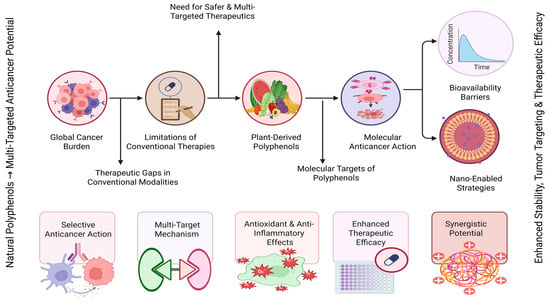
Cancer is still one of the world’s major causes of morbidity and mortality; thus, safer and more efficient treatment approaches are required. The structural variety, multitargeted mechanisms, and generally good safety profiles of plant-derived polyphenols have made them attractive anticancer medicines. Flavonoids (like quercetin), stilbenes (like resveratrol), phenolic acids and curcuminoids (like curcumin) are major classes that have shown strong anticancer action against a variety of cancers, including prostate, colorectal and breast cancers. Through targets including PI3K/Akt, MAPK, NF-κB, and p53 signaling networks, these substances influence important molecular pathways involved in tumor initiation and development, including oxidative stress, inflammation, apoptosis, cell cycle control, angiogenesis and metastasis. The clinical translation of polyphenols is still constrained by poor bioavailability, fast metabolism, low aqueous solubility and inefficient pharmacokinetic characteristics, which lead to insufficient systemic exposure and therapeutic efficacy despite strong preclinical data. Their therapeutic applicability is further complicated by variations in absorption and possible dose-related restrictions. To overcome these limitations, the anticancer efficacy of polyphenols has been enhanced via delivery technologies like polymeric nanoparticles, lipid-based carriers, nanoemulsions and phytosome complexes, which have shown improved stability, increased bioavailability and targeted delivery to tumor tissues. This review provides a comprehensive and integrative analysis of plant-derived polyphenols by linking molecular mechanisms, pharmacokinetic limitations and emerging delivery strategies within a translational framework. By bridging these interconnected domains, this review highlights the potential of polyphenols as viable candidates in next-generation cancer therapeutics and underscores the need for well-designed clinical studies to facilitate their successful integration into oncology practice. Full article
Show Figures
Image

Figure 1

23 pages, 1393 KB  
Review
Intensification of Extreme and Compound Hazards in Urban Areas Under Climate Change in Iran: A Scoping Review
by Niloofar Mohammadi and Raoof Mostafazadeh
Climate 2026, 14(6), 126; https://doi.org/10.3390/cli14060126 (registering DOI) - 13 Jun 2026
Abstract
Human-induced climate change has rendered urban areas highly vulnerable to extreme events such as heatwaves, droughts, and floods. This study conducts a scoping review of extreme and compound climate hazards in Iranian urban areas under global warming conditions. Mapping the available literature, 92 [...] Read more.
Human-induced climate change has rendered urban areas highly vulnerable to extreme events such as heatwaves, droughts, and floods. This study conducts a scoping review of extreme and compound climate hazards in Iranian urban areas under global warming conditions. Mapping the available literature, 92 authoritative scientific works published between 1999 and 2025 were analyzed. The review synthesizes evidence on the spatiotemporal patterns of heatwaves, drought, torrential rainfall, sea-level rise, and compound hazards across Iran. The results indicate that central, northwestern, eastern, and southern Iran experience the highest heatwave intensity and frequency, with short-duration heatwaves being more common than prolonged ones. Western Iran faces a high risk of torrential rainfall, but urbanization amplifies flood consequences by expanding impervious surfaces and accelerating surface runoff. Coastal areas show high vulnerability to compound flooding due to sea-level rise and storms. The review further reveals that Iran is experiencing hydroclimate whiplash (abrupt transitions between drought and flood) driven by global warming. The study concludes by presenting management suggestions and future research directions for integrated compound hazard management in Iran. Full article
Show Figures
Image

Figure 1

18 pages, 7949 KB  
Article
Lightweight Design of Blended-Wing-Body Underwater Glider Skeleton via Integrated Topology and Data-Driven Optimization
by Shengfa Wang, Chenxi Zhang, Jinglu Li and Zhilong Wang
J. Mar. Sci. Eng. 2026, 14(12), 1098; https://doi.org/10.3390/jmse14121098 (registering DOI) - 13 Jun 2026
Abstract
Lightweight design of the skeletal structure is a critical challenge in the development of Blended-Wing-Body Underwater Gliders (BWBUGs). However, existing studies often rely on empirically derived configurations for parameter optimization, which limits the potential to fully exploit structural performance. To address this issue, [...] Read more.
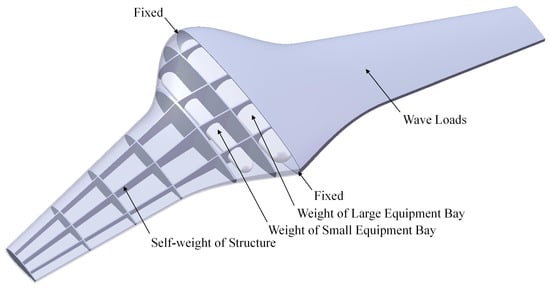
Lightweight design of the skeletal structure is a critical challenge in the development of Blended-Wing-Body Underwater Gliders (BWBUGs). However, existing studies often rely on empirically derived configurations for parameter optimization, which limits the potential to fully exploit structural performance. To address this issue, this paper proposes a design approach for BWBUG skeletal structures that integrates topology optimization with data-driven optimization, termed the TD-Method. Specifically, the TD-Method first applies topology optimization to identify load transfer paths within the BWBUG structure, thereby generating an initial configuration and a parameterized model for subsequent optimization. On this basis, data-driven optimization is employed to extensively explore the design space, enabling lightweight structural design under specified constraints. Finally, a comparative analysis with existing methods demonstrates that the TD-Method achieves superior skeletal structures with enhanced performance, confirming both the effectiveness and advantages. Full article
(This article belongs to the Special Issue Overall Design of Underwater Vehicles)
Show Figures
Image

Figure 1

77 pages, 1418 KB  
Systematic Review
Traditional Medicinal Plants Used for Cancer Treatment in Sub-Saharan Africa: A Systematic Review
by Tomi Lois Adetunji, Funsho Oyetunde-Joshua, Olalekan Bukunmi Ogunro, Olumayowa Andrew and Stephen O. Amoo
Plants 2026, 15(12), 1836; https://doi.org/10.3390/plants15121836 (registering DOI) - 13 Jun 2026
Abstract
Cancer represents one of the major public health issues in sub-Saharan Africa (SSA), with increasing incidence and mortality rates as a result of late diagnosis, limited healthcare infrastructure, and financial difficulties. Traditional medicine plays an important role in healthcare across different populations in [...] Read more.
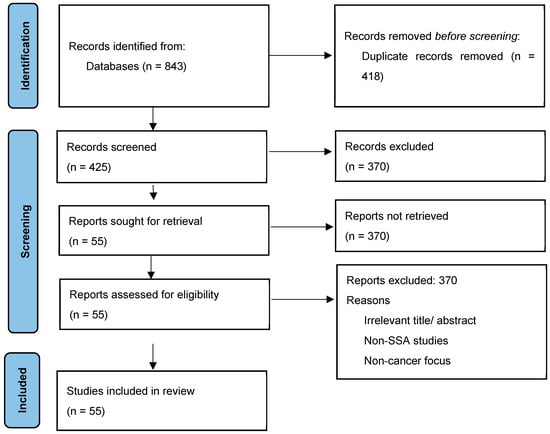
Cancer represents one of the major public health issues in sub-Saharan Africa (SSA), with increasing incidence and mortality rates as a result of late diagnosis, limited healthcare infrastructure, and financial difficulties. Traditional medicine plays an important role in healthcare across different populations in SSA, as more than 80% of the population depend on indigenous plant-based remedies for treating or managing different ailments, including cancer. This study aimed to document medicinal plants traditionally used to treat cancer in SSA. A systematic search of all documents available in the last two decades (2006–2026) was conducted using PubMed, Web of Science, and Google Scholar databases. After screening studies using the predefined inclusion and exclusion criteria, 55 studies met the eligibility requirements and were selected for analysis based on their relevance to the topic, geographic scope, and reported applications in cancer management. The scientific names of the identified plant species and their taxonomic authorities were verified using the Plants of the World Online database. A total of 556 species, belonging to 110 families, were recorded as medicinal plants used to treat various forms of cancer in SSA. The top five families with the most frequently used plants were Fabaceae (51 species), Asteraceae (34 species), Euphorbiaceae (25 species), Apocynaceae (22 species) and Lamiaceae (22 species). Frequently cited plants include Kigelia africana, Annona muricata, Adansonia digitata, Carica papaya, and Tamarindus indica. A total of 11 plant parts were documented, with leaves (41.20%), roots (18.75%), and bark (17.25%) being the dominant plant parts utilised. The primary methods of preparation were decoction (38.23%), powdering and grinding (14.51%), and infusion and tea preparation (49.73%), while the main modes of administration were oral (66.88%) and topical (26.46%). The results show that traditional medicinal plants hold significant potential as sources of novel anticancer drugs in SSA. However, a significant gap exists between ethnobotanical knowledge, laboratory research, and clinical application. Rigorous pharmacological and toxicity evaluations and well-designed clinical trials on the identified medicinal plants are needed to integrate effective and safe plant-based therapies into evidence-based oncology. Full article
(This article belongs to the Special Issue Plants as Sources of Natural and Recombinant Anti-Cancer Agents)
Show Figures
Image

Figure 1

29 pages, 8647 KB  
Article
Assessment of Injection Modeling Techniques for a Water Spray Using an Euler/Lagrange Approach
by Marwan Khaled, Martin Sommerfeld, Laurin Mächtig, Kai Alexander Schulz, Alexander Woitalka and Bernhard Weigand
Fluids 2026, 11(6), 150; https://doi.org/10.3390/fluids11060150 (registering DOI) - 13 Jun 2026
Abstract
In the context of aircraft engine technologies, sprays are used to inject water into the engine cycle to enhance efficiency and reduce emissions. Accurate specification of droplet injection boundary conditions is therefore essential for reliable numerical predictions. This study presents a numerical validation [...] Read more.
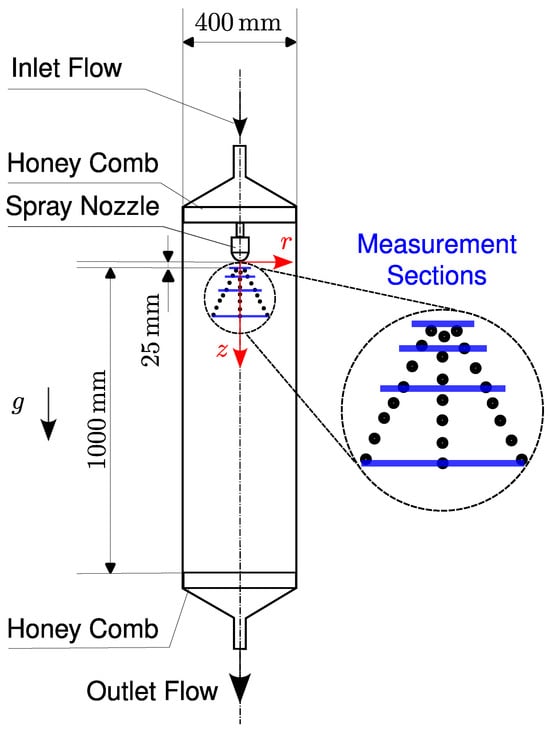
In the context of aircraft engine technologies, sprays are used to inject water into the engine cycle to enhance efficiency and reduce emissions. Accurate specification of droplet injection boundary conditions is therefore essential for reliable numerical predictions. This study presents a numerical validation of a water spray configuration previously characterized using phase Doppler anemometry. An Euler/Lagrange approach is applied to simulate the spray using two distinct injection strategies: an array of injector points (Case 1) and a solid-cone injector (Case 2). Numerical results are compared with experimental data to assess droplet size and velocity distributions. Both approaches capture the main spray characteristics, while Case 1 provides improved agreement due to a more accurate representation of the injection conditions. In addition, the influence of droplet–droplet collisions is investigated using different collision-regime maps. While the collision models lead to significantly different collision outcomes, only minor differences are observed in spray characteristics, with noticeable deviations occurring in the downstream region. Overall, the results demonstrate the importance of accurate injection modeling for reliable spray predictions, while simpler injection approaches remain viable with reduced accuracy. The influence of collision modeling is limited under the present conditions and for the investigated spray metrics, providing insight into its role and limitations in polydisperse sprays. Full article
(This article belongs to the Special Issue Computational Fluid Dynamics of Multiphase Systems)
Show Figures
Image

Figure 1

20 pages, 2518 KB  
Article
Genotoxic Potential of Metodesnitazene and Etodesnitazene: Insights with and Without S9 Metabolic Activation
by Francesca Rombolà, Dalila Maurizzi, Alessia Silla, Cristiana Caliceti, Sabrine Bilel, Patrizia Hrelia, Marco Malaguti, Monia Lenzi and Matteo Marti
Int. J. Mol. Sci. 2026, 27(12), 5360; https://doi.org/10.3390/ijms27125360 (registering DOI) - 13 Jun 2026
Abstract
The ongoing emergence of New Psychoactive Substances represents a growing threat to public health, as newly synthesized compounds continuously enter the illicit drug market, evading standard detection methods and challenging regulatory frameworks. Among New Psychoactive Substances, nitazenes are potent non-fentanyl opioids associated with [...] Read more.
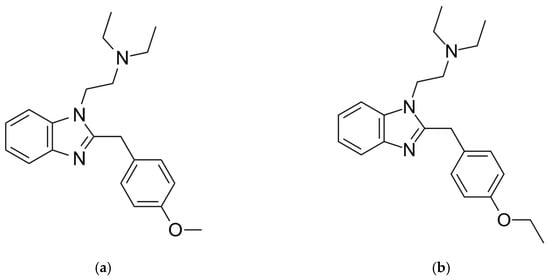
The ongoing emergence of New Psychoactive Substances represents a growing threat to public health, as newly synthesized compounds continuously enter the illicit drug market, evading standard detection methods and challenging regulatory frameworks. Among New Psychoactive Substances, nitazenes are potent non-fentanyl opioids associated with severe cases of intoxication. This study evaluated the genotoxic potential of metodesnitazene and etodesnitazene in the human TK6 cell line. Cells were exposed to increasing concentrations of studied compounds, with and without S9 metabolic activation system. Preliminary assessments and micronuclei frequency analyses were performed by flow cytometry in at least three independent experiments. Metodesnitazene induced an increase in micronuclei frequency starting from 12.5 μM (p < 0.05), whereas etodesnitazene induced an effect only at 50 μM. Metabolic activation increases micronuclei formation at higher concentrations of metodesnitazene 25 μM, but did not substantially affect the response to etodesnitazene. Both compounds also induced intracellular reactive oxygen species production, measured through a chemiluminescent-based bioassay, suggesting oxidative stress as a potential contributing mechanism. These findings highlight the need for compound-specific toxicological profiling to better anticipate the acute and long-term risks associated with nitazene consumption. Full article
(This article belongs to the Special Issue New Advances in Opioid Research)
Show Figures
Image

Figure 1

18 pages, 2368 KB  
Article
Long-Standing Activity with Characteristic Genomic Insertion Signatures in Reptilian Bov-B LINEs and Associated Sauria SINEs
by Yoshiki Nakatsuka and Kazuhiko Ohshima
Biology 2026, 15(12), 927; https://doi.org/10.3390/biology15120927 (registering DOI) - 13 Jun 2026
Abstract
Although long interspersed nuclear elements (LINEs) and short interspersed nuclear elements (SINEs) are typically passed down to descendants as part of the genome, the Bov-B LINE was likely horizontally transferred from a snake to the ancestor of ruminants. Plant RTE-clade LINEs and their [...] Read more.
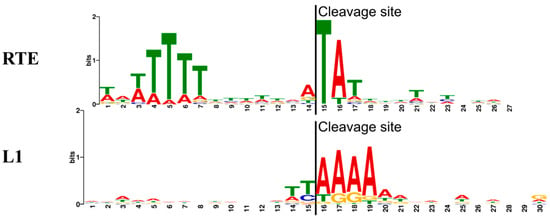
Although long interspersed nuclear elements (LINEs) and short interspersed nuclear elements (SINEs) are typically passed down to descendants as part of the genome, the Bov-B LINE was likely horizontally transferred from a snake to the ancestor of ruminants. Plant RTE-clade LINEs and their associated SINEs possess a genomic insertion signature different from that of mammalian L1 LINEs. However, the reason for the increased frequency of horizontal transfer in RTE-clade LINEs such as Bov-B relative to that in L1-clade LINEs has not yet been clarified. In this study, we identified family members of the reptilian Bov-B LINE and associated Sauria SINE across various squamate species to determine the amplification timing of the LINE. The findings revealed that the LINE may be over 180 million years old. Moreover, profiling of target site duplications showed that a characteristic genomic insertion signature of the LINE and SINE closely resembled the signature of the plant RTE-clade LINEs. We conducted phylogenetic analyses of RTE-clade LINEs with characteristic genomic insertion signatures and estimated their divergence times. The findings suggest an ancient origin (over 411 MYA) of the retrotranspositional mechanism underlying this signature; however, a complex evolutionary trajectory of LINEs across species warrants further investigation. Full article
(This article belongs to the Special Issue De Novo Detection of Transposons)
Show Figures
Image

Figure 1

14 pages, 1690 KB  
Article
Tailoring PLA-Based Composite Membranes with Ionic Liquids for Efficient H2/CO2 Separation in Reforming Processes
by Dionysios Vroulias, Athina Nikolopoulou, Theophilos Ioannides and Vassilios Dracopoulos
Materials 2026, 19(12), 2567; https://doi.org/10.3390/ma19122567 (registering DOI) - 13 Jun 2026
Abstract
Hydrogen (H2), produced from syngas and the Water–Gas Shift reaction, plays a vital role as both an energy carrier and an essential industrial feedstock. This preliminary study examines the effect of incorporating ionic liquids into PLA membranes for the separation of [...] Read more.
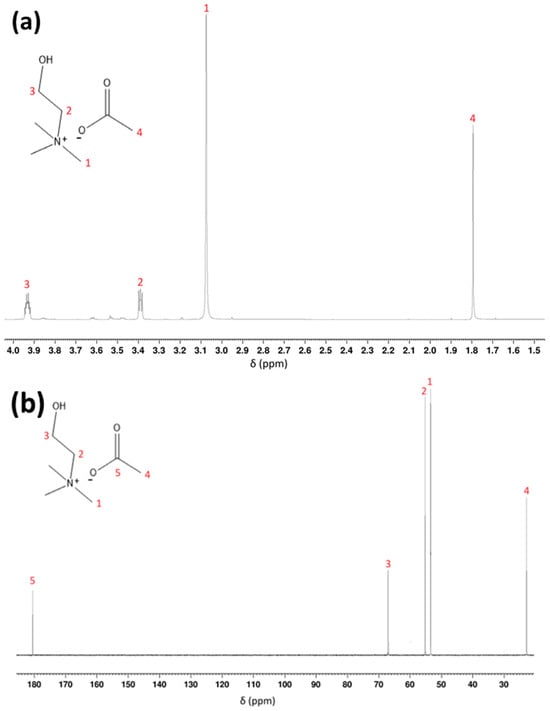
Hydrogen (H2), produced from syngas and the Water–Gas Shift reaction, plays a vital role as both an energy carrier and an essential industrial feedstock. This preliminary study examines the effect of incorporating ionic liquids into PLA membranes for the separation of hydrogen (H2) from carbon dioxide (CO2), aiming to provide a more energy-efficient alternative to the conventional Pressure Swing Adsorption process. Specifically, neat PLA and composite membranes containing cholinium-based ionic liquids at concentrations of 3% and 10% were fabricated. Their thermal properties and microstructural characteristics were systematically analyzed, alongside their gas separation performance. The most promising membrane was further evaluated under humid conditions to assess the impact of water presence. The PLA membrane incorporating 3% cholinium glycinate ionic liquid demonstrated the best performance, achieving a hydrogen permeability of 111 Barrer and an H2/CO2 selectivity of 8.2, surpassing the Robeson Upper Bound reported in 2008. However, the presence of water led to a decline in separation performance, indicating that effective water removal is necessary prior to membrane application in hydrogen purification. Full article
(This article belongs to the Special Issue Ionic Liquid-Based Materials: Fundamentals and Applications)
Show Figures
Image

Figure 1

24 pages, 3238 KB  
Article
A Novel Permeability Evolution Model for Gas Flow in Coal Seams
by Ruguo Dong, Yongli Liu and Lixin Li
Fuels 2026, 7(2), 39; https://doi.org/10.3390/fuels7020039 (registering DOI) - 13 Jun 2026
Abstract
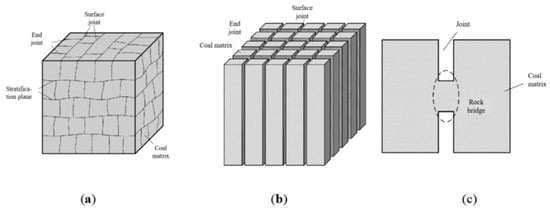
The permeability of coal seams plays a critical role in the efficiency of coalbed methane extraction and gas disaster prevention. Traditional permeability models often overlook the anisotropic and dynamic evolution characteristics of coal under varying stress and gas adsorption conditions. This paper proposes [...] Read more.
The permeability of coal seams plays a critical role in the efficiency of coalbed methane extraction and gas disaster prevention. Traditional permeability models often overlook the anisotropic and dynamic evolution characteristics of coal under varying stress and gas adsorption conditions. This paper proposes a novel permeability evolution model that integrates the effects of effective stress variation and gas sorption-induced deformation on coal permeability. Starting from the concept of face porosity and utilizing a representative voxel approach, the model incorporates the anisotropy of mechanical parameters and adsorption expansion strain to derive the evolution of permeability in three dimensions. The model is validated against experimental permeability data from two distinct coal samples (Sulcis and Sydney), demonstrating its ability to accurately capture permeability changes under different boundary conditions. Furthermore, the concept of “internal expansion strain coefficient” is introduced to quantify the impact of adsorption-induced matrix deformation on permeability. The model provides a theoretical foundation for predicting gas flow behavior in coal seams under complex in-situ conditions and offers significant insights into the optimization of gas extraction strategies. Full article
Show Figures
Image

Figure 1

22 pages, 15106 KB  
Article
Linkages Between Ecosystem Multifunctionality, Microbial Network and Carbon Metabolism During Mine Tailings Vegetation Succession
by Heng Liu, Feng Li, Xiaoshan Zhang, Keying Ma and Mingbao Liu
Sustainability 2026, 18(12), 6106; https://doi.org/10.3390/su18126106 (registering DOI) - 13 Jun 2026
Abstract
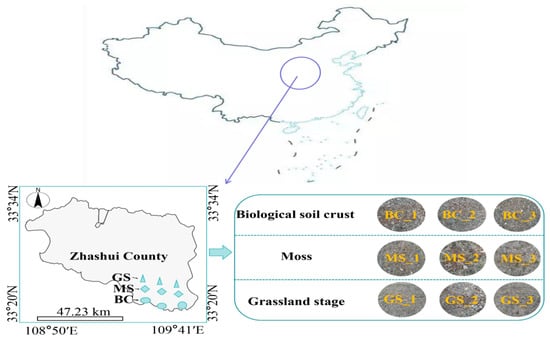
Tailings remediation alleviates ecosystem degradation and protects species. To conserve terrestrial biodiversity and address sustainability challenges while achieving economic growth, numerous researchers have devoted efforts to monitoring ecological functions and optimizing community structures. This study investigates the microbial characteristics and functional diversity across [...] Read more.
Tailings remediation alleviates ecosystem degradation and protects species. To conserve terrestrial biodiversity and address sustainability challenges while achieving economic growth, numerous researchers have devoted efforts to monitoring ecological functions and optimizing community structures. This study investigates the microbial characteristics and functional diversity across ecological succession stages of tailings. Selecting three typical restoration stages, including biological crust, moss, and grassland stages, we adopt 16S rRNA and ITS gene amplification, Illumina high-throughput sequencing, spectroscopy, and network correlation analysis to explore the responses of soil multifunctionality index, microbial communities, and carbon metabolism during tailings restoration. The experimental results indicate that the functional diversity index increases with ecological succession and is significantly correlated with the bacterial genera Rubrobacter and Arenimicrobium, whereas no significant correlation is observed with dominant fungi. The network interactions among bacterial communities are gradually strengthened along the succession process. In terms of carbon metabolic functions, the relative abundances of galactose, starch, and sucrose metabolism pathways increase obviously with restoration progression, while inositol phosphate metabolism, peroxisome metabolism, retinol metabolism, glyoxylate and dicarboxylate metabolism, and xenobiotics metabolism exhibit no significant variations. These findings provide novel empirical evidence for explaining microbe-mediated ecological succession in tailing ecosystems and highlight the necessity of multi-perspective analysis for ecological restoration. Policy and practical implications emphasize that the application of specific microorganisms and their interspecific interactions to promote iron tailings ecological restoration should fully consider the spatiotemporal heterogeneity of tailings areas. This study deepens the understanding of differential microbial responses at different tailings restoration stages and provides actionable insights for balancing mining economic development and terrestrial ecosystem conservation. Full article
Show Figures
Image

Figure 1

19 pages, 2751 KB  
Review
Phytochemical Composition and Bioactivity of Circaea lutetiana
by Gaukhar Tazhkenova, Togzhan Mashan, Zhanar Iskakova, Aizhan Zeinuldina, Bakhyt Igenbayeva, Raushan Baikanova, Akmaral Kozhantayeva and Yerbolat Tashenov
Molecules 2026, 31(12), 2085; https://doi.org/10.3390/molecules31122085 (registering DOI) - 13 Jun 2026
Abstract
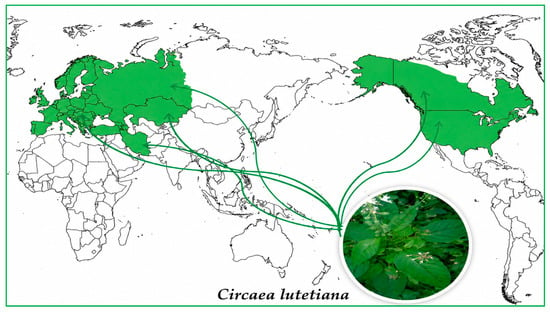
Circaea lutetiana (Onagraceae) is a perennial medicinal species widely distributed across temperate forest ecosystems of Europe, Asia, and North America. This mini-review integrates current knowledge on the botanical characteristics, ecological distribution, phytochemical composition, and biological properties of Circaea lutetiana, with [...] Read more.
Circaea lutetiana (Onagraceae) is a perennial medicinal species widely distributed across temperate forest ecosystems of Europe, Asia, and North America. This mini-review integrates current knowledge on the botanical characteristics, ecological distribution, phytochemical composition, and biological properties of Circaea lutetiana, with particular emphasis on its dominant polyphenolic constituents. Available studies demonstrate that the species is rich in flavonoids, phenolic acids, ellagic acid derivatives, and ellagitannins, among which oenothein B represents a characteristic and major constituent. Beyond polyphenols, structurally characterized glycosides, lipophilic metabolites, phytosterols, triterpenoids, fatty acids, tocopherols, and mineral elements contribute to the chemical complexity of the species. The reported biological activities of Circaea lutetiana, including antioxidant, anti-inflammatory, antihypertensive, and antimicrobial effects, are discussed in relation to the phytochemical profile of the plant and the biological significance of its major constituents. Recent research in green nanotechnology has additionally highlighted the potential of Circaea lutetiana extracts, particularly in the biosynthesis of silver nanoparticles, where plant metabolites act as reducing and stabilizing agents and may contribute to improved antimicrobial performance. Full article
Show Figures
Image

Figure 1

16 pages, 1087 KB  
Article
Age-Related Aesthetic Outcomes of Anterior Direct Composite Restorations: Color Match, Patient–Clinician Concordance, and Oral Health-Related Quality of Life
by Magda Mihaela Luca, Roxana Buzatu and Bogdan Andrei Bumbu
J. Clin. Med. 2026, 15(12), 4610; https://doi.org/10.3390/jcm15124610 (registering DOI) - 13 Jun 2026
Abstract
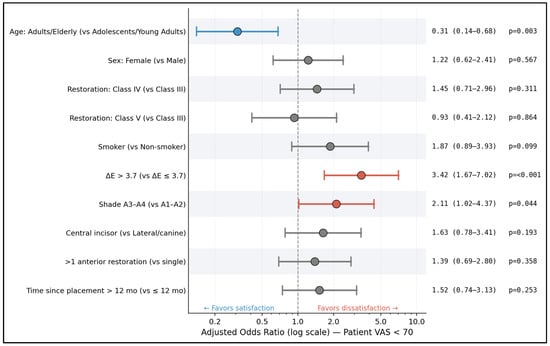
Background/Objectives: Anterior direct composite restorations are evaluated through instrumental color matching, clinician appraisal, and patient perception, but these endpoints may diverge by age. This cross-sectional study compared adolescents/young adults (AYA, 15–25 years) with adults/elderly (AE, 50–75 years) for spectrophotometric color difference (ΔE*ab), [...] Read more.
Background/Objectives: Anterior direct composite restorations are evaluated through instrumental color matching, clinician appraisal, and patient perception, but these endpoints may diverge by age. This cross-sectional study compared adolescents/young adults (AYA, 15–25 years) with adults/elderly (AE, 50–75 years) for spectrophotometric color difference (ΔE*ab), patient and clinician aesthetic ratings, patient–clinician agreement, and oral-health-related quality of life (OHRQoL). Methods: Consecutive recall patients with at least one anterior direct composite restoration placed ≥6 months earlier were screened; 128 were enrolled, and 126 completed all assessments (AYA n = 64; AE n = 62). Participants completed the OHIP-14 and aesthetic visual analogue scale (VAS) before receiving any USPHS, clinician VAS, or spectrophotometric feedback. A separate clinician, masked to patient scores and spectrophotometric outputs but not to patient age, recorded clinician VAS and modified USPHS criteria. Results: AE restorations showed higher ΔE*ab than AYA restorations (4.8 ± 1.6 vs. 3.2 ± 1.1; p < 0.001), whereas AYA reported lower patient VAS (72.4 ± 12.3 vs. 81.6 ± 10.8; p < 0.001) and higher OHIP-14 psychosocial burden (7.2 ± 2.8 vs. 4.0 ± 2.3; p < 0.001). Clinician VAS was higher in AYA (85.2 ± 7.3 vs. 79.4 ± 8.9; p < 0.001). Patient VAS correlated modestly with ΔE*ab (ρ = −0.38 in AYA; ρ = −0.31 in AE) and more strongly with psychosocial OHIP-14 scores (ρ = −0.54 and −0.47, respectively). Patient-clinician agreement was poor in AYA (ICC = 0.26) and moderate in AE (ICC = 0.58), with larger negative patient-minus-clinician discrepancies in AYA. Exploratory mediation statistically decomposed the age-related patient-satisfaction difference more through patient–clinician discrepancy than through ΔE*ab; causality cannot be inferred. Conclusions: Younger patients may experience dissatisfaction and psychosocial burden despite better instrumental color match. Assessment of anterior composites should combine objective shade measurement with patient-centered expectation clarification, and longitudinal studies should test temporal mechanisms and communication interventions. Full article
(This article belongs to the Special Issue Clinical Updates on Prosthodontics)
Show Figures
Image

Figure 1

28 pages, 3372 KB  
Article
Analysis of the Mechanisms and Heterogeneity of How Diversified Ecological Compensation Methods Affect the Livelihood Resilience of Rural Households in Sandy Areas
by Ming Guan and Qingfeng Bao
Sustainability 2026, 18(12), 6105; https://doi.org/10.3390/su18126105 (registering DOI) - 13 Jun 2026
Abstract
Ecologically fragile areas typically overlap with impoverished zones, rendering them susceptible to a vicious cycle of ecological degradation and poverty aggravation. Reasonable and diversified ecological compensation methods are closely associated with improved livelihood resilience among rural households in sandy areas. Building on this, [...] Read more.
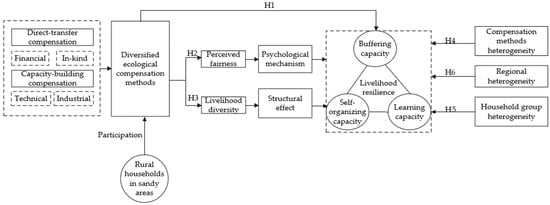
Ecologically fragile areas typically overlap with impoverished zones, rendering them susceptible to a vicious cycle of ecological degradation and poverty aggravation. Reasonable and diversified ecological compensation methods are closely associated with improved livelihood resilience among rural households in sandy areas. Building on this, we take three leagues and cities in Inner Mongolia with severe sandy desertification as the study area. OLS regression and mediating effect models are employed to examine the impact of diversified ecological compensation methods on the livelihood resilience of rural households in sandy areas, as well as the underlying mechanisms and heterogeneity. The results demonstrate that (1) diversified ecological compensation methods exert a significant positive effect on the livelihood resilience of rural households in sandy areas; (2) perceived fairness and livelihood diversity mediate the association between diversified ecological compensation methods and the livelihood resilience of rural households in sandy areas; (3) the effects of diversified ecological compensation methods on the livelihood resilience of rural households in sandy areas vary significantly across compensation modalities, beneficiary groups, and regions. Specifically, capacity-building compensation exerts a significantly stronger effect than direct-transfer compensation; poverty-alleviated households benefit more than general households; and the effects are significantly stronger in western Inner Mongolia than in eastern Inner Mongolia. Therefore, in optimizing ecological compensation policies in sandy areas, it is suggested to enhance the embedding depth of industrial and technical compensation, and to explore differentiated compensation pathways based on regional market capacity and household group characteristics, thereby promoting sustainable livelihood development for rural households in sandy areas. Full article
Show Figures
Image

Figure 1

16 pages, 2763 KB  
Case Report
Chung–Jansen Syndrome in a Young Woman with a PHIP Variant: Severe Obesity, Intellectual Disability, and Endocrine Abnormalities
by Francesco Donno, Federica Bianco, Roberta Schininà, Rita Selvatici, Giuseppina Stoico, Alessandra Ferlini, Alberto Gobbo, Maria Chiara Zatelli, Stefania Bigoni and Maria Rosaria Ambrosio
J. Clin. Med. 2026, 15(12), 4609; https://doi.org/10.3390/jcm15124609 (registering DOI) - 13 Jun 2026
Abstract
Background: Chung–Jansen syndrome (CHUJANS) is a rare autosomal dominant genetic condition caused by pathogenic variants in the PHIP gene, which encodes a protein involved in neurodevelopmental processes and IGF-1 signalling. The phenotype is characterised by variable degrees of intellectual disability, early-onset obesity or [...] Read more.
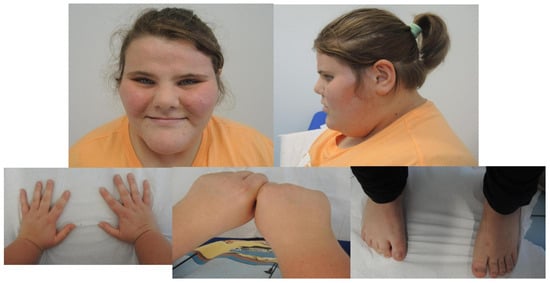
Background: Chung–Jansen syndrome (CHUJANS) is a rare autosomal dominant genetic condition caused by pathogenic variants in the PHIP gene, which encodes a protein involved in neurodevelopmental processes and IGF-1 signalling. The phenotype is characterised by variable degrees of intellectual disability, early-onset obesity or overweight, distinctive facial dysmorphisms, and behavioural disturbances. We here present a case of Chung–Jansen syndrome with a detailed endocrine work-up, highlighting the metabolic component of this syndrome. Case Presentation: We describe the case of a 21-year-old woman referred to our centre for evaluation of oligomenorrhea in the context of severe obesity (BMI 50.4 kg/m2), short stature (151 cm, <3rd percentile), and moderate-to-severe intellectual disability (full-scale IQ 38). Physical examination revealed dysmorphic features, including a round face, upslanting palpebral fissures, prominent zygomatic bones, anteverted nares, a prominent chin, and bilateral brachydactyly type E1. Laboratory investigations documented subclinical primary hypothyroidism of autoimmune origin, impaired glucose tolerance with associated hyperinsulinism, and polyendocrine metabolic ovarian syndrome (PMOS, previously known as PCOS). Exome analysis by next-generation sequencing (NGS) identified a heterozygous c.328C>T [p.(Arg110Cys)] variant in the PHIP gene, already reported in literature and classified as likely pathogenic (ACMG class 4). Segregation analysis in the mother (father was not available for the test) did not reveal the variant, suggesting a de novo origin in the patient. Concurrently, the same analysis revealed a variant of uncertain significance in the ANKRD17 gene, while array-CGH detected a maternally inherited microdeletion of uncertain significance on chromosome X (Xp11.23). Conclusions: This case confirms the association between the PHIP p.(Arg110Cys) variant and the phenotype of Chung–Jansen syndrome, providing a detailed characterisation of the endocrine and psychiatric comorbidities. Indeed, our report expands the knowledge on the endocrine phenotype providing further suggestion for personalised patient management. It underscores the importance of NGS in the diagnostic workup of syndromic obesity with intellectual disability, especially in the presence of negative family history and prior inconclusive genetic testing. This case suggests the inclusion of comprehensive endocrine evaluations in future studies on patients with Chung–Jansen syndrome, in order to support endocrine work-up and facilitate early identification and appropriate management of potentially treatable alterations. Full article
(This article belongs to the Special Issue Research Progress in Pediatric Endocrinology)
Show Figures
Image

Figure 1

15 pages, 10810 KB  
Article
The Pad Bench Press: A Descriptive Case Study of the Kinematics Behind an Extraordinary Exercise for Competitive Throwers
by Daniel Marcos-Frutos, Francisco J. Flores, Víctor Rubio, Amador García-Ramos and Marcos A. Soriano
Appl. Sci. 2026, 16(12), 6014; https://doi.org/10.3390/app16126014 (registering DOI) - 13 Jun 2026
Abstract
The Pad Bench Press (PBP) is a variation of the traditional bench press used by elite throwers to meet the mechanical demands of explosive upper-body actions in throwing events. The exercise involves a deliberately rapid eccentric phase, where the athlete allows the barbell [...] Read more.
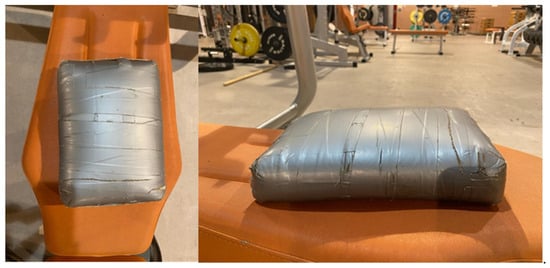
The Pad Bench Press (PBP) is a variation of the traditional bench press used by elite throwers to meet the mechanical demands of explosive upper-body actions in throwing events. The exercise involves a deliberately rapid eccentric phase, where the athlete allows the barbell to descend at high velocity, producing a rebound effect upon impact with the pad. This technique requires years of practice and is typically introduced early in an athlete’s development and refined progressively. The PBP is commonly used during maximal strength and power phases to provide a high-intensity, velocity-specific stimulus with heavy loads. This descriptive and exploratory case study presents a kinematic analysis of two internationally competitive Spanish shot putters, each with over 15 years of experience using the PBP. Barbell velocity data were obtained via 2D video analysis across multiple loads. The descriptive data indicate that, relative to the traditional bench press profiles reported in the literature, the PBP is associated with substantially stable peak velocities and markedly reduced sticking region, particularly at heavy loads. These findings provide a preliminary kinematic characterization of the PBP and suggest that it may offer a mechanically distinct stimulus compared to the traditional bench press, warranting further controlled investigation. Full article
(This article belongs to the Special Issue Neuromuscular Performance Analysis in Sports)
Show Figures
Image

Figure 1

32 pages, 8230 KB  
Article
Enabling Net-Zero Operations in Information Infrastructure: A Dynamic Regulatory Analysis Based on Evolutionary Game and System Dynamics
by Handong Tang, Dan Wang, Henry J. Liu and Jianfeng Zhao
Systems 2026, 14(6), 680; https://doi.org/10.3390/systems14060680 (registering DOI) - 13 Jun 2026
Abstract
Information infrastructure is essential for digital transformation and AI-enabled services, but its operation also involves high electricity consumption and carbon emissions. This study develops a tripartite evolutionary game model involving the government, information-infrastructure operators and the public, and integrates it with system dynamics [...] Read more.
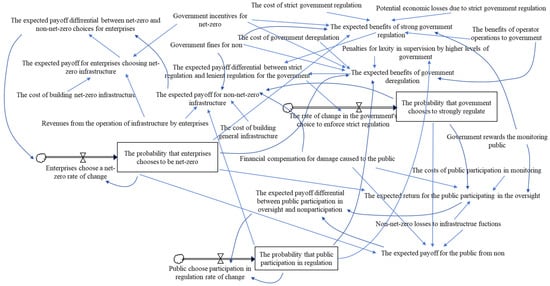
Information infrastructure is essential for digital transformation and AI-enabled services, but its operation also involves high electricity consumption and carbon emissions. This study develops a tripartite evolutionary game model involving the government, information-infrastructure operators and the public, and integrates it with system dynamics to examine how regulatory mechanisms influence operators’ net-zero behaviours. The model focuses on operational-stage information infrastructure. Initial parameters are calibrated using the 2023 China Statistical Yearbook on Resources and Environment and expert consultation, with key variables measured by operational revenue, net-zero costs, regulatory costs, incentives, penalties, public scrutiny costs and environmental losses. The results show that operators’ net-zero behaviours may fluctuate under weak or static regulation. Government incentives, penalties and public scrutiny can promote net-zero operations, while dynamic reward–penalty mechanisms are more effective in stabilising behavioural evolution. This study extends evolutionary game theory and system dynamics to the net-zero governance of information infrastructure and provides an adaptive regulatory framework for coordinating government regulation, operator behaviour and public participation. Full article
(This article belongs to the Special Issue Systems Thinking for Real-World Problem Solving)
Show Figures
Image

Figure 1

24 pages, 937 KB  
Review
Cereal-Based Functional Foods in Diabetes Management: Nutritional Quality, Glycemic Response, and Health Implications
by Aldona Sobota, Michał Sobota and Oliwia Krysiak
Appl. Sci. 2026, 16(12), 6015; https://doi.org/10.3390/app16126015 (registering DOI) - 13 Jun 2026
Abstract
This paper analyzes the role of cereal products in the diet of individuals with disorders of carbohydrate metabolism, with particular emphasis on their impact on postprandial glycemia and the risk of developing type 2 diabetes (T2D). Cereal products, as the main source of [...] Read more.
This paper analyzes the role of cereal products in the diet of individuals with disorders of carbohydrate metabolism, with particular emphasis on their impact on postprandial glycemia and the risk of developing type 2 diabetes (T2D). Cereal products, as the main source of dietary carbohydrates, also provide dietary fiber, minerals, B vitamins, and key bioactive compounds such as β-glucans, arabinoxylans, resistant starch (RS), and polyphenols. These components may reduce the rate of starch digestion and glucose absorption in the small intestine by increasing the viscosity of intestinal contents or by directly inhibiting digestive enzymes such as α-glucosidase. It has been shown that fermentation of these compounds by the gut microbiota leads to the production of short-chain fatty acids (SCFAs), which improve insulin sensitivity and stimulate the secretion of incretin hormones such as GLP-1. A literature review confirms that regular consumption of whole-grain products is associated with a reduced risk of T2D, whereas refining processes and excessive grain fragmentation lead to an increased glycemic index of products. Based on clinical guidelines and a narrative synthesis of the available literature, minimally processed whole-grain products were identified as a fundamental component of dietary therapy for diabetes, which is illustrated by the cereal product pyramid presented in the paper. This review involved a comprehensive literature search in PubMed, Scopus, and Web of Science using relevant keywords. Peer-reviewed articles, reviews, and meta-analyses (mainly 2000–2025) were included based on their relevance. Full article
(This article belongs to the Special Issue New Advances in Functional Foods and Nutraceuticals: 2nd Edition)
13 pages, 1476 KB  
Review
Translational Entropy-Driven Competitive and Additive Effects on DNA Higher-Order Structure via Ion Exchange Between Cations of Different Valencies
by Takahiro Kenmotsu, Haruto Ogawa, Takashi Nishio and Kenichi Yoshikawa
Entropy 2026, 28(6), 686; https://doi.org/10.3390/e28060686 (registering DOI) - 13 Jun 2026
Abstract
DNA conformational transitions in aqueous environments are strongly influenced by electrostatic interactions with surrounding cations. This review/perspective article summarizes the experimental findings reported during the last decade on the competitive/cooperative effects of cations with different valencies on DNA conformational behavior. Recent experimental studies [...] Read more.
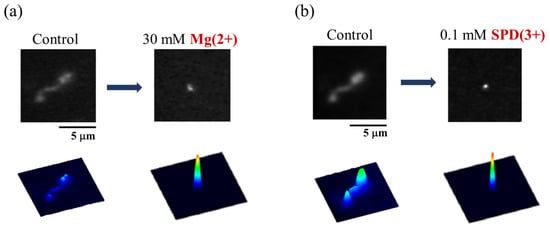
DNA conformational transitions in aqueous environments are strongly influenced by electrostatic interactions with surrounding cations. This review/perspective article summarizes the experimental findings reported during the last decade on the competitive/cooperative effects of cations with different valencies on DNA conformational behavior. Recent experimental studies based on single DNA observations have shown that divalent cations, such as Mg(2+) and Ca(2+), can inhibit DNA compaction induced by the trivalent cation spermidine (SPD(3+)), revealing that the effects of coexisting cations are not simply additive. Such competitive behavior cannot be adequately explained within the conventional Debye–Hückel framework, which predicts always additive electrostatic screening contributions from cations of different valencies. To elucidate the underlying mechanism of competitive effects, a theoretical framework has been proposed by extending the framework of current counterion condensation theory, which incorporates changes in translational entropy arising from the ion-exchange process between monovalent counterions and divalent or trivalent cations interacting with DNA as a highly negatively charged polyelectrolyte. In the theoretical framework, the increase in translational entropy arises from the ion exchange process between monovalent counterions and trivalent cations in the absence of divalent cations, whereas the presence of divalent cations diminishes the entropic gain associated with this exchange. By interpreting the recent experimental findings through the aid of the development of theoretical modeling, this review/perspective article provides a coherent insight on how coexisting multiple cations regulate DNA conformation. Full article
(This article belongs to the Special Issue Insight into Entropy)
Show Figures
Image

Figure 1

18 pages, 2308 KB  
Article
Tempered Enthusiasm: Consumer Perceptions of Autonomous Delivery Services
by Leon Booth, John Nelson, Yuting Zhang, Charles Karl, Anna Anund and Simone Pettigrew
Sustainability 2026, 18(12), 6104; https://doi.org/10.3390/su18126104 (registering DOI) - 13 Jun 2026
Abstract
The rapid growth of online shopping has increased demand for home deliveries, leading to sustainability issues and logistical challenges such as labour shortages and congestion. Autonomous delivery vehicles, including drones, street robots, autonomous vans, and mobile vending machines, are emerging as potential solutions. [...] Read more.
The rapid growth of online shopping has increased demand for home deliveries, leading to sustainability issues and logistical challenges such as labour shortages and congestion. Autonomous delivery vehicles, including drones, street robots, autonomous vans, and mobile vending machines, are emerging as potential solutions. Understanding consumers’ perceptions of these technologies is critical for sustainable implementation. This exploratory study aimed to examine consumer reactions to emerging autonomous delivery services, providing insights into how consumers may respond to autonomous delivery systems encompassing multiple vehicle modes and the resulting policy implications. Eight online focus groups (n = 55) were conducted with a diverse range of participants to examine community attitudes to autonomous delivery services. Participants were shown videos depicting various autonomous delivery methods to foster informed responses. Thematic analysis of the transcripts identified recurring themes relating to participants’ preferences, concerns, and expectations. While participants had some concerns, they were largely receptive to using autonomous delivery services. Positive reactions centred around: (i) convenience, (ii) cost reductions, and (iii) novelty. Identified concerns included: (i) job losses, (ii) practical limitations of the delivery devices, (iii) degradation of urban environments, and (iv) facilitation of unhealthy lifestyles. Overall, the results suggest autonomous delivery systems have the potential to be popular, and proactive government policies are thus likely to be needed to ensure they are implemented in a manner that aligns with community expectations and minimises any negative sustainability outcomes. Full article
20 pages, 1374 KB  
Review
Cirsium arvense (L.) Scop.: Phytochemistry, Traditional Uses, Pharmacological Activities, and Future Therapeutic Potential
by Kairat S. Zhakipbekov, Murat Z. Ashirov, Galiya Z. Umurzakhova, Elmira N. Kapsalyamova, Azhar Y. Omirbayeva, Farida E. Kayupova, Klara Z. Zhumalina, Aigul G. Ibragimova, Elmira A. Serikbayeva, Ardak B. Bakytzhanova and Amina D. Farkhatova
Plants 2026, 15(12), 1835; https://doi.org/10.3390/plants15121835 (registering DOI) - 13 Jun 2026
Abstract
Cirsium arvense (L.) Scop is a perennial plant of the family Asteraceae that is mainly distributed in the temperate regions of the Northern Hemisphere. Despite being widely recognized as an invasive weed in agriculture, most of the scientific evidence shows its significant phytochemical [...] Read more.
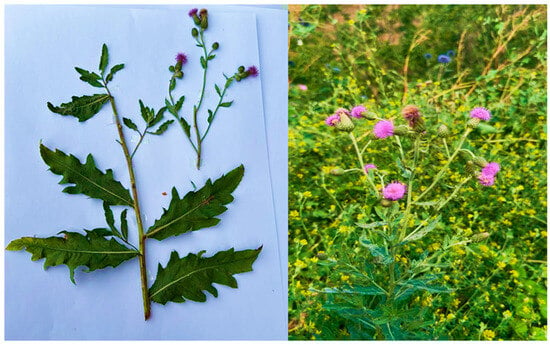
Cirsium arvense (L.) Scop is a perennial plant of the family Asteraceae that is mainly distributed in the temperate regions of the Northern Hemisphere. Despite being widely recognized as an invasive weed in agriculture, most of the scientific evidence shows its significant phytochemical and pharmacological importance. In the present review article, a comprehensive summary of the available literature on C. arvense’s botanical properties, phytochemical composition, biological activities, standardization potential, and future therapeutic prospects has been carefully provided. This plant has been used traditionally for the treatment of inflammation, infections, bleeding disorders, and liver-related disorders. Phytochemical investigations showed the presence of many bioactive compounds such as flavonoids, phenolic acids, triterpenes, sterols, tannins, glycosides, and volatile compounds. Among the reported biological activities, antioxidants and antimicrobial properties are the most studied activities. In addition, anticancer, antidiabetic, neuroprotective, anti-inflammatory, and antiproliferative activities have also been investigated. The environmental adaptability, rapid growth, and extensive root system of C. arvense highlight its potential for development as a sustainable medicinal and industrial crop. However, there are critical research gaps present in phytochemical standardization, toxicity assessment, pharmacokinetics, and clinical validation, warranting further comprehensive studies. Full article
Show Figures
Image

Figure 1

41 pages, 8156 KB  
Review
All-Solid-State Lithium–Sulfur Batteries: Recent Progress, Challenges, and Perspectives
by Yoonha Hwang, Yeo Jin An, Soohyun Sim, Changhoon Choi and Minjeong Shin
Materials 2026, 19(12), 2565; https://doi.org/10.3390/ma19122565 (registering DOI) - 13 Jun 2026
Abstract
All-solid-state lithium–sulfur batteries (ASSLSBs) couple the high theoretical energy density of sulfur (2600 Wh kg−1) with the safety and polysulfide-shuttle suppression advantages of solid electrolytes (SEs). In practice, however, sluggish solid-state conversion kinetics, chemo-mechanical degradation in composite cathodes, and large solid–solid [...] Read more.
All-solid-state lithium–sulfur batteries (ASSLSBs) couple the high theoretical energy density of sulfur (2600 Wh kg−1) with the safety and polysulfide-shuttle suppression advantages of solid electrolytes (SEs). In practice, however, sluggish solid-state conversion kinetics, chemo-mechanical degradation in composite cathodes, and large solid–solid interfacial resistance remain the principal barriers to practical implementation. This review systematically examines recent progress across the three key components of ASSLSBs: cathodes, solid electrolytes, and interfaces. For cathodes, S/C composite design strategies and alternative active materials—including Li2S, metal sulfides, and organosulfur compounds—are discussed. For solid electrolytes, inorganic (sulfide, oxide, halide, and hydride), polymer, and hybrid composite systems are compared. For interfaces, physical strategies (stack pressure, compliant interlayers, three-dimensional cathode architectures) and chemical strategies (cathode–SE and Li metal–SE interphase engineering, in situ stabilization) are evaluated. Outstanding challenges and design guidelines for next-generation ASSLSBs are discussed. Full article
(This article belongs to the Special Issue Next-Generation Materials for Energy Storage)
19 pages, 9536 KB  
Article
Membrane Access and Orbital Localization Govern ABC Transporter Substrate Recognition
by Saad Harrizi, Imane Nait Irahal, Kaouthar El Birgui and Mostafa Kabine
Molecules 2026, 31(12), 2084; https://doi.org/10.3390/molecules31122084 (registering DOI) - 13 Jun 2026
Abstract
The ATP-binding cassette transport protein Pdr5p is known to play a role in multidrug resistance in Saccharomyces cerevisiae by effluxing structurally diverse xenobiotics; yet the physicochemical determinants of substrate recognition remain poorly defined. To address this, density functional theory (DFT) calculations at the [...] Read more.
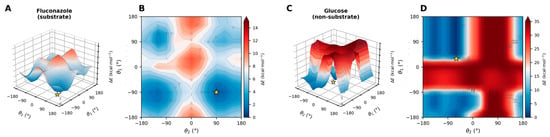
The ATP-binding cassette transport protein Pdr5p is known to play a role in multidrug resistance in Saccharomyces cerevisiae by effluxing structurally diverse xenobiotics; yet the physicochemical determinants of substrate recognition remain poorly defined. To address this, density functional theory (DFT) calculations at the B3LYP-D3BJ/def2-SVP level were combined with machine learning to derive a predictive model of substrate recognition using a curated dataset of 66 compounds spanning 9 functional categories. A hybrid support vector machine (SVM) classifier achieved 96.3% accuracy (95% CI: 81.0–99.9%, Clopper–Pearson exact) in discriminating substrates from non-substrates under leave-one-out cross-validation. Feature importance analysis identified lipophilicity (LogP, F-score = 37.5) as the dominant descriptor, suggesting that membrane partitioning constitutes the initial recognition step. The HOMO–LUMO gap contributed secondarily (F-score = 12.4). Substrates were further distinguished by high frontier orbital focalization, with frontier orbital spread of 1.8–2.6%, compared to 4.18–7.22% for non-substrates. Notably, a model trained exclusively on Pdr5p data achieved 87% prediction accuracy when applied without retraining to the human P-glycoprotein (ABCB1) dataset, suggesting conserved physicochemical principles of substrate recognition across evolutionarily distant ABC transporters. These findings provide a quantum chemical framework for understanding and potentially predicting MDR transporter substrate specificity. Full article
(This article belongs to the Section Computational and Theoretical Chemistry)
Show Figures
Image

Figure 1

25 pages, 43907 KB  
Article
Mechanistic Study on the Internal Thermodynamic Response of a Liquid Hydrogen Tank Under Support Thermal Bridge-Induced Non-Uniform Heat Input
by Hui Lv, Hua Ding, Jianhao Song and Chaoyang Hao
Processes 2026, 14(12), 1940; https://doi.org/10.3390/pr14121940 (registering DOI) - 13 Jun 2026
Abstract
Support structures in liquid hydrogen tanks act as localized thermal bridges between the ambient temperature outer vessel and the cryogenic inner vessel. However, the difference between support thermal bridge-induced localized heat input and equivalent uniform heat input remains insufficiently clarified, especially regarding their [...] Read more.
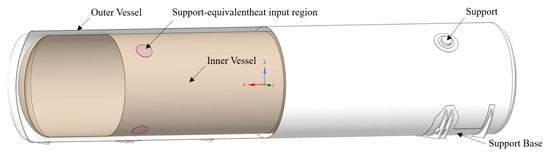
Support structures in liquid hydrogen tanks act as localized thermal bridges between the ambient temperature outer vessel and the cryogenic inner vessel. However, the difference between support thermal bridge-induced localized heat input and equivalent uniform heat input remains insufficiently clarified, especially regarding their effects on local thermal behavior and support position-dependent thermodynamic response. In this study, a gas–liquid two-phase CFD model was developed for a 37.4 m3 liquid hydrogen tank at a 50% filling ratio. Localized heat flux regions were used to represent support thermal bridges, and an equivalent uniform heat input case with the same total heat input was introduced for comparison. The results show that localized support heat input concentrates the high-temperature region near the support-corresponding wall area and induces stronger local natural convection with a maximum velocity of approximately 0.27 m/s, compared to approximately 0.14 m/s in the uniform heat input case. The uniform heat input case produces a slightly higher overall gas-phase pressure, but it cannot capture the local heat accumulation and flow field reconstruction caused by support thermal bridges. Circumferential support position variation mainly affects the relative position between the localized heat source, gas region, liquid region, and gas–liquid interface. Upper support position variation has a more pronounced influence on local peak temperature and flow intensity than lower support variation. Axial support position variation mainly shifts the local high-temperature and high-velocity regions along the tank length, while its influence on overall pressure response is limited. These results indicate that equivalent uniform heat input can approximate the overall pressurization trend, but localized support heat input boundaries should be retained when local temperature fields, flow structures, and support layout effects are of concern. Full article
(This article belongs to the Topic Advances in Hydrogen Energy)
Show Figures
Image

Figure 1

13 pages, 375 KB  
Article
C-Reactive Protein–Albumin–Lymphocyte Index and the Modified Glasgow Prognostic Score as Predictors of Early Mortality After Palliative Percutaneous Transhepatic Biliary Drainage in Malignant Biliary Obstruction
by Hatice Ayyıldız Sevim, Kadriye Bir Yücel, Galip Can Uyar and Hayriye Şahinli
J. Clin. Med. 2026, 15(12), 4608; https://doi.org/10.3390/jcm15124608 (registering DOI) - 13 Jun 2026
Abstract
Background: Biliary drainage is a key component of palliative management in patients with malignant biliary obstruction. In cases where endoscopic approaches are unsuccessful or cannot be performed, percutaneous transhepatic biliary drainage (PTBD) represents an established alternative for achieving biliary decompression. The C-reactive [...] Read more.
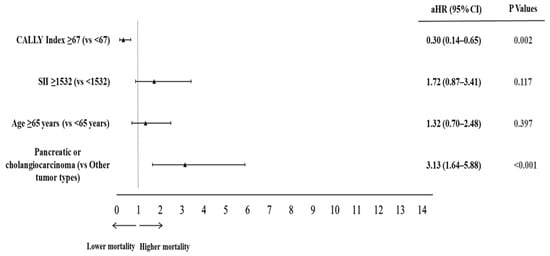
Background: Biliary drainage is a key component of palliative management in patients with malignant biliary obstruction. In cases where endoscopic approaches are unsuccessful or cannot be performed, percutaneous transhepatic biliary drainage (PTBD) represents an established alternative for achieving biliary decompression. The C-reactive protein–albumin–lymphocyte (CALLY) index combines inflammatory, nutritional, and immune-related parameters into a single marker, while the modified Glasgow Prognostic Score (mGPS), based on C-reactive protein and albumin concentrations, reflects the systemic inflammatory status of the patient. This study aimed to evaluate the prognostic value of the preprocedural CALLY index and mGPS in predicting 30-day mortality among patients with advanced malignant biliary obstruction undergoing palliative PTBD. Methods: This single-center retrospective study was conducted in a total of 179 patients who underwent palliative PTBD for malignant biliary obstruction at Ankara Etlik City Hospital between December 2022 and June 2025. Results: The 30-day mortality rate was 25.1%. The cut-off value for CALLY was determined as 67 based on receiver operating characteristic (ROC) curve analysis, and mGPS was categorized as 0–1 versus 2. In univariable Cox regression analyses, pancreaticobiliary tumor type, mGPS = 2, and CALLY < 67 were associated with early mortality. In multivariable Cox analysis, CALLY ≥ 67 was independently associated with a reduced risk of 30-day mortality, whereas pancreaticobiliary tumor type was independently associated with an increased risk. In the CALLY–mGPS risk stratification, 30-day mortality rates were 8.0%, 13.5%, and 44.1% in the low-, intermediate-, and high-risk groups, respectively. Conclusions: In this retrospective cohort, preprocedural inflammation- and nutrition-based markers were found to be associated with early mortality in patients with malignant biliary obstruction undergoing PTBD. Accordingly, risk stratification using readily available parameters such as CALLY and mGPS appears feasible in the preprocedural setting. The CALLY–mGPS-based approach may provide a practical framework for clinical risk assessment; however, prospective multicenter validation, including tumor-specific subgroup analyses, is warranted. Full article
(This article belongs to the Section Oncology)
Show Figures
Image

Figure 1

36 pages, 4054 KB  
Article
Multifunctional Curcumin-Inspired 3,5-Diarylidene-4-Piperidones: Design, Synthesis, Biological Evaluation and Computational Mechanistic Studies
by Angel K. Nkosi, Adel S. Girgis, Ahmed Samir, Mohamed A. Morsy, Amira M. Shaban, Walid Fayad, Ahmed A. F. Soliman, Christine T. Williams, Shogo Mori, Leena Khanna, Guido F. Verbeck and Siva S. Panda
Pharmaceuticals 2026, 19(6), 935; https://doi.org/10.3390/ph19060935 (registering DOI) - 13 Jun 2026
Abstract
Background/Objectives: Antimicrobial resistance and bacterial persistence underscore the need to develop new chemotypes with multifunctional antibacterial mechanisms. This study aimed to design, synthesize, and evaluate curcumin-inspired 3,5-diarylidene-4-piperidones as versatile small molecules exhibiting antibacterial, antibiofilm, anti-efflux, DNA gyrase-inhibitory, and antiproliferative properties. Methods: A targeted [...] Read more.
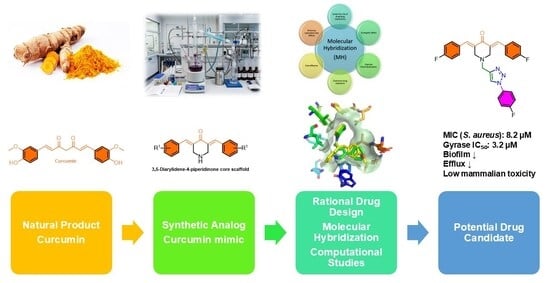
Background/Objectives: Antimicrobial resistance and bacterial persistence underscore the need to develop new chemotypes with multifunctional antibacterial mechanisms. This study aimed to design, synthesize, and evaluate curcumin-inspired 3,5-diarylidene-4-piperidones as versatile small molecules exhibiting antibacterial, antibiofilm, anti-efflux, DNA gyrase-inhibitory, and antiproliferative properties. Methods: A targeted series of triazole-conjugated 3,5-diarylidene-4-piperidones was synthesized through copper-catalyzed azide-alkyne cycloaddition click chemistry and subsequently characterized using standard spectroscopic techniques. The compounds were assessed for antibacterial activity against Staphylococcus aureus, Enterococcus faecalis, and Escherichia coli. Selected active compounds underwent further evaluation for DNA gyrase inhibition, antibiofilm activity against multidrug-resistant S. aureus ATCC 33591, ethidium bromide accumulation, and antiproliferative effects on HCT116 and MCF7 cancer cells, with RPE1 cells serving as a control to evaluate cytotoxicity in normal cells. Additionally, computational studies, including QSAR analysis and molecular docking, were conducted to bolster structure–activity relationships and provide mechanistic insights. Results: Several derivatives demonstrated selective antibacterial activity against Gram-positive bacteria, particularly S. aureus, while exhibiting limited or no efficacy against E. coli. Compounds 7n and 7l emerged as the most potent against S. aureus, with minimum inhibitory concentrations (MICs) of 7.8 and 8.2 μM, respectively. Notably, compound 7l inhibited S. aureus DNA gyrase supercoiling, displaying an IC50 of 3.20 μM, comparable to ciprofloxacin. Compound 7e exhibited the strongest antibiofilm activity against multidrug-resistant S. aureus, whereas compound 7a resulted in the highest accumulation of ethidium bromide, indicating robust anti-efflux activity. Antiproliferative assays revealed that select halogenated derivatives were effective against HCT116 and MCF7 cells, while the most promising antibacterial compounds exhibited minimal cytotoxicity toward RPE1 cells. Quantitative structure–activity relationship (QSAR) and docking studies supported the observed structure–activity relationships and suggested potential interactions with the ATPase binding site of DNA gyrase B. Conclusions: Triazole-conjugated 3,5-diarylidene-4-piperidones are promising multifunctional scaffolds with selective anti-S. aureus activity, antibiofilm and anti-efflux properties, and, for compound 7l, potent DNA gyrase inhibition. These findings support further optimization of this chemotype as a platform for developing antibacterial agents with polymechanistic activity. Full article
(This article belongs to the Special Issue Antimicrobial and Anticancer Scaffolds in Medicinal Chemistry)
Show Figures
Image

Graphical abstract

19 pages, 939 KB  
Article
Systematic Evaluation of Signal Peptide-Driven Protein Secretion in the Fast-Growing Cyanobacterium Synechococcus sp. PCC 11901
by José Ángel Moreno-Cabezuelo, Allanah Booth, Da Lin, Kiran Gathani, David S. Kim and Uma Shankar Sagaram
Biomolecules 2026, 16(6), 870; https://doi.org/10.3390/biom16060870 (registering DOI) - 13 Jun 2026
Abstract
The fast-growing cyanobacterium Synechococcus sp. PCC 11901 is emerging as a promising chassis for photosynthetic biomanufacturing. Here we report recombinant protein production in PCC 11901 via signal peptide-mediated secretion, enabling direct recovery of target proteins from the culture medium without cell disruption. Seven [...] Read more.
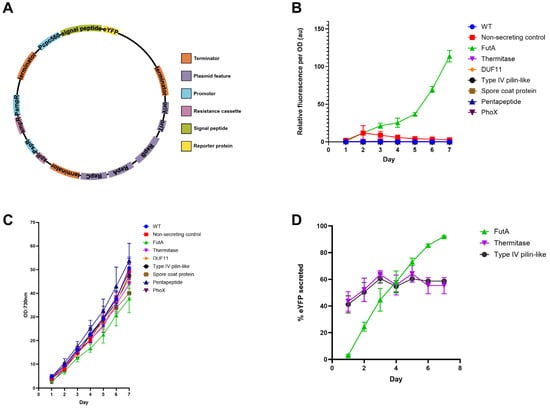
The fast-growing cyanobacterium Synechococcus sp. PCC 11901 is emerging as a promising chassis for photosynthetic biomanufacturing. Here we report recombinant protein production in PCC 11901 via signal peptide-mediated secretion, enabling direct recovery of target proteins from the culture medium without cell disruption. Seven signal peptides spanning both Sec and Tat pathways are screened using eYFP as a reporter, with secretion quantified daily over seven days by fluorescence measurements. FutA, belonging to the Tat pathway from Synechocystis sp. PCC 6803, achieves 92.2% extracellular export by day 7, substantially outperforming all Sec candidates, including the best Sec signal peptide thermitase from Cyanobacterium aponinum PCC 10605 (55.7%). Signal peptide-bearing strains exhibit growth reductions of up to 26% relative to the wild-type, with FutA most affected, indicating a general metabolic cost correlated with secretion efficiency. The best-performing signal peptides from both pathways, FutA and thermitase, are validated with secretion of lichenase. Notably, the rank order of signal peptide performance is reversed for lichenase: thermitase demonstrates 2.6-fold higher extracellular activity than FutA, indicating that optimal signal peptide selection is cargo-dependent. These results establish PCC 11901 as a secretion-competent chassis and provide a rational framework for matching signal peptide pathways to target protein properties. Full article
(This article belongs to the Section Biomacromolecules: Proteins, Nucleic Acids and Carbohydrates)
Show Figures
Image

Figure 1

Open Access Journals

Browse by Indexing Browse by Subject Selected Journals
Back to TopTop