


PlayStation has finally made a decision that I hoped it would not fully commit to. Sony Interactive Entertainment helped popularize Blu-ray discs, and for years, that gave me a little bit of hope that PlayStation would continue supporting physical media on its consoles in some form.
Even when PlayStation released an all-digital console, it still offered a disc drive add-on. That mattered because it gave players a way to keep using their physical games. Computers are mostly digital now too, since disc drives no longer come pre-installed in most towers, but PC users still have options. You can buy an external reader for CDs, DVDs, and sometimes Blu-rays. Mine has helped me watch movies and TV shows on the go, and even rip ISOs from my disc-based video games.
All that is to say, yes, computers are mostly digital now. But because there are so many companies making parts, storefronts, accessories, and other physical doodads, PC users still have choices.
That is the part that keeps bothering me about PlayStation’s future. Recently, PlayStation put out an announcement about stopping all disc production services in 2028. This does not outright confirm what the PlayStation 6 will be, but it makes an all-digital future feel more likely than ever. If there is no disc drive, and no supported way to read older PlayStation discs, then physical collectors could be left behind even if their games would otherwise work on similar hardware.
That matters because PlayStation 4 and PlayStation 5 games should not just become useless because the next box decides it no longer wants to read discs. The issue is not that digital games exist. I own plenty of digital games, and I enjoy the convenience. The issue is digital becoming the only option.
Once that happens, PlayStation is no longer just selling you games. It controls where you buy them, when they go on sale, how long they stay available, and whether your older library has a future on whatever console comes next.
That is the part that sucks. This is not about being afraid of the future. It is about watching one of the biggest console makers in the world take away a choice that players have had for decades.
I also understand why PlayStation is making this move. Ever since the PlayStation 5 Slim and PlayStation 5 Pro were released, PlayStation has been pushing players further toward digital purchases. I suppose that happens when you make the disc drive, the thing required to play physical games, optional. According to Sony’s FY2025 financial results, digital downloads made up 85% of PS4 and PS5 full-game software sales in Q4 FY2025, while the full fiscal year landed at 78%.
Those numbers matter, but they do not tell the whole story. A digital sale is easy for Sony to track. A used disc bought from GameStop, eBay, a local game shop, or borrowed from a friend is not. That means the people most affected by this decision may also be the people least visible in Sony’s data.
That is why looking at this as “only 15% of sales are physical” feels too simple. Physical games do more than show up as new sales on a spreadsheet. They feed the used market, support collectors, keep local shops alive, give parents cheaper buying options, and let players take chances on games they might not buy at full digital price.
One of the core reasons to stick with PlayStation is the library you have built by staying with them for so long. If you have a PlayStation 4 disc, you can pop it into your PlayStation 5, and it plays with no problem. The PlayStation 4 was also the console that brought many people into the ecosystem, whether they were moving away from the Xbox 360 or coming over from the PlayStation 3.
Thanks to the PlayStation 3, Sony decided to axe a lot of the backwards compatibility systems it had in place because they were too expensive for the average consumer. So the PlayStation 4 became a new start, built to play strong new games instead of leaning on the past.
Later in the Xbox One’s lifespan, Xbox leadership discovered a market Sony was not really catering to: backwards compatibility. Microsoft added an emulator to the Xbox One, which allowed players to play a portion of their old library on the newer console. At the time, PlayStation was trying to serve that same market with streaming.
PlayStation Now let you play PlayStation 3 games on PlayStation 4 or PC, but it was a terrible system for playing your old games, in my opinion. It was not really your old games. It was just old games in general, chosen from a select list. Xbox’s system was also a select list, but it let you play games straight from the disc as long as the console had the backwards compatibility update. That made it feel more personal.
That is the bigger point here. PlayStation 4 catered to new users, while Xbox One eventually catered to older Xbox players who still cared about their libraries. Xbox One lost the console war, but it amassed a loyal fanbase. If you ask me, perhaps too loyal a fanbase.
This new announcement feels like another case of PlayStation catering to a new audience instead of the audience that has stuck by them. A big reason PlayStation 4 won the console war is that Sony’s leadership team focused on discs, sharing games, and selling your old games. Xbox One’s original plan put less emphasis on disc-based games and even had checks in place that would have limited selling your old games entirely.
You were forced to keep games tied to your console, even if you did not like them. Luckily, the backlash Xbox One received was enough for Microsoft not to go through with that idea. That concept, though, was one of the reasons PlayStation 4 was so widely accepted. It gave owners a choice in how they bought and played their games.
The first time I remember PlayStation not standing by those who cared about physical media was the announcement of the God of War: Ragnarok Collector’s Edition. It had a lot of awesome goodies, like Mjölnir and a really cool steel case, but instead of a disc, you got a digital code.
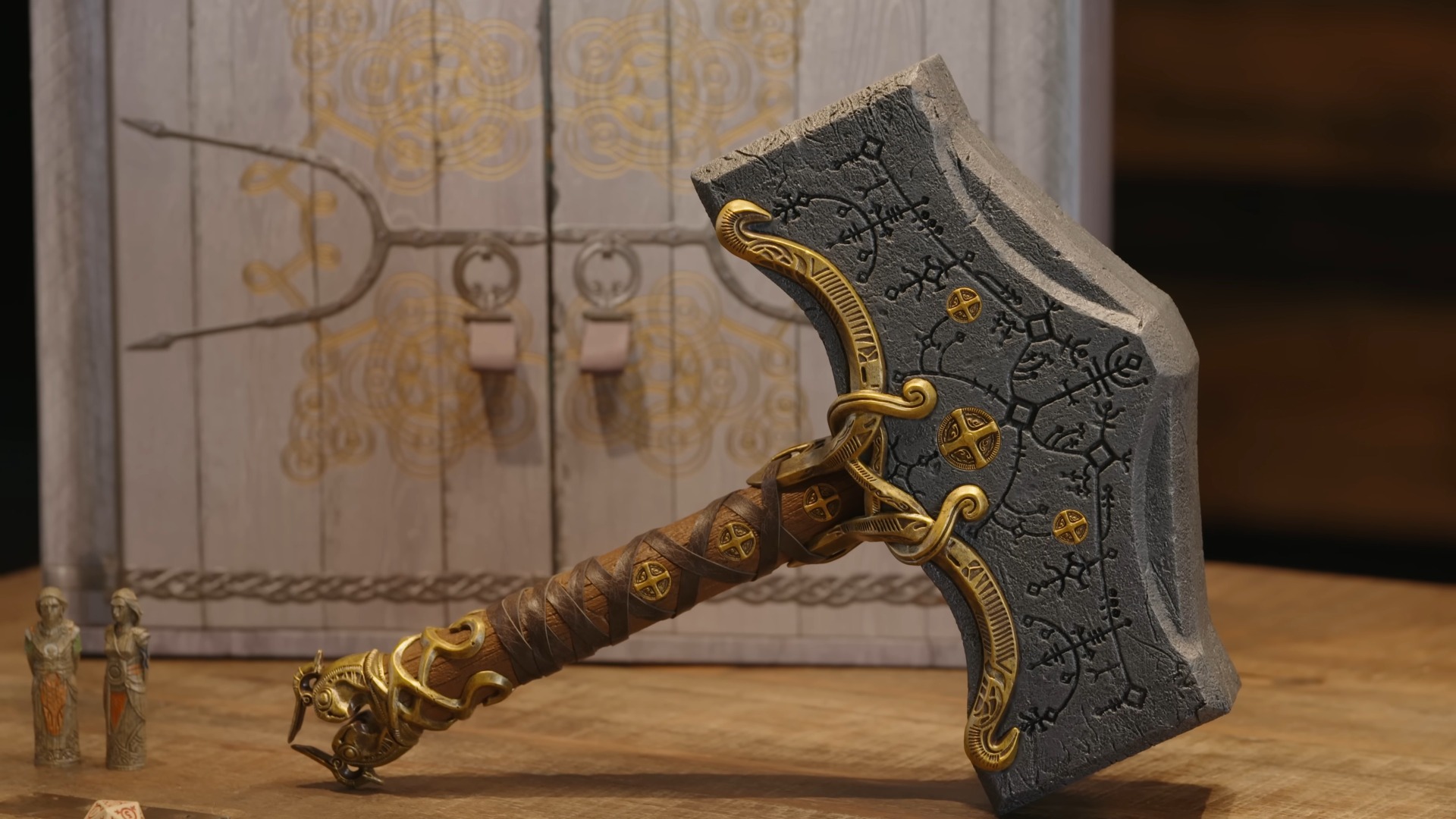
When pressed on it, there was a reasonable answer about not wanting PlayStation 5 digital owners to miss out on the collector’s edition. But the standard edition came with a disc, so many physical enthusiasts had to buy the game twice: once for the goodies and steel case, and again to get the version that actually had a disc. They could also skip the Collector’s Edition altogether.
All of this is to say that, yes, I know this is where PlayStation was heading. I was just hoping they were not going to head there fully.
The Problem Is Control
The console gaming space, at least for PlayStation and Xbox, has only waned in recent years. More players are moving to PC or out of the medium entirely. This announcement may only affect a smaller part of the current PlayStation audience if you go by sales numbers, but it also isolates console users even further from future gamers.
This is where console gaming becomes different from PC gaming. People will point to Steam and say, “PC has been mostly digital for years, and everyone is fine.” That is true to a point, but PC gaming is not locked to one storefront in the same way PlayStation is. On PC, you have Steam, GOG, Epic Games Store, Humble Bundle, Fanatical, Green Man Gaming, itch.io, publisher stores, key shops, and a wider range of hardware options. You can shop around. You can compare prices. You can buy from different places and still play on the same machine. While on PlayStation consoles, the storefront is PlayStation.
That is the center of the ecosystem. If a game is too expensive digitally, you wait for PlayStation to put it on sale. If a game gets buried by the algorithm, you may never see it. If a game gets delisted, your options shrink. If a publisher decides not to keep supporting something, preservation gets harder. That is the part that makes this feel less like convenience and more like control. Digital is great when it gives players more ways to buy and play games. It becomes a problem when it removes every other path.
Used Games And Discovery Are Going To Take A Hit
This also does not account for players who do not buy games every year, or players who buy from the second-hand market, which will not be part of the data PlayStation sees. Physical games have a second-hand market that lets gamers sell their previous games to used game shops or on eBay. That market is going to vanish for new PlayStation games once this change goes into effect.
Used game shops and game shops in general are going to be left with old games, retro titles, and Nintendo Switch 2 titles. Nobody is going to discover a game they have not heard of on a store shelf if the store can no longer get physical PlayStation games.
“But the digital storefront,” I hear some people saying. Sure, you can find random games on the PlayStation Store, but that storefront is curated by PlayStation itself. It is not going to show you games you have never seen before just for the sake of discovery. It will show you games it thinks you are likely to buy, thanks to your digital library and the algorithm tied to your account.
Most digital storefronts are built to put games in front of you that are more likely to make you spend money. That usually means popular games get more popular, while smaller or stranger games get pushed further down. PC storefronts avoid this problem a little better because of key shops. When you look at key shops online, they generally do not throw an algorithm in front of you immediately, since you do not have to log in just to browse.
Essentially, this reduces the space even further and pushes physical media enthusiasts away. Some of those players buy games on console because they have the option to play on disc or digitally. Removing that choice cuts off another portion of an already shrinking console gaming audience. It is not a good idea to keep cutting off minority shares of gamers, especially in a medium already losing user share to mobile gaming and PC gaming.
Prices Are Going To Be Whatever PlayStation Says They Are
Another big problem is one you have likely experienced with Nintendo: lack of digital sales. PlayStation has gotten better about running storefront sales, but without a physical second-hand market, the only party that gets to dictate the value of a game is PlayStation on its own store.
One thing I always joked about in the past is how if a game gets on Game Pass, the physical version usually plummets in price, making it the perfect time to buy. When Persona 3 Reload went to Game Pass, you could buy the physical Xbox version for around $20. Physical games are impacted by subscription services because demand drops when players can spend a portion of the price to play the full game for a month.
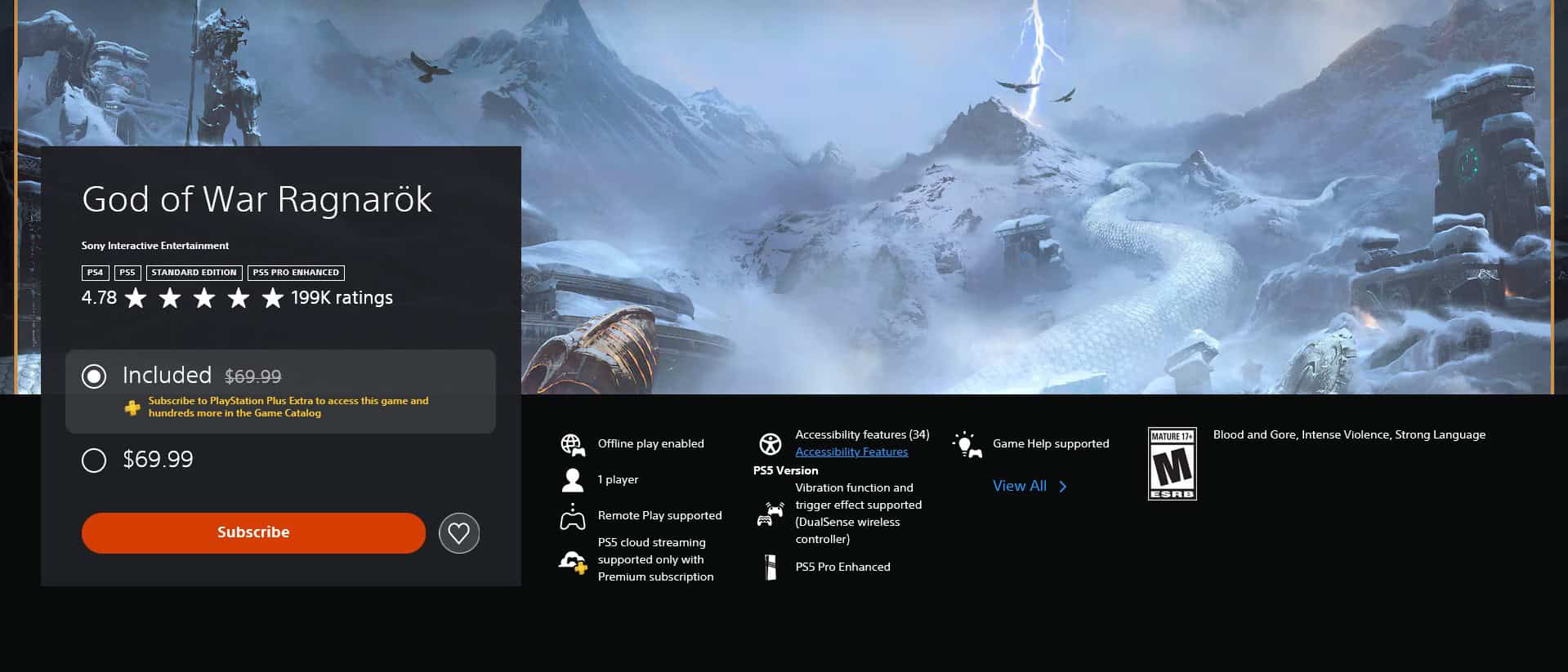
The same thing followed PlayStation when it started adding games to PlayStation Plus. The price for God of War: Ragnarok dropped to around $25 physically once it was added to the subscription service, while the digital price remained the same. Digital storefronts only lower prices when the platform decides to run a sale. Steam has sales constantly, so games are frequently cheap to buy.
PlayStation has more sales than it used to, but when it comes to first-party IP, it tends to hold those prices close to its chest.
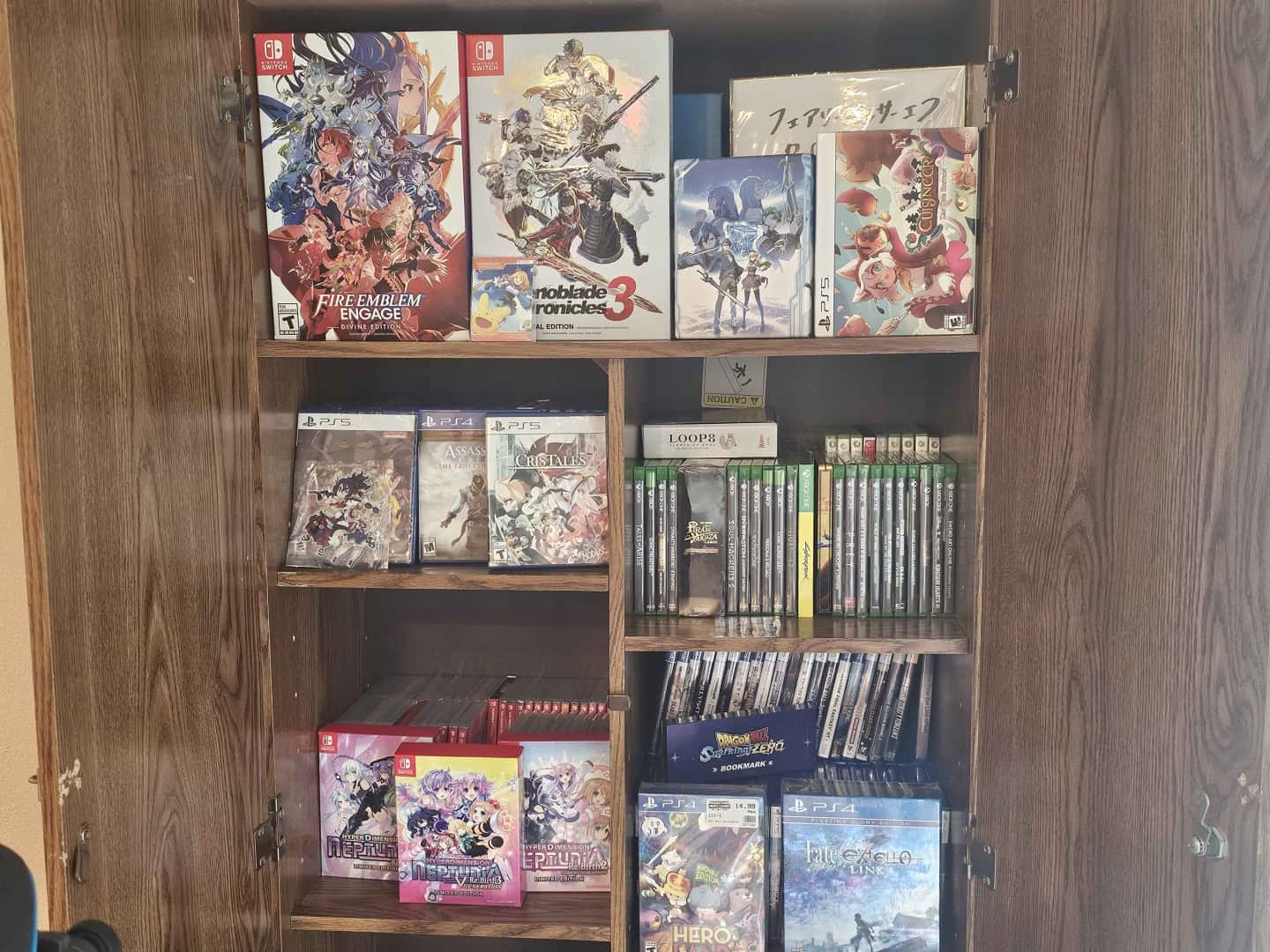
The consumer is not the only one who loses out here. There are more companies focused on getting and selling physical games these days, including VGP Video Games and one of my favorites, VGNYSoft Games. If the next PlayStation console does not have the option of a physical drive, even companies that press their own discs will have a much harder time surviving.
What PlayStation Should Do Instead
I do not want to spiral into a void of chaos from this announcement. Part of me does, but it is not useful in the long term. We need to have a plan as consumers if we want the all-digital future to be an option rather than a requirement.
Yes, you can cancel your PlayStation Plus subscription or demote yourself to a lower tier if you are a Premium member. I would recommend something else, though: buy more physical games while you still can. If data is all PlayStation can see, then help them see that the physical buyer still exists. If they lose physical sales, they may lose a much bigger portion of their user base than expected.
But this cannot just be on the players. If PlayStation wants an all-digital future, then it needs to make that future better for the people being forced into it. Give players a real disc-to-digital conversion option for their PS4 and PS5 libraries. Keep retail involved through digital code sales, not just PlayStation Store purchases. Make stronger promises about backwards compatibility, access, preservation, and long-term downloads.
More importantly, do not pretend that “choice” still exists if every path leads back to the same storefront.
I hate this. Being forced into a digital future sucks. I like the convenience of digital. I like being able to play my digital library on the PlayStation Portal. I like not needing to change a disc every time I want to play something else. That is a convenience I wish I had the choice of pursuing, not one that is forced onto me.
I do not hate digital as a future. I hate it as the only future. Digital is not the enemy; the lack of choice is. I love my physical library, and I love finding deals at GameStop or a mom-and-pop shop down the street. I like the benefits of stores fighting for my dollar, rather than one store never needing to fight at all.
I want options. I want to feel like I have agency over what game I buy and what medium I buy it in. Without options, the world becomes less colorful. I know about fewer games. I have to doomscroll through pages of popular releases before getting to the interesting games I might want to try because they are different.
Please do not let that be the future. An all-digital future is not bad by itself, but if it is all we have, then it is not a future I want.

