
Overview[]
The process of fossilization after the death of a lifeform is exceedingly rare and requires highly specific environmental conditions to occur. Geological outcroppings in which a significant quantity of fossils is naturally preserved in the rocks are of great value for paleontological research. These sites are typically named after the area in which they are found, and can sometimes represent several fossiliferous layers of different ages. Strictly speaking, each layer represents a single distinct formation.
Prehistoric Kingdom has a variety of formations available to the player. Each dig site represents a diverse ecosystem of animals or paleoflora that time has left behind, but can be dug up and resurrected in your parks. Each dig site is accessible through the Excavations menu. In the menu, you can unlock each dig site via ingame payment and a required star rating. You can see a preview of the animals available in the formation by hovering over its icon.
After unlocking a formation, you can purchase any animal from the region. Subsequently, you can purchase additional genetic skins which become cheaper the more you acquire. Some genera that have alternate species, such as Edmontosaurus and Torvosaurus, are found across multiple locations, while others (like Triceratops and Camarasaurus) have all of their species located at the same formation.
List of Dig Sites Currently In Game[]
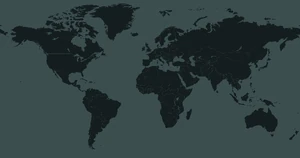
| Icon | Key |
|---|---|

|
Paleozoic Formations |

|
Mesozoic Formations |

|
Cenozoic Formations |
North American Dig sites[]
| Formation | Epoch | Description | Animals |
|---|---|---|---|
| Arroyo Formation
|
Early Permian | Sometimes called the "Lower Clear Fork Formation", the Arroyo formation is located in Texas, and preserves fossils from the Kungurian Stage of the Permian Period. | Diplocaulus magnicornis |
| Chinle Formation
|
Late Triassic | An extremely prolific Triassic deposit found across most of the North American southwest, the Chinle Formation preserves a time when evolution went wild. | Coelophysis bauri |
| Cloverly Formation
|
Early Cretaceous | An Early Cretaceous deposit of floodplain environments, rich in vertebrate fauna including many dinosaurs. | Acrocanthosaurus atokensis |
| Dinosaur Park Formation
|
Late Cretaceous | A Late Cretaceous formation located in Canada's province of Alberta. Within its temperate and coastal forests, an assortment of hardy animals roamed. | Lambeosaurus lambei, Parasaurolophus walkeri, Styracosaurus albertensis |
| Fram Formation
|
Late Devonian | A Late Devonian formation located on Ellesmere Island in Canada that formed some 375 million years ago, at a time when the North American craton ("Laurentia") was straddling the equator. | Tiktaalik rosae |
| Hell Creek Formation
|
Late Cretaceous | Possibly the most famous formation, Hell Creek preserves the subtropical and coastal forests of Late Cretaceous North America. Some of the most iconic dinosaurs of all time are found here, but also a variety of smaller reptiles and mammals, as well as an abundance of plant fossils, painting a picture of a thriving ecosystem right before the end of the Mesozoic era. | Ankylosaurus magniventris, Edmontosaurus annectens, Pachycephalosaurus spinifer/wyomingensis, Triceratops horridus/prorsus, Tyrannosaurus rex |
| Horseshoe Canyon Formation
|
Late Cretaceous | The oldest and most well known of the Edmonton Group, the Horseshoe Canyon Formation provides a look at the varied assemblage of animals that once roamed these floodplains and swamps. | Edmontosaurus regalis, Pachyrhinosaurus canadensis |
| Kaiparowits Formation
|
Late Cretaceous | Believed to represent a dense jungle river system, the Kaiparowits Formation is incredibly rich in fossils, providing a glimpse into a biome notorious for its hostility toward preservation. | Nasutoceratops titusi, Parasaurolophus cyrtocristatus |
| Kayenta Formation
|
Early Jurassic | Along with the Chinle Formation, the Kayenta Formation constitutes many famous areas of the Colorado Plateau; when it was deposited, the area would have been a low-lying desert with a slow moving system of rivers and ponds. | Dilophosaurus wetherilli |
| La Brea Tar Pits
|
Pleistocene | A popular tourist spot within the American city of Los Angeles, the La Brea Tar Pits is a crucial and highly diverse formation with a wide variety of animals that spent their last moments enveloped in tar. | Panthera atrox, Smilodon fatalis |
| Morrison Formation
|
Late Jurassic | A well-known and extensively researched Late Jurassic formation located across a vast stretch of the center of the United States, the seasonal savannas of the Morrison Formation contained some of the world’s most popular dinosaurs. | Allosaurus anax/fragilis/jimmadseni, Apatosaurus ajax, Brachiosaurus altithorax, Brontosaurus excelsus, Camarasaurus grandis/lentus/supremus, Dryosaurus altus, Stegosaurus stenops/ungulatus, Torvosaurus tanneri |
| Prince Creek Formation
|
Late Cretaceous | A Late Cretaceous boreal formation located in Northern Alaska. This frosty locale was one of the coldest during the Mesozoic, but would seem mild compared to the landscape today. | Edmontosaurus regalis, Pachyrhinosaurus perotorum, Ugrunaaluk kuukpikensis |
| Wapiti Formation
|
Late Cretaceous | A coastal floodplain that was home to many dinosaur species, but due to limited surface exposure, not many fossils can be recovered. | Pachyrhinosaurus lakustai |
South American Dig sites[]
| Formation | Epoch | Description | Animals |
|---|---|---|---|
| Cerrejón Formation
|
Paleocene | The Cerrejón Formation is located in Colombia and is renowned for the Titanoboa. Due to its large reserves of coal, the formation is also used in mining. Based on its fossil content and the stratigraphy of the formation, the Cerrejón Formation was likely formed on a coastal plain, covered in a wet tropical rainforest and incised by a large river system. | Titanoboa cerrejonensis |
| Collón Curá Formation
|
Miocene | This formation represents a hot and humid environment rich in rivers and lakes. The mammal fauna of the Collón Curá Formation led researchers to establish the Colloncuran age, ranging from 15.5 to 13.8 Ma. Notable fossils include the Terror Bird Kelenken guillermoi and the ungulate Astrapotherium guillei. While the genus Peltephilus is also found in these rocks, the ingame species P. ferox is technically from the older Santa Cruz Formation. | Peltephilus ferox |
| Huincul Formation
|
Late Cretaceous | An arid sandstone formation within the center of Argentina, the Huincul Formation's dry tropical fields were the cradle for titans. | Argentinosaurus huinculensis |
| Luján Formation
|
Pleistocene | Home to the famous saber-toothed tigers of South America, the swampy flood plains of the Luján Formation was a paradise for mammals. | Smilodon populator |
European Dig sites[]
| Formation | Epoch | Description | Animals |
|---|---|---|---|
| Altmühltal Formation
(also known as Solnhofen Limestone) |
Late Jurassic | The Altmühltal Formation is a Jurassic Konservat-Lagerstätte that preserves a rare assemblage of fossilized organisms, including highly detailed imprints of soft bodied organisms such as sea jellies. The most familiar fossils of the Altmühltal Formation include the early bird Archaeopteryx preserved in such detail that they are among the most famous and most beautiful fossils in the world. | Archaeopteryx lithographica, Compsognathus longipes |
| Charmouth Mudstone Formation
|
Early Jurassic | A marine deposit where dinosaurs are quite rare, the Charmouth Mudstone Formation played an important role in early paleontological history, being frequented by renowned fossil collectors including Mary Anning. | Scelidosaurus harrisonii |
| Lourinhã Formation
|
Late Jurassic | Known for its faunal overlap with the Morrison and Tendaguru Formations, the coastal Lourinhã Formation is very rich in fossils, footprints, and eggs. | Allosaurus europaeus, Stegosaurus ungulatus, Torvosaurus gurneyi |
| Löwenstein Formation
|
Late Triassic | This formation records a seasonally dry playa vulnerable to wildfires, and underlies the similar Trossingen Formation. | Plateosaurus gracilis |
| Tokod Formation
|
Pleistocene | A representative digsite for the massive mammoth steppe, a biome which once covered the land from Europe to Alaska. Home to famous and shaggy megafauna, fed by a dry but quite productive landscape of grasses and wildflowers. | Coelodonta antiquitatis, Mammuthus primigenius, Megaloceros giganteus, Panthera spelaea, Ursus spelaeus |
| Trossingen Formation
|
Late Triassic | A muddy estuarine area, where a heavy monsoon fed lush vegetation but also caused devastating floods. Rich in archosaur fossils of all sorts. | Plateosaurus trossingensis |
| Wessex Formation
|
Early Cretaceous | A historically significant formation, having been the site where the original dinosaurs were discovered, the rainy Wessex Formation was once a pristine Mediterranean scrubland. | Iguanodon bernissartensis, Baryonyx walkeri |
African Dig sites[]
| Formation | Epoch | Description | Animals |
|---|---|---|---|
| Abrahamskraal Formation
|
Late Permian | The Abrahamskraal Formation is found in numerous localities in the Northern Cape, Western Cape, and the Eastern Cape of South Africa. | Diictodon feliceps |
| Elrhaz Formation
|
Early Cretaceous | Vast river systems once flowed over the Elrhaz Formation, providing refuge to many species of dinosaurs and crocodyliformes. | Ouranosaurus nigeriensis |
| Kem Kem Group
|
Late Cretaceous | Home to many enigmatic species, the ancient arid floodplains of the Kem Kem group have been revealing their secrets. | Carcharodontosaurus saharicus, Spinosaurus aegyptiacus |
| Maevarano Formation
|
Late Cretaceous | A seasonally dry sandy river plain inhabited by a charismatic fauna, including giant frogs and snakes, herbivorous crocodiles and strange dinosaurs. | Sahonachelys mailakavava, Simosuchus clarki |
Asian Dig sites[]
| Formation | Epoch | Description | Animals |
|---|---|---|---|
| Chitarwata Formation
|
Oligocene | Estuaries and tidal flats dominated the Chitarwata Formation and many animals took advantage of these conditions as the Indian subcontinent continued to close the Tethys Ocean and give rise to the Himalayas. | Paraceratherium bugtiense |
| Djadochta Formation
|
Late Cretaceous | An arid desert environment even into the modern day, the Flaming Cliffs within the Gobi Desert preserved one of the most famous feuds in natural history. | Oviraptor philoceratops, Protoceratops andrewsi, Velociraptor mongoliensis |
| Dushihin Formation
|
Early Cretaceous | Interpreted as an ancient lake, the Dushihin Formation records the nesting sites of many different dinosaur species. | Psittacosaurus mongoliensis |
| Hsanda Gol Formation
|
Oligocene | Having been excavated for a century, the Hsanda Gol formation has yielded a wealth of information about Oligocene Mongolia and the animals that lived in its arid environment. | Paraceratherium transouralicum |
| Ilek Formation
|
Early Cretaceous | Large and understudied, more research is required to better understand the animals and environment of the Ilek Formation. | Psittacosaurus sibiricus |
| Jiufotang Formation
|
Early Cretaceous | The Jehol Biota was a lake dominated temperate forest ecosystem with periodical volcanic eruptions that preserved the entire ecosystem in the exquisite Lagerstätte of the Jiufotang Formation and its sister site, the Yixian Formation. | Microraptor gui, Psittacosaurus mongoliensis |
| Kozhamzhar Formation
|
Pleistocene | (N/A) | Elasmotherium sibiricum, Mammuthus primigenius |
| Liushu Formation
|
Miocene | As this silty and homogeneous formation records, the spread of dry-adapted grasses created here a productive habitat for familiar yet strange megaherbivores. | Sinotherium lagrelii |
| Nemegt Formation
|
Late Cretaceous | One of the most studied formations of Asia, the Nemegt Formation perseveres a time when southern Mongolia had forested lakes and rivers, a contrast to its generally arid history. | Deinocheirus mirificus, Gallimimus bullatus, Mononykus olecranus, Tarbosaurus bataar |
| Shara Murun Formation
|
Eocene | In this lush subtropical formation browsed an animal that would give rise to true giants in later, more open environments. | Juxia sharamurenensis |
| Tiaojishan Formation
|
Late Jurassic | Volcanic ash immaculately preserved this formation's flora of ginkgos, conifers, cycads, bennettites and ferns, as well as its diverse vertebrate and invertebrate fauna. | Yi qi |
| Vilyuy River
|
Pleistocene | The site of the first documented partial remains of a woolly rhinoceros; the Vivyuy River still flows strong though eastern Siberia. | Coelodonta antiquitatis |
| Yamal Peninsula
|
Pleistocene | The Yamal Peninsula (located in northwestern Siberia) is characterized by wild riverine networks running through permafrost plateaus which have been thawing to reveal exquisitely preserved megafauna. | Elasmotherium sibiricum, Mammuthus primigenius |
| Yixian Formation
|
Early Cretaceous | An incredibly significant formation in regards to natural history, the Chinese Yixian Formation confirmed to many what paleontologists had long argued: Could dinosaurs have feathers? | Psittacosaurus sp. |
| Yuliangze Formation
|
Late Cretaceous | In contrast to most other formations, the primary excavations of the Yuliangze Formation were due to construction projects along the Amur River; during which, large Charonosaurus bonebeds were discovered. | Charonosaurus jiayinensis |
Australian Dig sites[]
| Formation | Epoch | Description | Animals |
|---|---|---|---|
| Eumeralla Formation
|
Early Cretaceous | Formed during the break up of Australia and Antartica, the Eumeralla Formation has revealed important insights into this polar world. | Leallynasaura amigraphica |
| Mackunda Formation
|
Early Cretaceous | The Mackunda Formation represents one of the times the Eromanga Sea filled a large portion of inland Australia; the sea created excellent conditions for both the preservation of skeletons and the creation of opals. | Muttaburrasaurus langdoni |
Removed Dig Sites[]
Winton Formation
Upon release of Update 9, Muttaburrasaurus langdoni was found in the Winton Formation despite having no described fossils from there. The subsequent Hotfix (EA 1.6.16) replaced the Winton Formation with the accurate Mackunda Formation.
It is possible that the Winton Formation could return to the game if an animal described from the formation is added to Prehistoric Kingdom.
Trivia[]
- Prior to Update 5, animals were unlocked with science points, a removed currency. Henceforth, both the formation and animals have been purchasable with normal in-game currency.
Gallery[]


