Image

Museum of Care

The need to create what we call rooms — educational and cultural spaces of care — was discussed by David Graeber and Nika Dubrovsky during the pandemic. The Museum of Care appeared after David’s tragic death in 2020 as a tribute to his legacy. Everything here is free, and everyone is welcome.

Room is one of many spaces inside of our Museum. Curator is running the room: making events, collecting artefacts or their absence, meeting people and whatever else you want to do.

Rooms

Image

Museum of Care as a Project

The Museum of Care is your Museum: it was created by the people for the people. During the 2020 Covid pandemic, Nika Dubrovsky and David Graeber came up with the idea. After David’s death, Nika and friends created a website that hosted reading groups, assemblies, and art projects.

Image

Visual Assembly

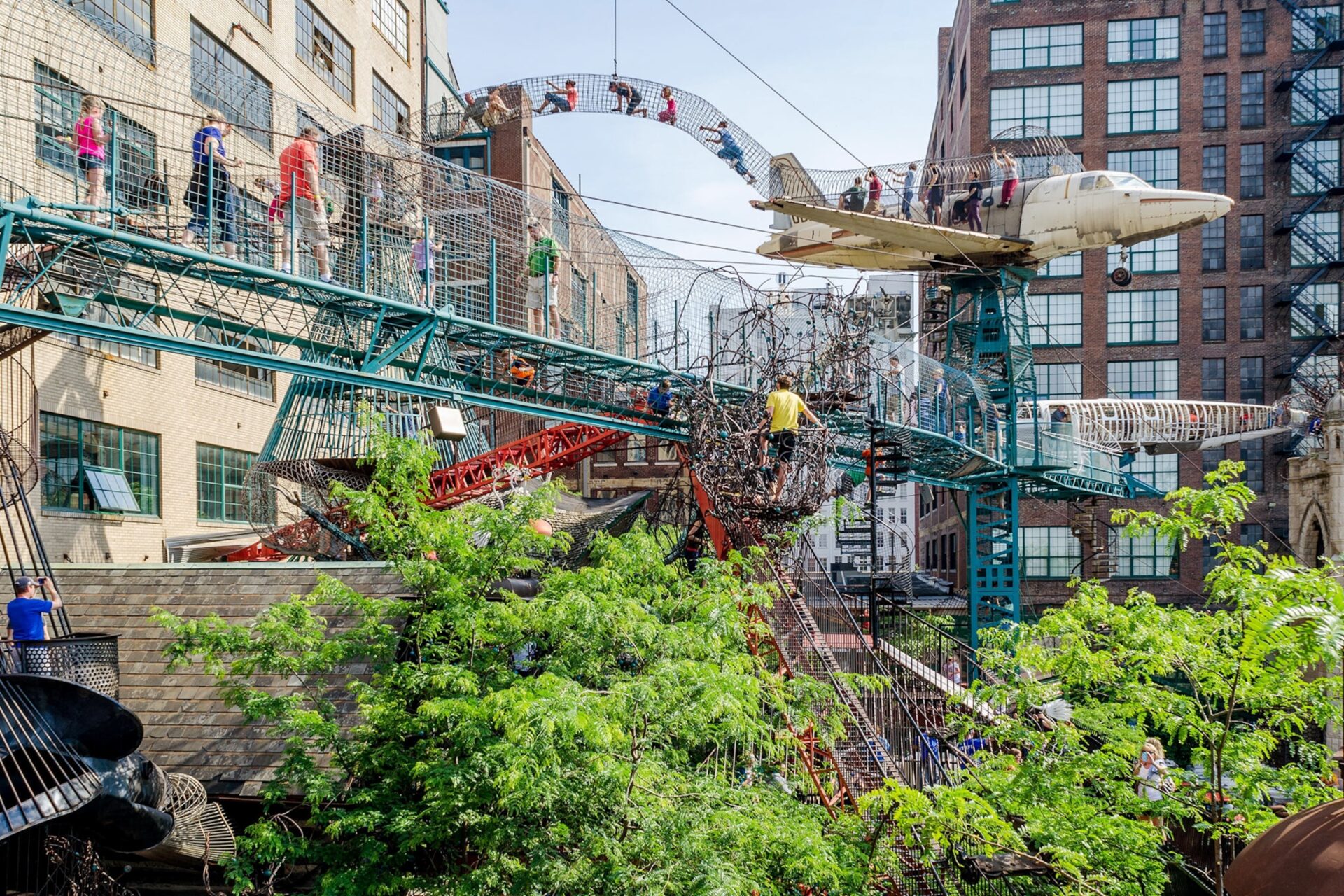
A room for people who think the world could be organized differently. Visual Assemblies are collective experiments in redesigning schools, cities, playgrounds, hospitals, and maybe everyday life itself.

Image

Library of Care

This library is a part of a larger project: David Graeber’s Open Libraries.We are starting with a reading list and links to texts that can be downloaded for free online. Later, we might also publish notes and open calls for discussions around draft texts and books. A reading list dedicated to care —

Image

Debt, Empire, and the Future

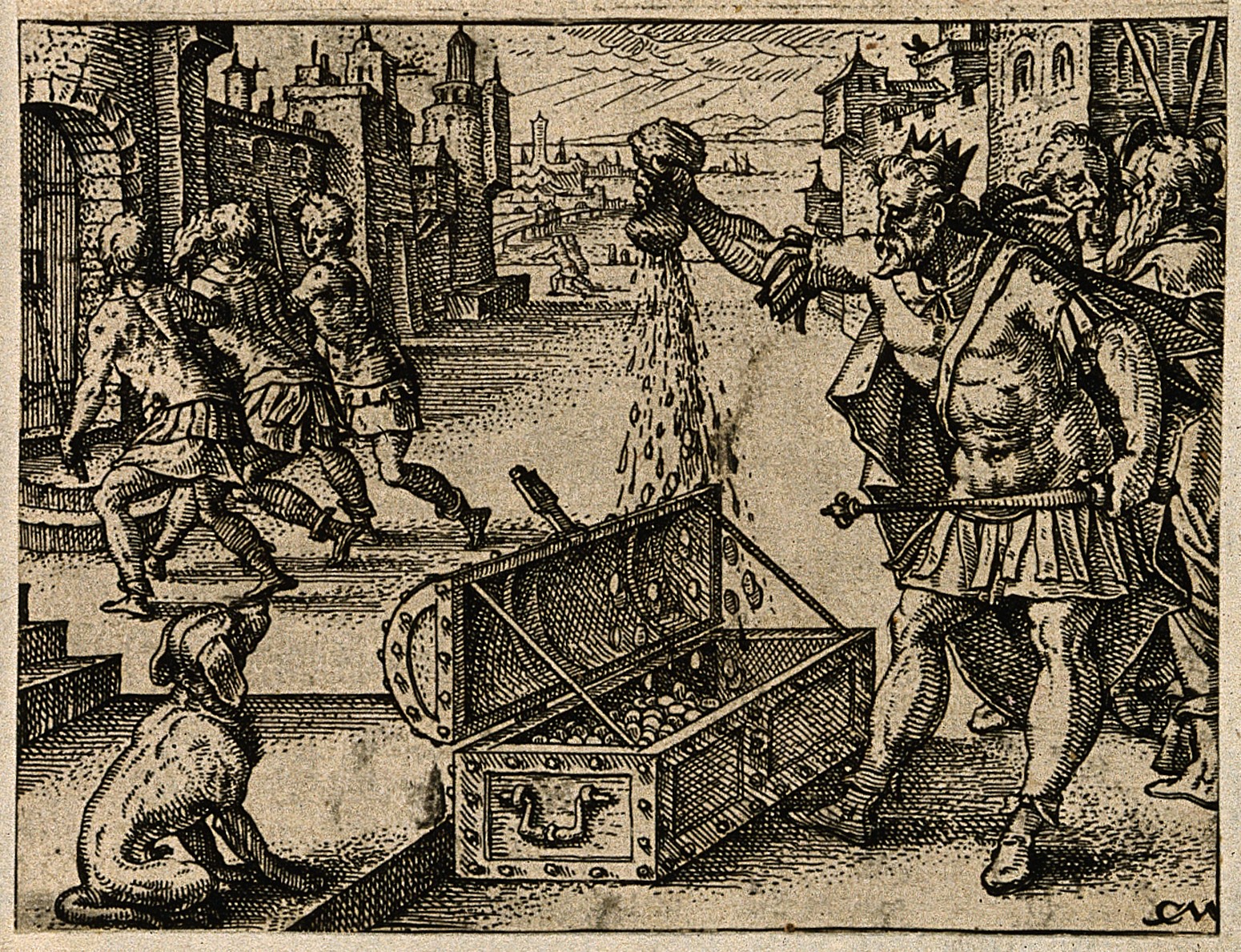
If one starts poking at the history of debt, what one discovers is not a history of honor, or integrity, but a history of violence, slavery, and war. The world’s great empires were built on debt, and the moral claims of creditors have always been enforced by the threat of force.

Image

Everyday Carnival

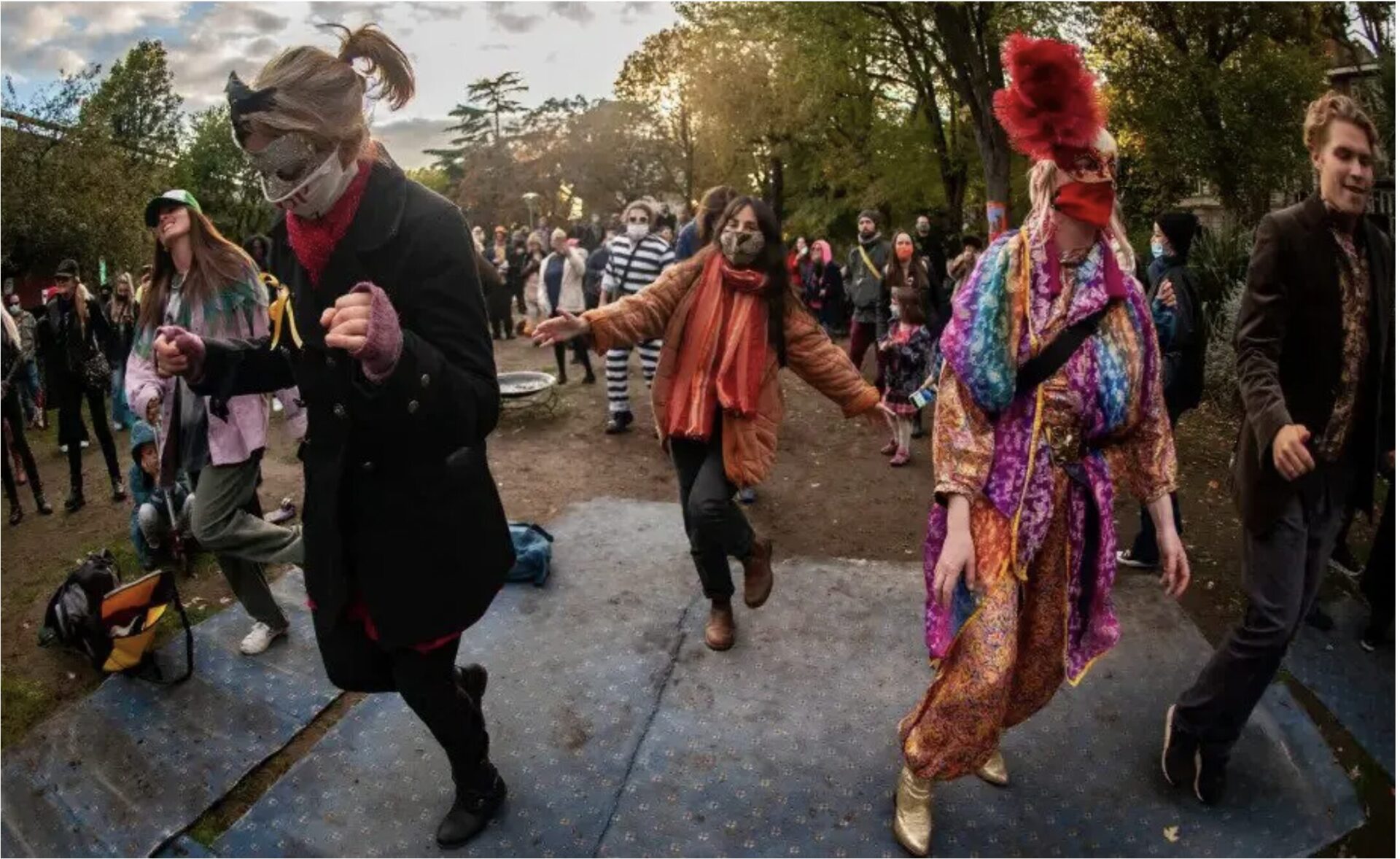
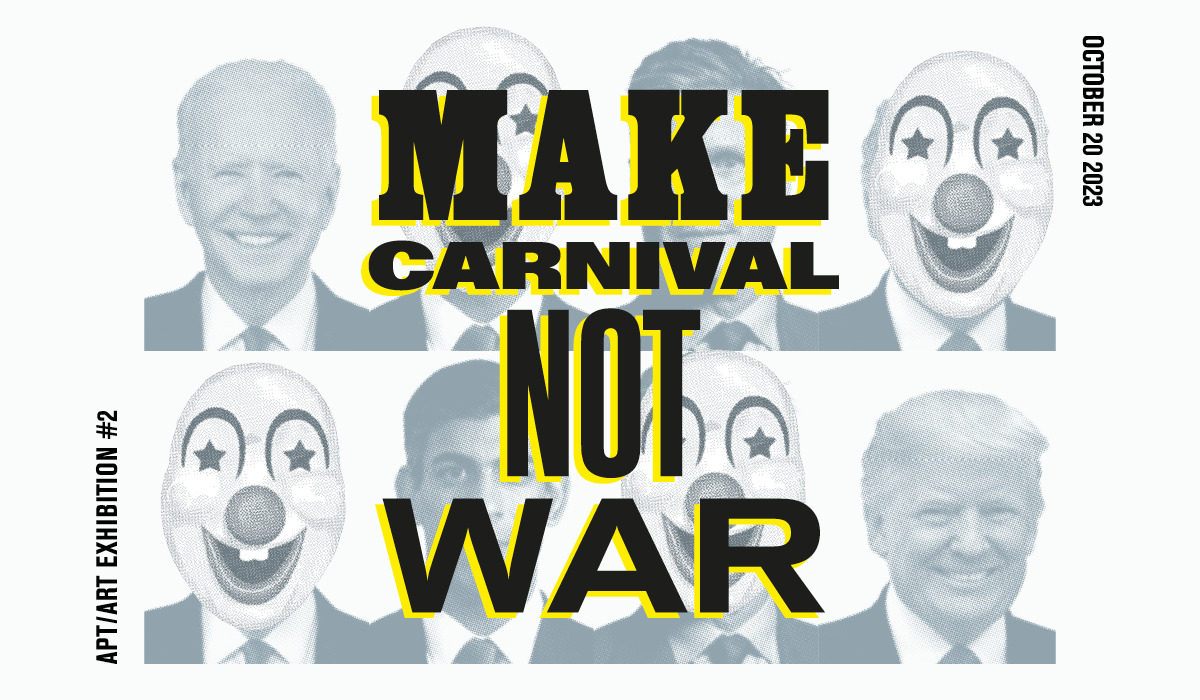
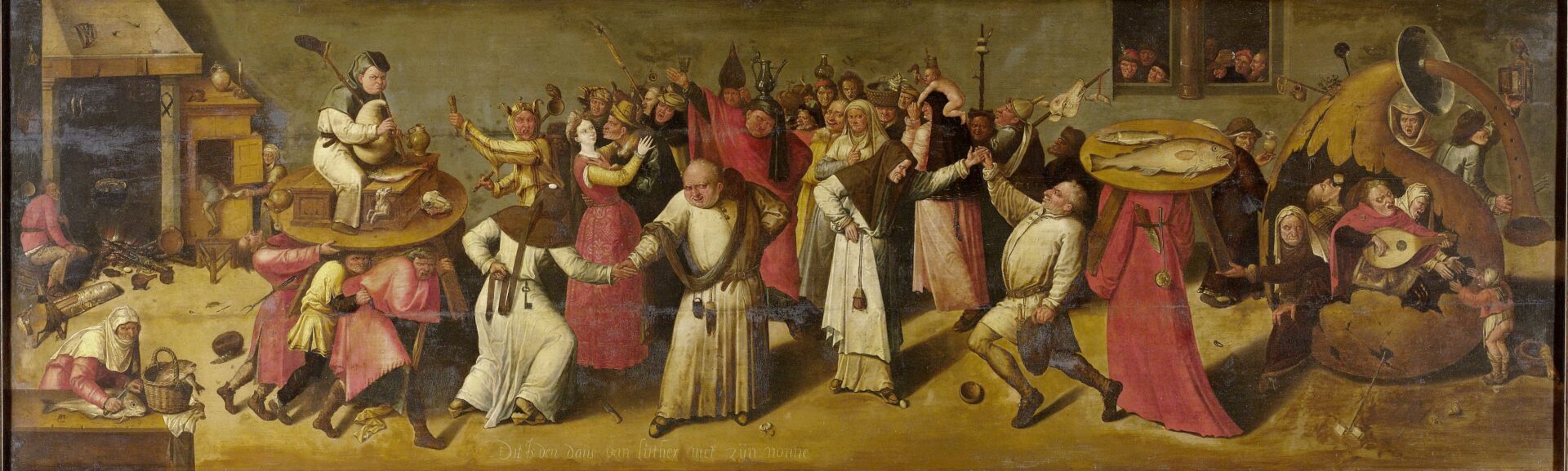
Carnival is the place where everything is turned upside down, where freedom and the possibility of changing social orders and prescribed roles reign. There has never been a better place for David’s ideas to seep and stir.

Image

Fight club

David Graeber asserted that human consciousness only exists in dialogue with others, and the myth of the individual “thinker-philosopher” is nothing but a myth. David himself was often subjected to public attacks and withstood them with fortitude. Our fights will be between real people, imaginary people, or real people played by actors.

Image

David Graeber Institute Art Collection

The DGI art collection is here to organize open calls, commissioned art projects, help to organise APTART exhibitions, and to find connecting with potential collaborators

Image

Made Differently

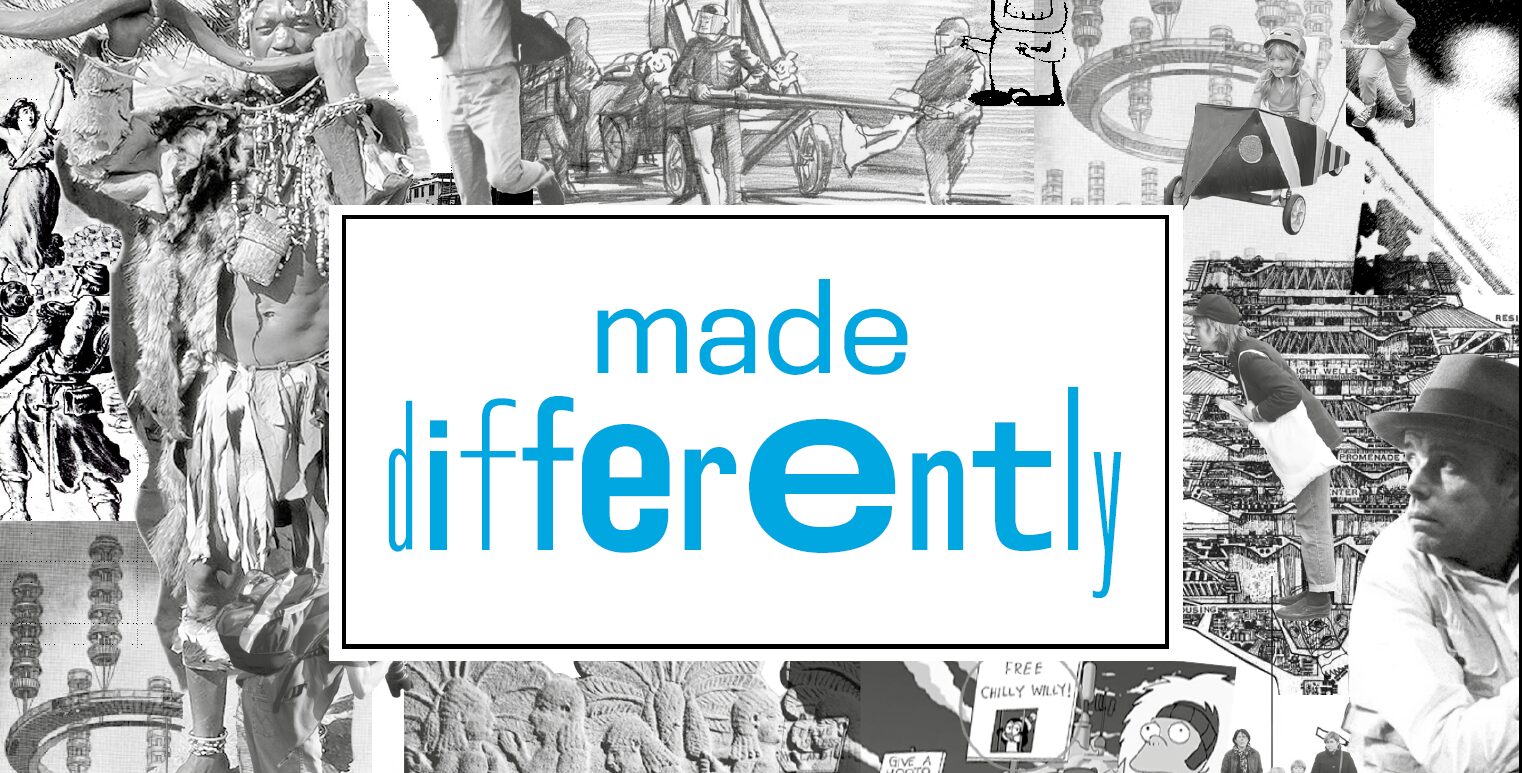
In thousands of ways, we are taught to accept the world we live in as the only possible one, but thousands of other ways of organizing homes, cities, schools, societies, economies, cosmologies, have and could exist. The series of books Made Differently… is designed to play with possibility and to overcome the suspicion, instilled in…

Image

Pedagogies of Care 

What do these true educational resources, from which we may learn collectively, have in common and how do they differ from the mainstream pedagogical approaches based on competition, separation and control?

Image

Debt: The First 5,000 Years

The room is dedicated to the discussion of the concept of debt as present in David Graeber’s “Debt: The First 5,000 Years,” as well as in other texts.

Image

The Survival Kit Collection

The Survival Kit collection at the Museum of Care will focus on the maintenance of human life rather than the preservation of art objects.

Image

Visual Assembly as a Playground

Visual Assemblies rethink shared spaces — hospitals, schools, and playgrounds — exploring how we learn, work, care, and play together. A network of community-built playgrounds as Visual Assemblies could lay the foundation for collaboration and connection.

Image

Carnival4David

Carnivals4David became an annual event to transform death into life, to be together, to create a space where we can imagine another world.

Image

David Graeber’s Tarot cards

The Tarot card project is an attempt to create tools or rituals that can help us imagine this collective future — not as a fixed destination, but as an ongoing process of shared reflection, intuition, and invention.

Image

Brain Trust

Brain Trust: a network of local projects cooperating on specific political and technological solutions from play agriculture to 3D printing, from local energy production to independent education.

Image

Carnival: reading groups and talks

This room is a continuation of the carnivalesque rooms and projects initiated by the Museum of Care and DGI. It combines the format of public talks and a closed reading group.

Image

Open-source food: Spirullina

A room dedicated to discussing cutting-edge food tech and food security, but specifically spirulina offers something more radical: a food security for everyone, not only states or corporations.

Image

Reading Groups

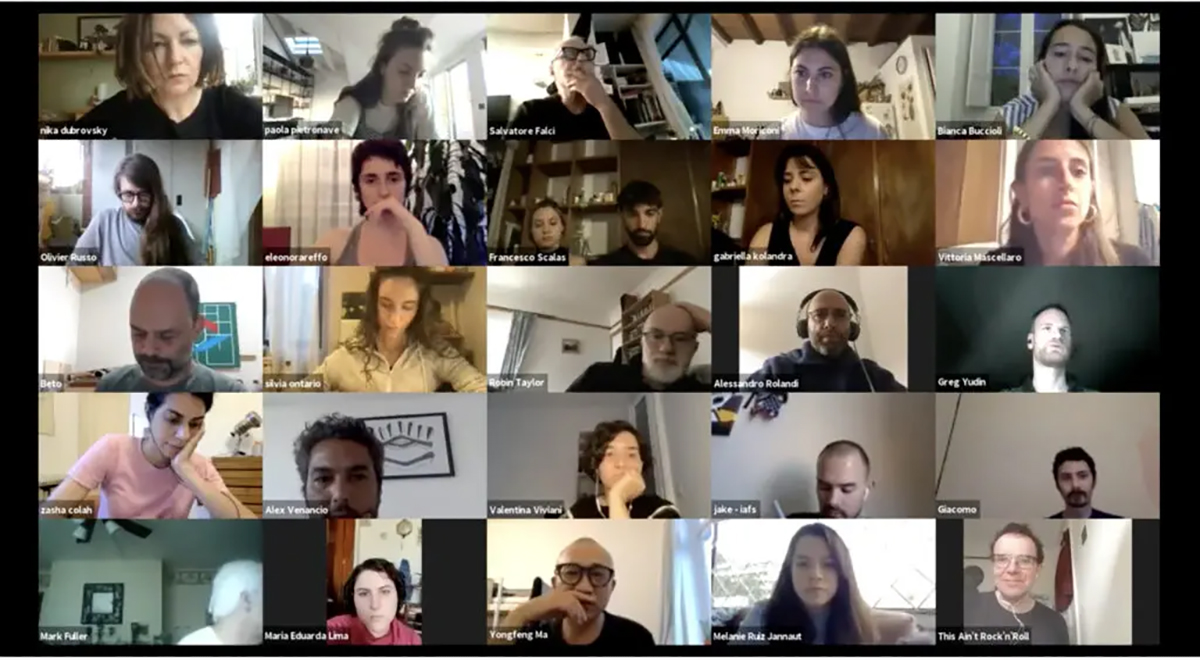
We read and discuss David Graeber’s texts and related material. Please do feel free to get in touch if you are interested in presenting a particular text. All voices are welcome.