
- June 25, 2026
- 12 min read
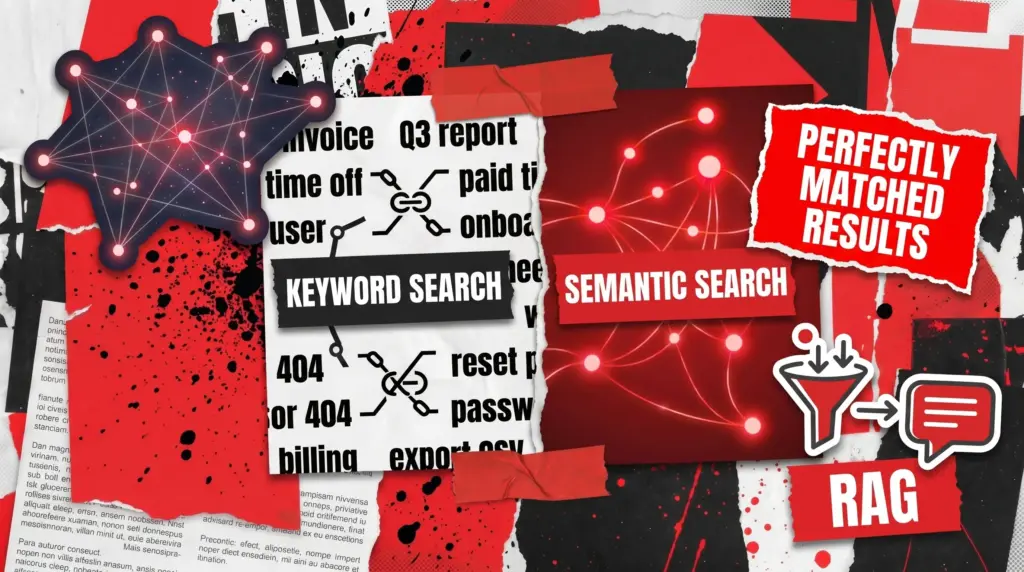
When a user types a full question into your search bar and gets nothing useful back, they rarely rephrase and try again. They simply give up, and that friction compounds across every session and every account.
- June 23, 2026
- 9 min read
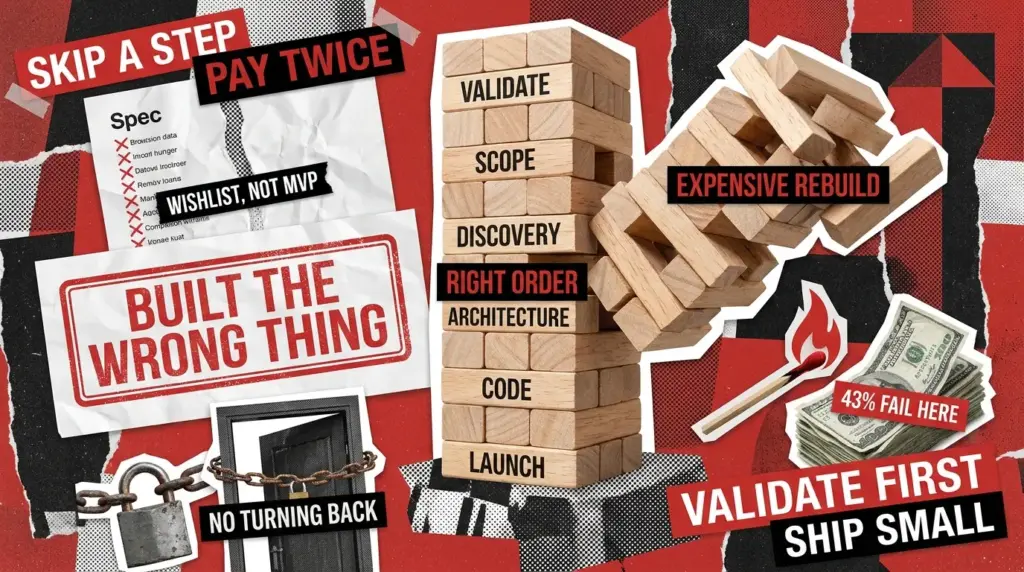
Most SaaS products that fail were built correctly. They solved the wrong problem, or solved the right one in the wrong order, and the code worked perfectly the whole way down.
- June 23, 2026
- 9 min read
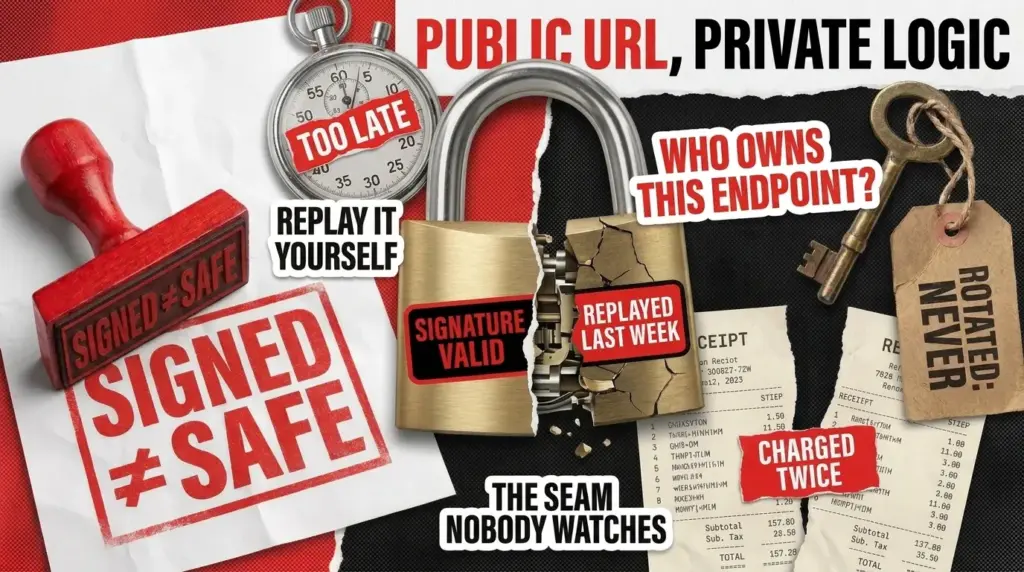
Most engineering teams delivering a SaaS product believe their webhook layer is safe the moment the signature check passes. That belief is the gap. Webhooks are the quiet plumbing behind payments, provisioning, notifications, and integrations, and they sit on a publicly reachable URL that an attacker can reach as easily as you can. According to Verizon's 2026 Data Breach Investigations Report, third-party involvement now drives 48% of all breaches, up 60% year over year. Webhooks live exactly in that third-party seam.
- June 23, 2026
- 11 min read
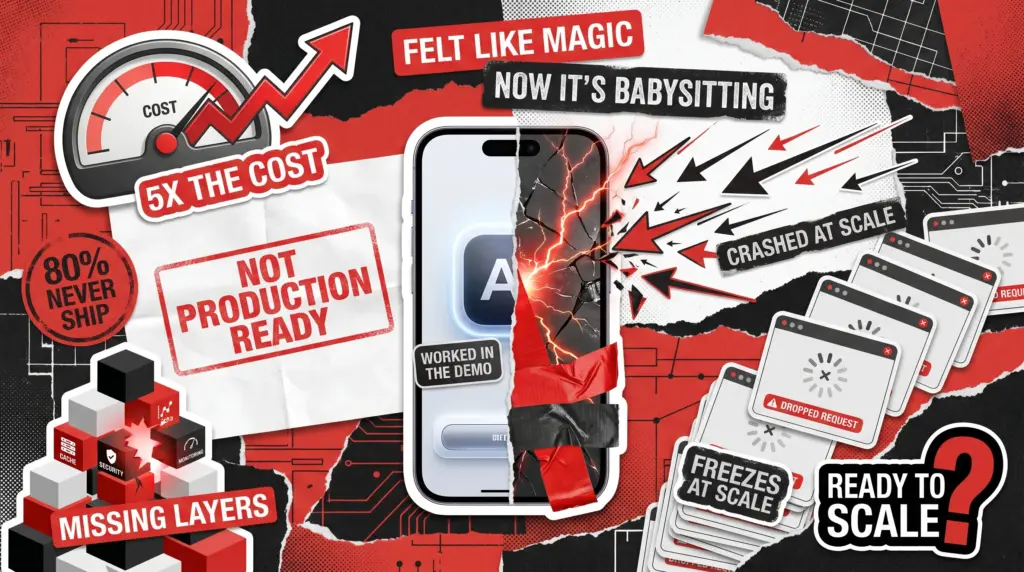
If you are running a Claude-powered prototype, you must be on alert for the moment AI scaling becomes a necessity. To know when that happens, consider if this sounds familiar: you greenlit an internal Claude prototype, and in the first week it felt like magic. Your team plugged into Anthropic’s API, wrote a few prompts, and watched the AI handle customer replies, summarize reports, or sort out data in seconds. You saw the potential and immediately celebrated the win.
- June 23, 2026
- 11 min read
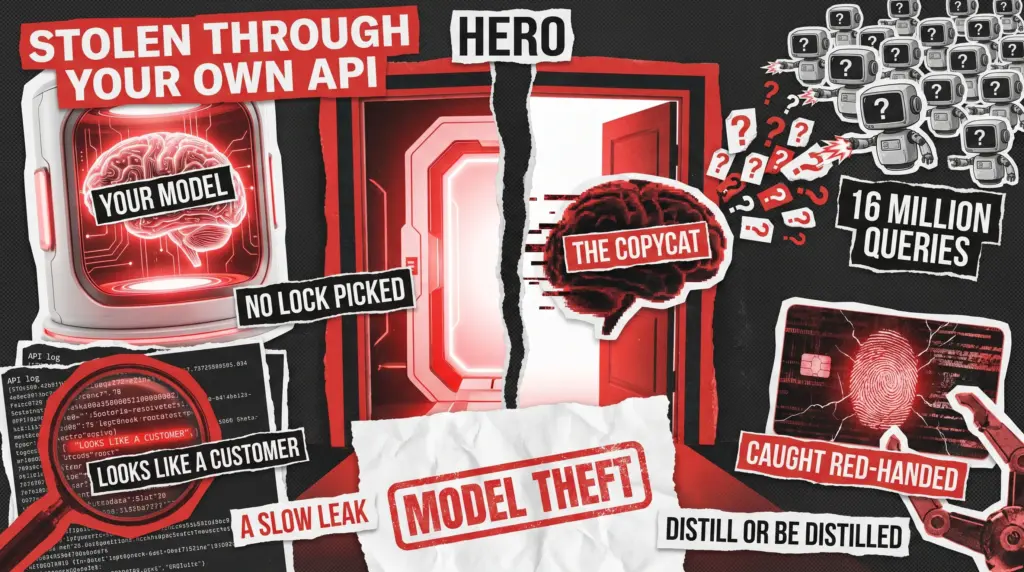
A model distillation attack does not need to break into your systems because you handed over the key the moment you opened your API to the public. Your competitor's cheapest route to a model like yours might be your own product, queried thousands of times until a smaller copycat learns to answer the way yours does. In your logs, it looks like a busy customer, but to your business, it’s a slow leak of the AI capability you spent real money and many months building.
- June 23, 2026
- 11 min read
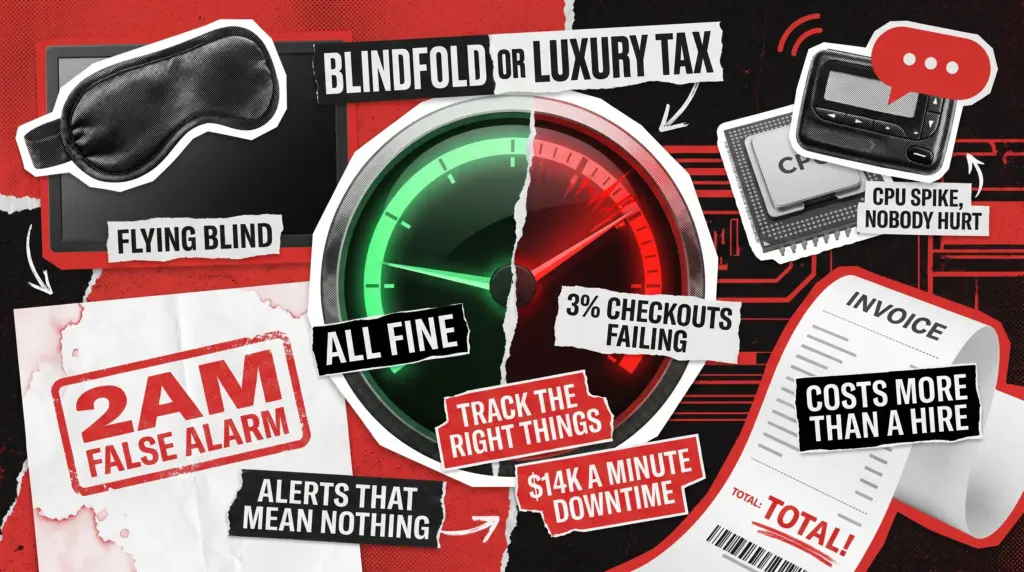
The journey toward mastering SaaS observability usually starts in one of two extreme, accidental traps. In the beginning, most founders take the ‘flying blind’ route. You track absolutely nothing, ship features at lightning speed, and blissfully assume everything is fine until a frustrated user blasts a game-breaking bug all over social media. Panicked, you swing violently to the other extreme: buying a massive, enterprise-grade monitoring platform before you even hit 500 active users. Three months later, you wake up to a bill that costs more than your first engineering hire.
- June 23, 2026
- 16 min read
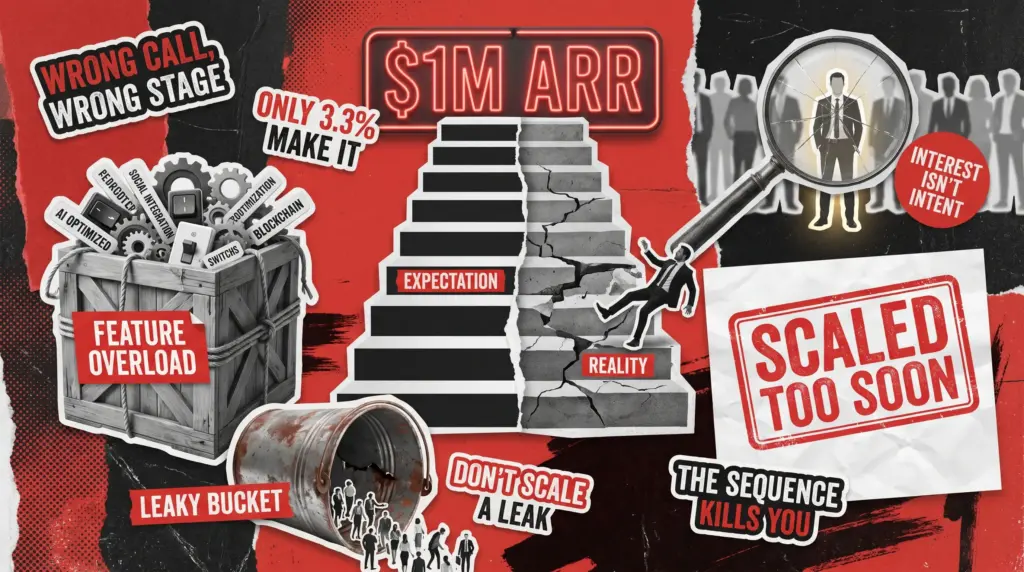
Most SaaS founders fail not because they built the wrong thing technically but because they made the wrong call at the wrong stage. Most often, deadly mistakes come from validating too little before building or building too much before selling.
- June 23, 2026
- 10 min read
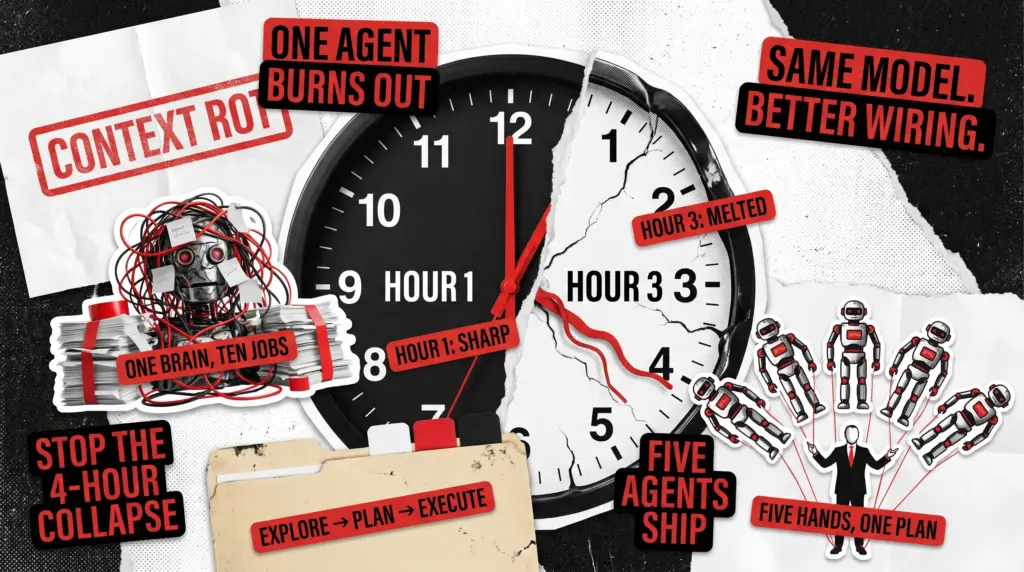
Claude Code has become a serious productivity lever for engineering teams. The gains in the first weeks are usually obvious. What is less obvious is what happens once your team starts using it for longer, more ambitious work: multi-file refactors, large audits, end-to-end feature builds. At that scale, output quality and cost stop tracking the way they did at the start, and the reasons are not always easy to see from a leadership view.
- June 23, 2026
- 15 min read
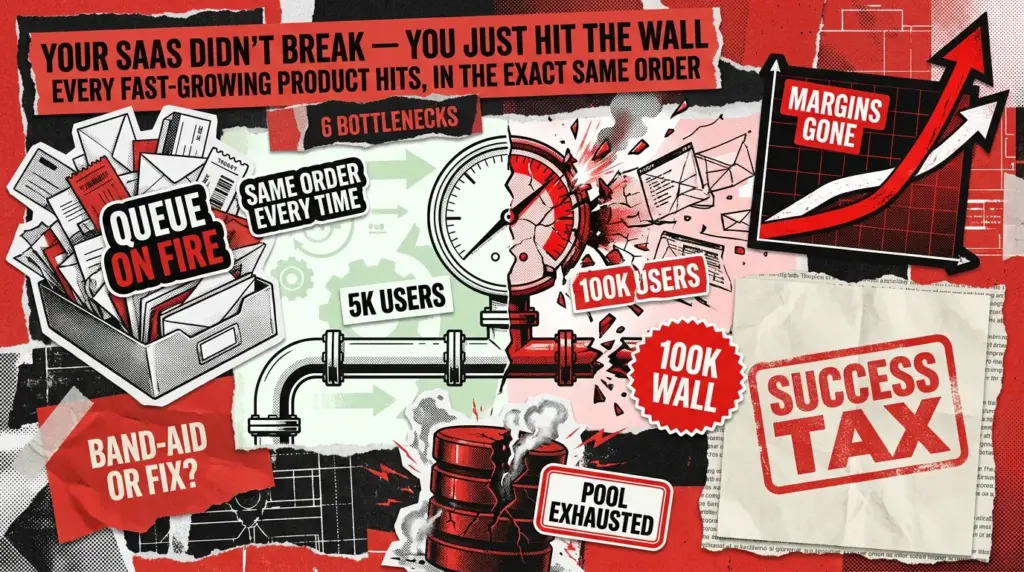
No one warns you about the exact moment when your SaaS success starts to feel a lot like a penalty because the need for scaling a SaaS business often hits you out of the blue. It usually happens overnight: the product that ran like a dream at 5,000 users starts wobbling at 30,000, and by 80,000, it’s officially on life support. Suddenly, your support inbox is a burning dumpster fire, your engineers have abandoned your roadmap to become full-time firefighters, and your infrastructure bill is growing way faster than your bank account.
- June 19, 2026
- 11 min read
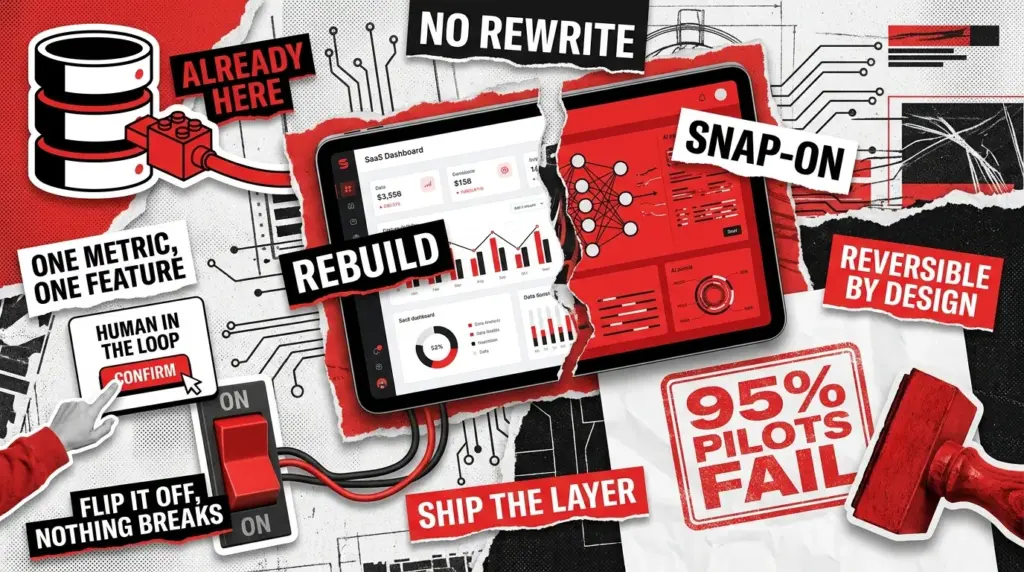
A competitor just deployed an AI feature. Now your users want one, your board keeps forwarding demos, and an investor wants to know your “AI roadmap” by the next call. You have a product that works and customers who pay for it, and the idea of tearing it apart to bolt on AI feels like trading a real business for a science experiment.
