Read book by Miles Davis and Quincy Troupe by Contributors to Wikimedia projects

In 1985, Spin magazine hired Troupe to write an exclusive two-part interview with Miles Davis. The interview was published in the November 1985 and December 1985 issues of Spin. Davis showed great appreciation for Troupe’s work, and Troupe was later contacted by Simon & Schuster to sign on as co-author for Davis’s autobiography.

Miles: The Autobiography – Wikipedia


Miles: The Autobiography takes us into life of Miles Davis. I was inspired to read it after listening to the 100 year celebration of Miles’ birth on The Music Show. I wrote a longer response here.

Continue reading “📚 Miles: The Autobiography (Miles Davis)”

Listened https://en.wikipedia.org/wiki/Rave_Un2_the_Joy_Fantastic from en.wikipedia.org

Development of the album began in 1988, under the working title Rave Unto the Joy Fantastic.[1] However, when the recording and writing sessions proved fruitless, the entire project was abandoned. A majority of the songs written for the album were originally made for Prince’s previous works, such as Lovesexy (1988) and Graffiti Bridge (1990).[2] In June 1998, Prince resumed the project, creating a “reworked” version of the title track, and enlisting help from other musicians, such as Gwen Stefani, Eve, and Sheryl Crow.

Rave Un2 the Joy Fantastic – Wikipedia by Rave Un2 the Joy Fantastic – Wikipedia


Released on November 9, 1999, Rave Un2 the Joy Fantastic was Prince’s high-profile return to a major label partnership via Clive Davis’s Arista Records. Released under his unpronounceable “Love Symbol” moniker, the album was intentionally framed as a highly commercial, star-studded millennial pop event.

At the time of its release, Prince explained his return to a major infrastructure to Larry King Live: “I really searched deep within to find out the answer to whether fame was most important to me or my spiritual well-being… I chose the latter… [but] I have always known that God was my creator and that without him, boy, nothing works.” (https://ultimateprince.com/prince-larry-king-1999/)

Source: Wikipedia

At the time of its release, the charts were completely dominated by late-90s teen pop, rap-metal, and commercial hip-hop/R&B. Other major albums moving numbers on the Billboard 200 included:

  • SantanaSupernatural (The ultimate blueprint for Clive Davis’s guest-heavy comeback strategy)
  • Backstreet BoysMillennium
  • Lou BegaA Little Bit of Mambo
  • TLCFanMail
  • Rage Against the MachineThe Battle of Los Angeles

By Prince’s standards, the commercial performance was a mixed bag. Backed by Arista’s heavy promotional machinery, it debuted at No. 18 on the Billboard 200 and was certified Gold by the RIAA within a month. However, it quickly fell off the charts, and the lead single, “The Greatest Romance Ever Sold,” stalled at No. 63 on the Billboard Hot 100. Prince openly blamed Arista for failing to promote the album properly, causing him to retreat back into independent distributions until 2004.

While Prince famously retained ultimate creative control as the producer at Paisley Park, Clive Davis acted as an executive advisor, steering him toward a modern pop framework. Instead of relying solely on a fixed band line-up, Prince built the album around an explosive roster of contemporary guest stars:

  • Gwen Stefani (co-vocals on “So Far, So Pleased”)
  • Sheryl Crow (vocals and co-production on “Baby Knows”)
  • Eve (rap on “Hot Wit U”)
  • Chuck D (rap on “Undisputed”)
  • Ani DiFranco (acoustic guitar on “Love U, But Don’t Trust U Anymore”)
  • Maceo Parker (saxophone on “Prettyman”)
  • Larry Graham (bass/backing vocals) alongside lush orchestral scores by Clare Fischer.

Track Music Style Lyric Summary
Rave Un2 the Joy Fantastic A slick, upbeat fusion of psych-rock and late-90s pop driven by a signature electric guitar ostinato loop. An ecstatic, impressionistic call to surrender to sensory and celebratory bliss.
Undisputed Mid-tempo, structural funk boasting rhythmic stops, sparse drum-machine knocks, and a heavy rap from Chuck D. A fiery manifesto defending artistic originality while blasting the homogenization of corporate radio playlists.
The Greatest Romance Ever Sold A sultry, slow-burning hip-hop soul ballad layered with dense, smooth falsetto vocal stacks. A hypnotic, grand depiction of an unparalleled, all-consuming romantic connection.
Hot Wit U Minimalist, commercial club-funk anchored by a bouncy bassline and a hip-hop verse from Eve. A playful, direct exploration of dancefloor physical magnetism and mutual attraction.
Tangerine A brief, breezy psychedelic acoustic vignette featuring sparse string elements and a subtle folk layout. A bittersweet, isolated reflection on a vibrant woman slipping through his fingers.
So Far, So Pleased High-energy, melodic pop-rock driven by flashy synths and a bright vocal duet with Gwen Stefani. An upbeat celebration of a blossoming relationship exceeding all initial expectations.
The Sun, The Moon and Stars A spacey, atmospheric R&B slow jam laced with celestial synth keys and a Clare Fischer string score. A tender but deeply melancholic ode to a partner who represents his entire universe.
Everyday Is a Winding Road A heavy, funked-up blues-rock cover of the Sheryl Crow hit, anchored by Larry Graham’s stomping bassline. A philosophical, laid-back acceptance of life’s chaotic ups and downs.
Man’O’War A cinematic, dramatic soul power ballad featuring stinging guitar fills and soaring, emotional vocal cries. A painful look at a crumbling relationship where emotional defenses make vulnerability impossible.
Baby Knows A raw, hyper-energetic garage-rock jam featuring blistering harmonica and co-lead vocals from Sheryl Crow. A celebratory, high-octane tribute to an intoxicating, fiercely independent woman.
Love U, But Don’t Trust U Anymore A sparse, haunting piano ballad stripped down to Prince’s raw vocals and Ani DiFranco’s acoustic guitar strumming. A devastating, deeply personal autopsy of an intimate relationship broken by betrayal.
Silly Game Lush, retro-70s Philly soul featuring elegant, sweeping orchestral strings from Clare Fischer. A plea to stop playing immature psychological games in love and choose honest communication instead.
Strange But True A tense, avant-garde industrial-funk piece featuring a low, spoken-word vocal delivery and mechanical synth hits. A cryptic, unsettling stream-of-consciousness meditation on shifting identities and distorted realities.
Wherever U Go, Whatever U Do A gorgeous, soaring pop-soul ballad that concludes with a hidden, ambient instrumental movement. A timeless, unconditional vow of lifelong devotion, support, and spiritual unity.
Prettyman (Hidden Track) An explosive, old-school James Brown-style funk workout driven by frantic horns and a blistering Maceo Parker sax solo. A humorous, high-stepping tongue-in-cheek braggadocio detailing an incredibly vain man.

Listening to this album after Chaos and Disorder, Old Friends 4 Sale, and the massive, uncurated vault-dump of Crystal Ball, this record represented something of a U-turn. It feels like a deliberate return to pop. After years of public feuding, Prince wanted to prove that without the machinery of Warner Bros., he could walk directly into a major label structure (Arista), team up with a legendary hitmaker (Clive Davis), and drop a mainstream pop blockbuster.

The roster of stars on this album was massive, but when you listen to the tracks, they often sound like they are trapped. No one puts Prince in the corner, I guess.

Clive Davis’s blueprint for a late-1990s “comeback” was Santana’s Supernatural, which dropped just a few months before Rave. On that album, Santana let the guest stars (such as Rob Thomas) completely steer the ship while he provided the signature guitar flavour. Prince simply would not allow that. His late-1980s collaboration with Miles Davis, eventually highlighted in the Sign O the Times deluxe release, suffers from the same problem in some way. Prince ultimately kept the reins too tight to allow for a true two way collaboration.

In addition to the fractured nature of the collaborations, the album feels strange because it is highly polished, but somehow misses the pizzazz. Here I am reminded in part of the work that The Go-Betweens and The Triffids did with producer Craig Leon, where something vital was lost in sanitising the music for the sake of commercial success. Historically, Prince made music because a sound was burning a hole in his brain and had to get out. Rave, however, was a reactive album. It was engineered to fit the sonic landscape of 1999 pop radio.

By aiming for a “slick and radio-friendly” aesthetic, Prince played it safe. He leaned heavily on compressed, computerised drum loops and predictable song structures to sound modern. In filtering out the weird and eccentric traits that defined him, he seemingly filtered out what made him different. This return to the past reminds me of Muse’s attempt to do a montage of themselves:

It’s a montage of the best of Muse. It’s a new take on all of those types of genres that we’ve touched on in the past.

Source: Muse’s Matt Bellamy: ‘The will of the people can be something to be frightened of’ by Laura Kelly

In some ways, this highlights the immense element of chance associated with success, and how it cannot necessarily be forced. Listening to the remix album, Rave In2 the Joy Fantastic, it feels like there are actually more chances played out there.

Read https://moogfoundation.org/bob-moog-foundation-offers-pre-orders-of-new-bob-moog-biography/

In Switched On, Glinsky draws on exclusive access to Bob Moog’s personal archives and probing interviews with Bob’s family and a multitude of associates. Switched On takes the reader on a roller-coaster ride at turns triumphant, heartbreaking, and frequently laugh-out-loud absurd — a nuanced trip through the public and private worlds of the legendary inventor who altered the course of music, forever.

Bob Moog was a brilliant engineer and lovable geek with Einstein hair and pocket protectors. He walked into history in 1964 when his early synthesizers unexpectedly became a sensation. A wide variety of musical acts including The Beatles, The Doors, The Byrds, Emerson, Lake & Palmer, Yes, and Stevie Wonder discovered the Moog synthesizer, and it came to be featured in seminal film scores including A Clockwork Orange and Apocalypse Now.

Take a deep dive into the history of electronic music with new, definitive Bob Moog biography – The Bob Moog Foundation 


Albert Glinksy ‘Switched On’ provides a glimpse into the man behind the myth of the Moog Synthesiser. I wrote a longer response here.

Continue reading “📚 Switched On (Albert Glinksy)”

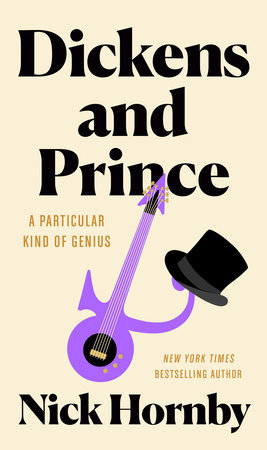
Bookmarked https://www.penguinrandomhouse.com/books/710449/dickens-and-prince-by-nick-hornby/# (penguinrandomhouse.com)

Every so often, a pairing comes along that seems completely unlikely—until it’s not. Peanut butter and jelly, Dennis Rodman and Kim Jong Un, ducks and puppies, and now: Dickens and Prince.

Dickens and Prince by Nick Hornby: 9780593541821 | PenguinRandomHouse.com: Books


Dickens and Prince – A Particular Kind of Genius by Nick Hornby is an investigation of two creative geniuses and their compulsion to create. I wrote a longer response here.

Rock’s Backpages: Podcast Episode 143 : Nick Hornby on Prince (& Dickens) + Boz Scaggs audio interview ()

Continue reading “📚 Dickens and Prince (Nick Hornby)”

Read https://theholdernessfamily.com/adhd-is-awesome/

Penn and Kim bring their trademark uplifting humor along with years of research and personal insights on a condition that affects millions of people around the world, Attention-Deficit/Hyperactivity Disorder (ADHD). In this innovative resource specially designed to appeal to the ADHD brain, you’ll find an entertaining yet informative look at how ADHD works and tools to help you harness its unique gifts.

ADHD Is Awesome – The Holderness Family by ADHD Is Awesome – The Holderness Family


ADHD is Awesome by Penn and Kim Holderness unpacks ADHD, challenges the narrative and provides strategies to survive. I wrote a longer post here.

Continue reading “📚 ADHD Is Awesome (Penn and Kim Holderness)”

Bookmarked https://en.wikipedia.org/wiki/The_Vault:_Old_Friends_4_Sale (en.wikipedia.org)

The Vault: Old Friends 4 Sale was Prince’s first release with Warner Bros. Records since his eighteenth studio album, Chaos and Disorder (1996).[3] His previous three albums, Emancipation (1996), Crystal Ball (1998), and The Truth (1998), were all released independently by NPG Records.[4]

The Vault: Old Friends 4 Sale – Wikipedia by The Vault: Old Friends 4 Sale – Wikipedia


Released on August 24, 1999, The Vault: Old Friends 4 Sale was the final album delivered to Warner Bros. Records to fulfil Prince’s 1992 contract obligations. Though he compiled the songs and handed them over back in 1996 with completed artwork, the label held the masters for three years, dropping the record with almost zero promotion right before his major Arista Records comeback, Rave Un2 the Joy Fantastic.

Prince viewed the record strictly as a contractual obligation rather than a contemporary creative statement, famously telling Rolling Stone in 1999 regarding major label distribution models: “Mr. Davis [Clive Davis, Arista chief] has allowed me to put something through his pipeline and still maintain my freedom. So, I’m cool with that.” He essentially ignored The Vault to focus entirely on his new independent future.

Source: Wikipedia

At the time of its release in late August 1999, the charts were completely dominated by late-90s teen pop, hip-hop, and alternative rock. Other major albums on the Billboard 200 included:

  • Backstreet BoysMillennium
  • Christina AguileraChristina Aguilera
  • Limp BizkitSignificant Other
  • Mary J. BligeMary
  • SantanaSupernatural

By Prince’s commercial standards, the album was a quiet, unpromoted blip. It debuted and peaked at No. 85 on the Billboard 200, though it performed slightly better internationally, reaching No. 16 in the Netherlands and No. 47 in the UK. Because Prince explicitly refused to tour, do interviews, or shoot music videos for it, the album slipped under the radar for mainstream audiences.

Prince produced the entire project himself, though the tracks span a decade of different backing bands. The majority of the tracks feature the classic early-90s iteration of The New Power Generation (NPG), including Michael B. (drums), Sonny T. (bass), Tommy Barbarella and Morris Hayes (keyboards), alongside the powerhouse horn section The Hornheads (Michael Nelson, Brian Gallagher, Kathy Jensen, Dave Jensen). Legendary session strings arranger Clare Fischer also provides the dramatic orchestral backing on the title track.

The album represents a shift in curation rather than linear innovation. Because it gathers outtakes recorded between 1985 and 1996, it bypasses the industrial, electronic aesthetics Prince was using in the late 90s. Instead, it showcases his mastery of live, late-night jazz-funk, smooth jazz, and big-band arrangement. Recorded in dynamic locations around the globe—from Platinum Studios in Melbourne to Studio Guillaume Tell in Paris—the “new technique” here was Prince allowing his band to jam loosely, capturing unforced, smoky room grooves that relied on live brass and organic basslines rather than heavy synth programming.

Track Music Style Lyric Summary
The Rest of My Life (1992) A brief, upbeat pop-theatre number driven by bright piano chords and snappy brass. A joyful, forward-looking statement about finding lifelong devotion and commitment.
It’s About That Walk (1993) A swinging, brassy big-band jazz-funk groove with a confident stride. A playful, appreciative ode to a woman’s mesmerizing walk and style.
She Spoke 2 Me (1991) An extended, smoky late-night jazz piece with fluid guitar licks and a sprawling, smooth instrumental break. Details a brief but deeply impactful and seductive encounter with a mysterious woman.
5 Women (1990) A slow-burning, bluesy soul-groove drenched in heavy atmosphere, originally given to Joe Cocker. A melancholy narrative about attempting to erase the memory of one true love by dating five different women.
When the Lights Go Down (1992) A lush, seven-minute smooth-jazz masterpiece featuring cascading keys and muted trumpets. A sultry, romantic invitation to intimate escapism once the outside world shuts off.
My Little Pill (1991) A short, eccentric avant-garde track utilizing acoustic textures and a carousel-like rhythmic feel. A cynical, metaphor-laden glance at relying on medication or artificial escapes to handle life’s pressures.
There Is Lonely (1992) A dramatic, sweeping orchestral blues ballad heavy on theatrical tension and stark piano. A heartbreaking exploration of profound isolation and the difference between just being alone and feeling truly lonely.
Old Friends 4 Sale (1985) A cinematic masterpiece featuring melancholy strings by Clare Fischer, heavily modified from its original 1985 version. A bitter, deeply personal reflection on changing social circles, betrayal, and watching old friends turn into structural business commodities.
Sarah (1996) A high-energy, classic up-tempo funk workout packed with sharp horn blasts. A fiery, fast-paced celebration of physical attraction and a woman who drives him wild.
Extraordinary (1992) A tender, traditional R&B vocal ballad floating over elegant piano arrangements and soft rhythms. A pure, unadulterated declaration of love, praising a partner for being completely out of the ordinary.

I remember reading about Miles Davis and Prince and wondered exactly where the cross-over was.

In 1985, Warner Bros. signed Davis and cast around for songwriters and players to contribute to his debut for the label. Prince sprang to mind immediately. Late that year, Prince recorded a song called “Can I Play with U?” and sent it to Miles, along with a modest handwritten note:

Miles, even though we have never met, I can tell just from listening to your music that you and I are so exactly alike that I know whatever you play would be what I’d do. So if this tape is of any use to you, please go ahead and play whatever you feel over it because I trust what you hear and play.
That trust bore no fruit; the track was scrapped.

Source: Dig If You Will the Picture by Ben Greenman

However, that was until listening to Vault, especially tracks like ‘She Spoke 2 Me’. I never cease to be amazed about the various dalliances with styles and genres. This is clearly the ‘Jazz’ album, although listening back to ‘Can I Play with U?’ it makes me wonder if my appreciation of jazz is both limited and/or somewhat cliched?

Either way, the sheer polish of these jazz excursions directly contradicts the prevailing criticism that Prince did not care about the quality of his output during his stoush with Warner in the 90s. These tracks are far from demos or raw outtakes; they always sound well-tuned and refined. All of this seemed to reflect a genuine “addiction to creativity”:

Whether it was best Prince or average Prince, that wasn’t the point. The point was that he had to do it. “According to many people who’ve spent time with Prince, he was addicted to the creative process,” says Duane Tudahl. “He was constantly looking for something that wasn’t familiar to keep him interested.”
“He was not a perfectionist,” said Prince’s engineer Susan Rogers. “He wouldn’t have had that output if he’d been a perfectionist . . . It just poured out of him—he couldn’t wait on perfection.”

Source: Dickens & Prince by Nick Hornby

This is reminds me of Damon Albarn’s suggestion that ‘creativity is a condition’. Like Prince, Albarn (via Blur, Gorillaz, The Good, the Bad & the Queen, and endless side projects) is a musical polymath who seems physically incapable of stopping. For these rare artists, music is not a career or a business transaction; it is a compulsory, everyday response to being alive.

Bookmarked https://en.wikipedia.org/wiki/The_Dark_Forest (en.wikipedia.org)

Following the events of The Three Body Problem, humanity unites to defend Earth against the invasion fleet of the alien planet Trisolaris, which will arrive in approximately 400 years. Earth’s defence is severely hampered by Trisolaran “sophons”, omnipresent but unobservable supercomputers that spy on all Earth activity and interfere with technological development.

The Dark Forest – Wikipedia


The Dark Forest by Cixin Liu, the second book of Remembrance of Earth’s Past series, is less a tech-thriller than a brutal sociological experiment about how limited, assumption-driven minds try to prepare for a future they cannot truly fathom. I wrote a longer response here.

I listened to The Dark Forest by Cixin Liu (translated by Joel Martinsen) on Audible, narrated by Daniel York Loh.

Continue reading “📚 The Dark Forest (Cixin Liu)”

Listened https://en.wikipedia.org/wiki/Crystal_Ball_(box_set) from en.wikipedia.org

The Truth is the twenty-first studio album by Prince. It was released as the fourth CD in the Crystal Ball box set. The arrangements are mainly based around the acoustic guitar, augmented with elaborate production effects, multi-layered vocals, and occasional percussion and percussive effects.

Crystal Ball (box set) – Wikipedia


Released on January 29, 1998, The Truth was originally bundled as a companion disc to Prince’s massive, multi-disc vault collection, Crystal Ball. Recorded primarily between December 1996 and March 1997 at Paisley Park Studios, the project was highly introspective, with tracking commencing just weeks after the tragic loss of his and Mayte Garcia’s newborn son, Amiir.

At the time, Prince viewed the format as a blueprint for the future, telling Guitar World: “I have everything on tape, man, including all the informal jams. To me, Crystal Ball was a test case. I was testing the water to see if people would buy music over the internet.”

Source: Prince Studio Albums

At the time of its release, the charts were heavily dominated by late-90s alternative rock, commercial hip-hop, and teen pop. Other major albums on the Billboard 200 included:

  • Celine DionLet’s Talk About Love
  • TitanicMusic from the Motion Picture
  • Matchbox 20Yourself or Someone Like You
  • Garth BrooksSevens
  • Shania TwainCome On Over

Because it was initially sold strictly via mail-order (via 1-800-NEW-FUNK) and early internet pre-orders as part of a 4-or-5-disc box set, the album was completely ineligible to chart on the Billboard 200 during its initial run. It was supposed to be released as a proper stand-alone album in 2000, but this never happened. However, it was finally released as a standalone vinyl LP for Record Store Day in 2021, where it debuted at No. 64 on the Billboard 200 and topped the physical vinyl sales chart.

Prince produced and arranged the entire record himself under his unpronounceable “Love Symbol” moniker. While marketed as his first primary “acoustic” album, it was not a entirely solo guitar affair. It featured crucial instrumental additions from Rhonda Smith (electric bass), Kirk Johnson (drum programming/percussion), Mike Scott (guitar solo on “Fascination”), Kat Dyson (backing vocals), and engineer Hans-Martin Buff.

Track-by-Track Summary

Track Music Style Lyric Summary
The Truth Stark, bluesy acoustic folk paired with sharp vocal screams and brief digital flutters. An intense self-interrogation exploring spiritual honesty and media deception.
Don’t Play Me Raw, minimalist acoustic guitar with a completely unshielded, upfront vocal mix. It is an example of more with less. A candid look at his waning commercial stardom and his refusal to be manipulated by the industry.
Circle of Amour Gentle, melodic acoustic pop with keys and acoustic guitar accented by Kirk Johnson’s light drum programming. A nostalgic, fictional high school daydream exploring innocence and sexual awakening. Another example of a song as story.
3rd Eye A bouncy interplay between acoustic guitar and Rhonda Smith’s prominent electric bass. This is another track that reminds me of Gomez. A provocative blend of biblical imagery and Eastern spiritual concepts regarding higher perception and inner belief.
Dionne A sophisticated, heartbroken acoustic ballad reminiscent of classic jazz-pop melodies. A bitter yet beautifully vulnerable portrait of romantic rejection and infidelity. Supposedly about Dionne Farris.
Man In a Uniform Upbeat, rhythmically driving acoustic funk with percussive syncopation. The song includes a mimic of the military bugle call. A playful, slightly satirical take on authority, roleplay, and domestic attraction.
Animal Kingdom Experimental acoustic arrangement utilizing ambient noises and a deep bass. The acoustic sound has a number of effects applied (including the voice) to take it away from the rawness. A passionate advocacy for a vegan lifestyle and a critique of human consumption habits. Dolphins are also back again.
The Other Side of the Pillow A cool, sparkling acoustic spritzer with a relaxed, jazzy mid-tempo groove. An ode to a lover who embodies ultimate composure, calm, and effortless cool.
Fascination High-energy, lightning-fast acoustic strumming backed by dense layers of percussion and guest vocals from Rhonda Smith. A critique of obsession with tabloid culture and superficial fame.
One of Your Tears Somber, heavy acoustic layers interacting with a prominent, dark electric bassline. An exploration of betrayal where he wishes to reincarnate as his ex’s tears to witness her guilt. Another example of where Prince manages to capture so much with so little.
Comeback A brief and deeply moving acoustic eulogy. A heart-wrenching meditation on grief and the spiritual presence of a loved one who has passed away.
Welcome 2 the Dawn An uplifting, cinematic acoustic suite with multi-layered, triumphant vocal harmonies. A spiritual anthem offering hope, rebirth, and entry into a enlightened new era. After an album filled with stark self-interrogation, raw grief, and industry bitterness, the track serves as a triumphant final exhale. It signaled to his fans that the long, dark corporate night was officially over, and he was finally welcoming them into his new era of total creative freedom.

In the late ‘90s, acoustic music was everywhere – from the massive cultural footprint of the MTV Unplugged series to big rock departures like Guns N’ Roses’ G&R Lies or Alice in Chains’ Sap to acts like Gomez. Yet, Prince’s The Truth feels different from its contemporaries. Sonically, it often feels much closer, like being trapped in a small room with the artist. It would seem that Prince wanted the music to sound “upfront” and immediate. To achieve this, he and engineer Hans-Martin Buff avoided using the digital reverb units (like the Lexicon or AMS processors standard in studios at the time) that typically simulate grand concert halls. Instead, his acoustic guitar was miked inches from the sound hole, leaving no lingering echo to fade into the background. While a reverberant mix like Nirvana’s Unplugged lets you hear the room “ring” after a loud note, The Truth often offers only stark silence between chords.

This hyper-dry environment reflects Buff’s engineering philosophy: keep the direct sound glued to an authentic acoustic whenever possible, but don’t be afraid to augment that room synthetically when necessary (as explored in the following piece: Inside Hans-Martin Buff’s Grammy-Winning Approach to Rooms and Reverbs). By tracking the guitar in Paisley Park’s Studio A – a heavily treated, acoustically “dead” space – and refusing to wash it in artificial effects later, Prince ensured the album sounded less like a public performance and more like an intimate confession, something that matched the themes of the album, such as spirituality, betrayal, rejection and the passing of someone.

This dryness is disrupted by the sparing use of synths and sound effects, creating a strange, jarring contrast akin to adding chocolate in a salad. Although it may work in some situations, it is always unexpected. Ultimately, the album stands as another example of Prince experimenting, as well as proof that he could conquer any style he chose. Though he had left acoustic footprints before – on tracks like “Crazy You” (For You), “Gotta Broken Heart Again” (Dirty Mind), and “7” (Love Symbol) – this was the first time he let that raw, wooden texture carry an entire album.

Read https://www.penguin.com.au/books/songwriters-on-the-run-9780143777731

Robert Forster, singer-songwriter and co-founder of the iconic indie band the Go-Betweens, takes readers on a rock-and-roll road trip in his scintillating fiction debut.

‘A comic odyssey, a crime thriller and a nuts-and-bolts account of making art. Not bad for one book!’ PAUL KELLY

Songwriters on the Run by Robert Forster – Penguin Books Australia 


Songwriters on the Run is the debut novel from Robert Forster (co-founder of The Go-Betweens). The story follows Mick Woods and Drew Lovelock, two singer-songwriters in search of success. They find themselves touring their album around Australia well after its release, with big-time success looking increasingly out of reach. Things go from stagnant to chaotic when they are set up for a series of crimes and find themselves entirely unable to contact their manager. The novel completely unfurls into a hectic, hilarious caper, with multiple threads – musicians on the run, a manager missing, a record executive and a detective unwilling to give up – eventually tying together.

For me, the book constantly flirts with the line of being – and not being – about The Go-Betweens. Setting the narrative in 1991, right after the real-life band had split up, feels like a highly deliberate creative choice to differentiate them from the legacy. Yet, it still remains a story about two artists traveling around, constantly wondering if they are ever going to make it. (Although, alternatively, you could just as easily view the duo as a nod to Grant McLennan and Steve Kilbey’s collaboration as Jack Frost.) As critic Daniel Herborn has highlighted, it is a novel that looks back with great affection at a pre-social media, pre-digital music era. It makes me wonder what such a prognoses would look like for a similar set of artists today?

The voice and frantic pace of the writing reminded me of Trent Dalton – full of music, beautifully broken characters, and an ordinary world given an extraordinary light. It grants the reader an evocative insight into a past world of Queensland and Melbourne that now feels like a piece of distinct cultural history.

For me, the book beautifully explores the question of how you reclaim your own narrative in time. Although it is not quite a Julian Barnes novel with a total blur between the author and the text, it certainly is not far off.

I listened to the audio version read by Nikos Andronicos, available on Spotify, after Dave Graney recommended it on Instagram.

Bookmarked https://www.spotify.com/au/safetyandprivacy/parental-guide (spotify.com)

Music only: Audiobooks and podcasts are not available to managed accounts. Additionally, certain songs may be unavailable, for example those with sexually explicit lyrics, reflecting an approach shaped with our Spotify Safety Advisory Council.
Limited interactivity: Managed account profiles are private and not searchable or discoverable. They also cannot search for or discover other Spotify users or take part in Jam and Blend.
Age-restricted features: Managed accounts can’t access age-restricted features like Messages or music videos tagged as 18+ by rights holders.
Automatic search protection: Searches and search suggestions for terms commonly associated with age-inappropriate content are prevented.
Advertising: Managed accounts on our Premium Family plan have ad-free music listening. While managed accounts on our free service do have advertising, the experience is limited to informational ads about Spotify features and there are no direct purchase links.

Safety and Privacy center by Safety and Privacy center


Have been exploring Spotify’s ‘Managed Account’ feature. This is an alternative to Spotify Kids. It allows children to access Spotify without an email address or a full account.

Kids are free to add songs to favorites, create playlists, and receive their own personalized recommendations based on their listening habits, without influencing the main account holders’ listening history or algorithm. That separation means parents won’t find their Discover playlists or Wrapped results being ruined because their child has been blasting the K-Pop Demon Hunters soundtrack on repeat.

Source: Spotify rolls out controls to keep kids music out of your algorithm

Although Spotify Kids allowed you to share playlists, the Managed Accounts allows children to actually create their own, it would seem.

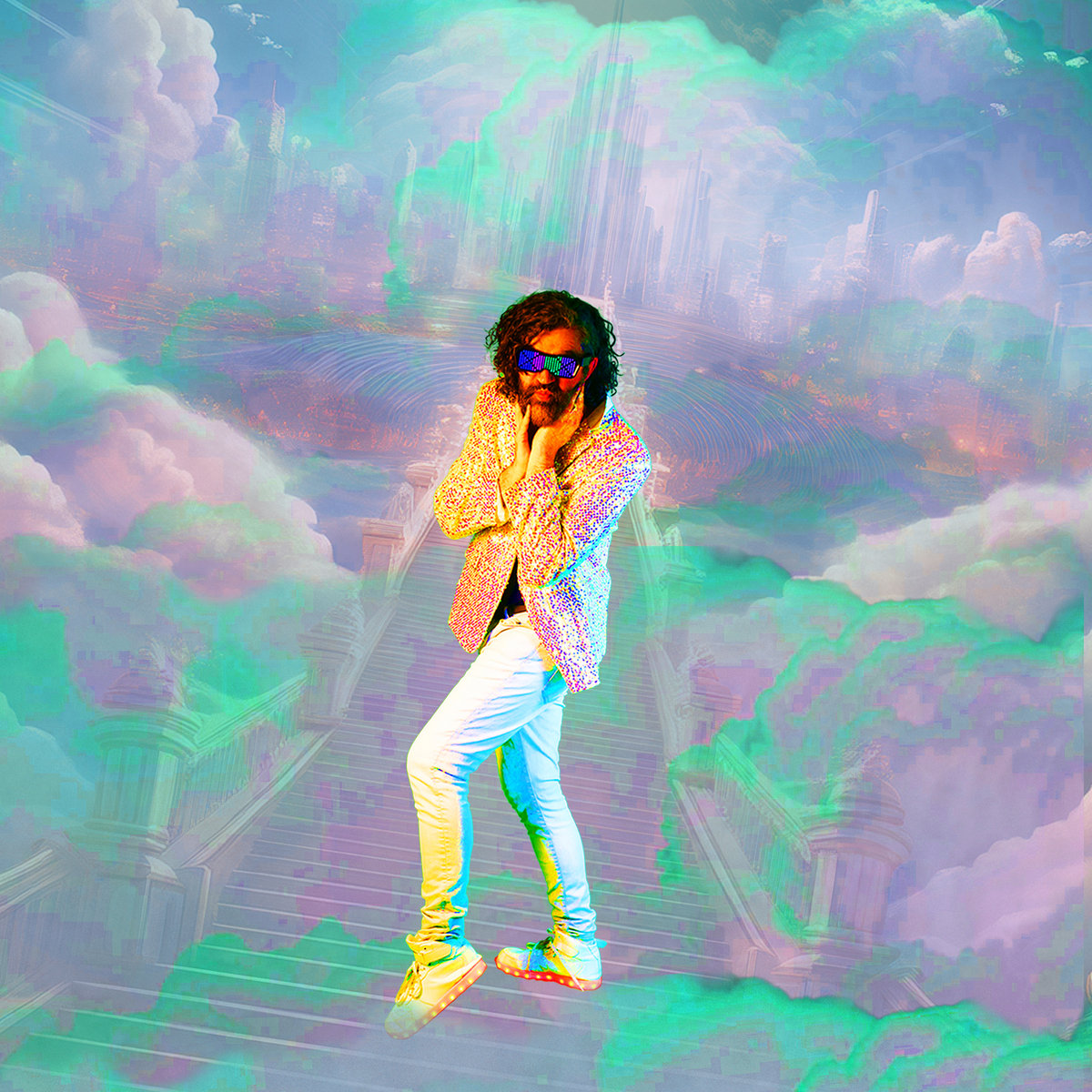
Listened Heaven’s a Let Down, by Twinkle Digitz from Twinkle Digitz

track by Twinkle Digitz

Released May 6, 2026
Recorded at Soundpark Studios and Twinklephonic Studio / Shed
Engineered and mixed by Idge at Soundpark Studios
Mastered by Richard Stolz at Woodstock Studios
Performed by Twinkle Digitz

Source: Heaven’s a Let Down by Twinkle Digitz


The opening pads make you wonder if I was listening to Carly Rae Jepsen’s ‘Boy Problems’. However, this wondering is quickly dispersed. The opening chord progression descends, locking into a squelching, ominous synth groove that sits somewhere between Depeche Mode’s ‘Rush’ and Sabrina Carpenter’s ‘House Tour’.

This is contrasted with the main refrain, which is driven by angelic synth strings. It is this dialectic that drives the song. This is not Richard Dawkins dictating to us. Rather, it is, in part, a question of faith as well as a kind of ode to a loved one (a little different to ‘SexxxKisss’). As stated on Bandcamp:

In this experimental electropop tune I suggest that the accepted biblical version of heaven might actually be incredibly boring.
Can you imagine choirs of angels singing hymns all day and night at you for eternity? At least you could eat, drink and smoke whatever you want I guess, and manifest your own dream home out of clouds? I’m conflicted about the whole concept, obviously.
It’s also supposed to be a sort of sweet love song in the vein of Nothing Compares 2 U, but came out a little bit twisted. A homunculus of sorts!

Source: Heaven’s a Let Down by Twinkle Digitz

The ‘chorus’ (is it a chorus if it only plays once – does that make it a bridge, I am confused?) has this strange effect where it falls into a comfortable chord progression, only to jump to a dissonant chord (with its ‘Question of Lust’ overtones: ‘D’you know what I mean’) that totally derails the moment, leading to a scream of frustration.

On the subject of the ‘chorus’, there is something Princesque about the fluid structure of Twinkle Digitz’ songs. As with the purple one, the tracks often refuse to settle into a traditional verse–chorus–verse–chorus shape; instead, they glide from section to section in a way that only feels conventional on the surface. It’s that ‘AUTOMatic’-style sleight of hand: the groove feels instantly familiar, but when you pull it apart, the form is oddly elongated, sections bleed into each other, and the hooks do not always land where a pop‑theory brain expects them. (It is interesting thinking about this after listening to Switched on Pop episode on Olivia Rodrigo and the ‘second verse’.)

Lastly, if this had been written in the ’70s, I feel that synth solo would have gone on for more than eight bars. Also, coming back to the Prince comparison, I am still waiting for the extended 12-inch remix that turns everything up to 11.

I think this must be the No. 2 Song in Heaven? Maybe that is the let down.

Listened https://en.wikipedia.org/wiki/Crystal_Ball_(box_set) from en.wikipedia.org

The album Crystal Ball is Prince’s second triple album in succession, following Emancipation. Each of the three CDs contain ten tracks and last fifty minutes, resembling Emancipation’s 12-song, sixty-minute disc lengths.

Crystal Ball (box set) – Wikipedia


Released on January 29, 1998, Crystal Ball was a massive, highly anticipated milestone in Prince’s career. Acting as a sprawling 3-CD box set of previously unreleased “vault” tracks, it was his first major independent multi-disc venture distributed directly through his website (Love 4 One Another) and a 1-800-NEW-FUNK phone line, bypassing traditional label infrastructure.

At the time, Prince proudly stated to the press: “With the internet, there are no boundaries and there are no labels. It’s the ultimate freedom for an artist.” [1]

Source: Wikipedia

At the time of its retail rollout in early 1998, the music landscape was undergoing an era of late-90s pop, hip-hop, and alternative dominance. Other major albums moving units on the Billboard 200 included:

  • TitanicMusic from the Motion Picture (Soundtrack)
  • Celine DionLet’s Talk About Love
  • Will SmithBig Willie Style
  • Matchbox 20Yourself or Someone Like You
  • Shania TwainCome On Over

Because of its highly experimental rollout, measuring its commercial success was complicated. For fans who pre-ordered online, the box set came as a 5-CD package (including the acoustic album The Truth and the instrumental Kamasutra). When it finally hit retail brick-and-mortar stores in March 1998 as a 4-CD set, it peaked at No. 62 on the Billboard 200. Considering the set’s premium price point, lack of radio promotion, and the fact that die-hard fans had already ordered it directly, it was viewed as a respectable victory for independent distribution.

Rather than a static studio aesthetic, Crystal Ball mapped Prince’s transition from 1980s analog wizardry to 1990s digital manipulation. It highlighted his pioneering use of the Linn LM-1 drum machine and the stock library samples of the Fairlight CMI synthesizer to construct avant-pop landscapes. By the mid-90s tracks, he was actively experimenting with early Pro Tools configurations, using hard-disk recording to build towering, clean vocal stacks and heavily compressed, loop-driven R&B frameworks that directly fought against the industry standard.

Critics in 1998 were split, often fascinated by the music but frustrated by the packaging. Entertainment Weekly gave it a B+, celebrating the “buried treasures” but noting that the sheer volume could feel overwhelming. Many reviewers found the logistical delays of the internet shipping and the literal plastic “crystal ball” spherical jewel case cumbersome.

Now, Crystal Ball is viewed by historians as a visionary blueprint for the modern direct-to-consumer music economy.


Disc 1

Track Music Style Lyric Summary
Crystal Ball (1986) A sweeping, 10-minute avant-garde funk epic layered with a complex, cinematic Clare Fischer orchestral arrangement. A sobering meditation on global anxiety, apocalyptic threats, and finding refuge in love.
Dream Factory (1985) Spunky, fast-paced psych-funk driven by snappy snare snaps and a classic, rubbery bassline. A sarcastic look inside the dark, gossipy underbelly of fame and the music industry machine.
Acknowledge Me (1993) Slick, hard-hitting mid-90s new jack swing with punchy synth stabs and smooth vocal harmonies. A confident, sensual demand for attention and respect from a lover.
Ripopgodazippa (1993) A breezy, reggae-infused pop-funk groove accented by a rolling acoustic rhythm and warm woodwinds. A playful, sun-soaked celebration of casual physical intimacy and joy.
Love Sign [Shock G Remix] (1994) West Coast G-funk inspired hip-hop remix featuring a prominent synth-whine and a bouncy bass loop. An anti-violence anthem making an explicit plea to trade gun culture for peace and love.
Hide the Bone (1993) Gritty, low-slung Minneapolis funk anchored by structural slap bass and dirty rhythm guitar. A raunchy, double-entendre filled track centered around raw, primal physical attraction.
2morrow (1996) Smooth, futuristic R&B slow jam with glittering synth pads and a hypnotic digital heartbeat. A lush, romantic reassurance of devotion looking forward to the upcoming night.
So Dark (1994) A heavy, bluesy re-working of his track “Dark,” featuring layered vocal tracking and dramatic minor-chord keys. A deeply melancholic expression of heartbreak and loneliness following a painful breakup.
Movie Star (1986) Humorous, theatrical old-school funk complete with house-party sound effects and an animated vocal delivery. A tongue-in-cheek story detailing a vanity-filled, disastrous attempt at a high-profile club date.
Tell Me How U Wanna B Done (1992) Upbeat hip-hop soul hybrid built upon a repurposed looping sample of his own track “The Continental.” A direct, high-energy exploration of sexual chemistry and mutual satisfaction.

Disc 2

Track Music Style Lyric Summary
Interactive (1993) High-octane, blistering cyber-rock driven by roaring distortion and frantic live drums. A chaotic commentary on technological overload and the overwhelming nature of modern stimulation.
Da Bang (1995) Raw, minimalist industrial punk-funk that relies on aggressive guitar squeals and erratic percussion. A frantic, abstract portrayal of a dizzying and overwhelming sexual encounter.
Calhoun Square (1993) A ferocious, jam-heavy blues-rock vehicle showcasing an extended, fiery electric guitar solo. A high-energy homage to a famous intersection in Prince’s hometown of Minneapolis.
What’s My Name (1993) Sparse, brooding electro-funk powered by an ominous bassline and altered, distorted vocal delivery. A fierce assertion of identity and ownership, directly targeting corporate exploitation of artists.
Crucial (1986) A gorgeous, classic 80s soul ballad bleeding with lush guitar chords and a soaring falsetto. An earnest, vulnerable plea for deep emotional commitment within a relationship.
An Honest Man (1985) An intricate, brief a cappella vocal showcase utilizing multi-tracked, baroque-style harmony. A simple, spiritual yearning to remain virtuous and true to oneself.
Sexual Suicide (1985) Upbeat, horn-heavy psych-funk that calls back to the classic mid-80s Parade-era structural layout. A quirky, metaphorical look at the emotional toll of intense romantic dependency.
Cloreen Bacon Skin (1983) A massive, 15-minute skeletal funk jam consisting solely of a raw drum break and a bassline. A loose, heavily improvised stream-of-consciousness comedic routine between Prince and Morris Day.
Good Love (1986) Effervescent, bright synth-pop featuring a bouncy rhythm track and celebratory arrangement. An infectious, joyful ode to the pure high of being completely in love.
Strays of the World (1993) A grand, theatrical art-rock epic building toward a massive, gospel-tinged orchestral crescendo. An inclusive, uplifting anthem welcoming all outcasts and societal misfits to unity.

Disc 3

Track Music Style Lyric Summary
Days of Wild [Live] (1995) A thunderous, long-form live funk workout driven by heavy bass loops and a roaring crowd atmosphere. A gritty, street-level validation of freedom, survival, and staying true to the groove.
Last Heart (1986) Snappy, skeletal pop-funk accented by sharp, stabbing horn arrangements from Eric Leeds. A sassy, upbeat warning to a lover about guarding their heart from emotional games.
Poom Poom (1996) A quirky, minimalist synth-pop novelty track built over an eccentric, bouncing drum machine pattern. A lighthearted, explicitly playful, and juvenile celebration of physical anatomy.
She Gave Her Angels (1996) A tender, slow-burning blues-rock guitar ballad with a deeply emotional vocal delivery. A poignant narrative tracking grief, loss, and finding comfort in spiritual peace.
18 & Over (1994) Heavy, horn-driven street-funk relying on an aggressive mid-90s hip-hop groove. A raw, hyper-confident boast of adult seduction and late-night physical attraction.
The Ride [Live] (1995) A smoky, electrifying 12-bar electric blues jam loaded with expressive guitar leads. A masterful use of automotive and travel metaphors to describe erotic journeys.
Get Loose (1994) A frantic, industrial-dance remix utilizing heavy techno loops and compressed vocal filters. An uninhibited instruction to shed all personal inhibitions on the dancefloor.
P. Control [Remix] (1993) A hard-hitting, bass-heavy club remix shifting the original track into a more traditional hip-hop structure. A fierce, celebratory ode to female independence, self-worth, and financial control.
Make Your Mama Happy (1986) A joyous, retro-styled acoustic funk stomper blending rootsy rhythm guitar and bright horn stabs. A humorous, energetic reminder to live a fulfilling life despite family expectations.
Goodbye (1994) A lush, symphonic psych-pop masterpiece blanketed in gorgeous strings and a melancholic arrangement. A grand, deeply moving final farewell that closes the vault compilation on a note of closure.

Listening to Crystal Ball is a strange experience. It is essentially a “clearing of the books,” heavily catalyzed by underground tape-trading. Much like Aphex Twin’s panic-release of Drukqs after leaving a minidiscs on a plane, Crystal Ball was Prince’s aggressive act of intellectual property reclamation in response to bootleggers selling his unreleased catalog.

Following the massive scope of Emancipation, this 2.5-hour experience signals a distinct shift in how Prince sought to “train” his listeners. By shattering the traditional, tightly curated 45-minute pop LP structure, he demanded the audience view his work as a sprawling, continuous sonic ecosystem. The chronological disconnect exposes his various eras and studio personas not as isolated chapters, but as an ever-evolving blur.

What is interesting about these tracks is how polished they are. I remember listening to Kevin Parker talk about the Tame Impala album, The Slow Rush, and how there were no tracks left on the chopping block:

“I didn’t actually have any finished tracks that didn’t make the album. If a song is going to get rejected, it gets rejected when it’s about 30 seconds long, or when it’s just a loop on my computer. I don’t finish songs and then put them on the chopping block. If I’m committed enough to finish a song, write lyrics for it, mix it, and see it through, it’s going on the album. Every song I finished for this cycle is on The Slow Rush.”

Source: Tame Impala – Zane Lowe and Apple Music ’The Slow Rush’ Interview

Everything presented by Parker is what was written and recorded at the time. (Ironically, there were two tracks later released as a part of the Deluxe Edition). This is clearly not the case with Prince. These are not rough, skeletal acoustic demos; they are fully realised, studio productions.

Sometimes you are left wondering why certain tracks were left off his official albums entirely – especially the 10-minute title track “Crystal Ball.” All in all, it is a recognition of Prince’s way of working to always be ready to capture an idea, finishing songs entirely regardless of whether they had an immediate home. As his long-time audio engineer Susan Rogers later observed, Prince’s hyper-prolific vault was not filled with rejects, but rather moments in time that simply did not fit a specific sequence:

At this stage when it became clear what the song was, that’s when it became clear whether this was a song destined for the vault or whether it was a song destined for an album. He wouldn’t have had the output if he was a perfectionist… It just poured out of him, he didn’t have time to be a perfectionist.

Source: 215—Prince and the Technician (The Kitchen Sisters Present)

At work, the battle has been between process and progress. Although I agree that sometimes it is about all hands on deck, no matter what it takes. However, it is frustrating when people organise a group meeting, but fail to flag surprise questions and still expect answers like you are some sort of oracle.

The other focus has been testing. It is a strange experience to have a fix for a defect served up to you as a gift that you are meant to be grateful for? I have been trying to model multiplying by demonstrating how Jira cards can be linked all the cards so that it is clearer where things are at. Time spent in reconnaissance is time well spent?


Each time people who uphold the beliefs are rewarded, the culture is strengthened; likewise, every time diminishing behavior is overlooked, that culture is diluted.

Source: Multipliers by Liz Wiseman


On the home front, we banked on the free public transport to spend more time in the city. Attended school open night and master plan session. Realised how much it is like a job interview in reverse.

I plogged 55km this month. Really missing the sunlight.


Another police officer leaned over and whispered to Shi, “Do you think we’ll forget you have a mouth if you don’t use it all the time?”

Source: The Three-Body Problem by Cixin Liu


Here is a list of books that I read this month:

  • The Woman in White by Wilkie Collins: A classic Victorian sensation novel that begins with a chance encounter between an art teacher and a mysterious woman dressed in white, leading to a complex web of mistaken identities, insanity, and a plot to steal an inheritance.
  • The Odyssey by Homer: An epic poem that uses mythic journeys, gods, and monsters to illuminate the complexities of human nature.
  • An Odyssey by Daniel Mendelsohn: A blend of memoir, literary criticism, and travel writing to explore Homer’s Odyssey.
  • The Three-Body Problem by Cixin Liu: A science fiction novel the revolves around the question of what would actually happen if humanity made contact with an alien civilisation.
  • The Tragical History of the Life and Death of Doctor Faustus by Christopher Marlowe: A tragic play about Dr. John Faustus and his pact with the devil.
  • A Streetcar Named Desire by Tennessee Williams: A play that explores a battle between two versions of America, the old South and post-war industrial change.
  • Multipliers by Liz Wiseman: A book exploring how “Multiplier” leaders amplify those around them, in contrast to “Diminishers” who stifle their teams’ potential.
  • X by Daniel Pilkington: A small book that contrasts a series of “X”s photographed during COVID, with a poem on the different definitions of X.

You never do know, really, where education will lead; who will be listening and, in certain cases, who will be doing the teaching.

Source: An Odyssey – A Father, A Son and an Epic by Daniel Mendelsohn


In regards to vinyl therapy, I acquired a new pressing of Prince’s Purple Rain, as well as Davey Lane’s Finally, A Party Record. I also continued my deep dive into Prince, listening to Chaos and Disorder and the epic three-hour (which I treated like three albums) Emancipation.


I scan my computer looking for a site
Somebody to talk to, funny and bright
I scan my computer looking for a site
Make believe it’s a better world, a better life

Source: My Computer by Prince


With regards to my writing, I wrote the following:


AI won’t take your job; someone that understands AI will take your job.

Source: Scott Galloway on The Diary Of A CEO podcast


Podcasts that stood out this month:

Read https://www.instagram.com/p/DX5_QEfksgxIbQ7e3KqGefY9zhhdwEpsii_8vQ0/?igsh=MTdqeGpjODNnZG1ucA%3D%3D
This book is composed of two intersecting lines. The first is a series of images – a found visual poem – consisting solely of variations on the symbol X. I photographed these Xs in the inner suburbs of Melbourne, both during and after the Covid-19 lockdowns, when such marks were used to indicate where people should stand in order to maintain social distancing. The second is a series of definitions for the symbol X. one of the oldest and most polysemic of human symbols. This series can be read as a list poem either in tandem with the images or as a separable standalone lyric.

Source: X by Daniel John Pilkington


In Daniel John Pilkington’s book X, he contrasts a series of “X”s photographed during COVID, with a poem on the different definitions of X. I wrote a longer reflection here.

Watched

1:15 – Prolog
13:57 – Right Right Right
30:02 – Briefly
48:03 – You Name It
51:32 – Some
54:00 – Re
59:18 – Spells
1:11:26 – Opera
1:16:10 – Our Own Roof
1:21:35 – Hammers


I really like Nils Frahm’s music. However I found watching the performance was almost a distraction in the way that I was left wonder how much preparation would go into a concert. He jumped from station to station, always adjusting something, triggering this, playing that. It left me thinking about LCD Soundsystem and how James Murphy originally served as his own technician. I am going to assume that Nils Frahm has someone who supports him, surely? Having said that, I actually think that Jake Webb managed the intricacies of the Methyl Ethel show that I saw, so who would know?

On a side note, I had never seen the glass armonica in use before, it creates a strange ethereal sound.

Read https://thewisemangroup.com/books/multipliers/

The difference isn’t marginal. Research across 150 executives in 35 countries found that Multipliers get an average of 1.97 times more capability from their people than Diminishers do. That means a Multiplier effectively doubles the available intelligence and output of their team, without adding headcount or resources.

Multipliers


Multipliers: How the Best Leaders Make Everyone Smarter by Liz Wiseman explores the continuum between multipliers and diminishers. This book was recommended to me years ago, I just never got around to it. I listened to Liz Wiseman’s reading of the revised edition via Libby. I also wrote a longer response here.

Listened https://songexploder.net/hot-chip from songexploder.net

Hot Chip is a band from London made up of Alexis Taylor, Joe Goddard, Al Doyle, Owen Clarke, and Felix Martin. Their second album, The Warning, came out in 2006. It was nominated for a Mercury Prize, and named one of the best albums of the year by NME and Pitchfork. And later, NME would include it in their list of best albums of all time. For this episode, I talked to them about one of the songs from The Warning called “Boy From School.” You might have heard it in the second season of the show Beef on Netflix—the band’s also in the show—or you might have heard it on The Simpsons. You could have also heard the song in my car all the time in 2006. So I was very excited to talk to Alexis and Joe from Hot Chip about how “Boy from School” was made.

Song Exploder – Hot Chip by Song Exploder – Hot Chip


I remember hearing “Boy From School” first via a cover by Grizzly Bears as a part of Triple J’s Like A Version. It gave me a means of appreciating Hot Chip from a different perspective. The discussion of making this track (and Joe Goddard’s conversation with Jamie Lidell) have provided another perspective again. What stands out to me is that it is not always about skill or having all the equipment, sometimes it is about having stuff around to play, such as the lap steel.

This celebration of imperfection reminds me of a reflection from Jack Antonoff. In the breakdown of the Bleachers track “91”, he explains that the driving, looping string foundation of the song is him playing the cello. He openly admits that he does not actually know how to play the cello, resulting in a scratchy, highly imperfect tone.

Instead of scraping the recording and hiring a professional session player to replace it, he realised the “poor” execution gave the song its raw, emotional, and haunting texture. He layered it into the final track exactly as it was, proving that technical perfection matters a lot less than mood and feeling. He later brought in professional cellist Jacob Braun and multi-instrumentalist Warren Ellis to layer over it, but that initial, rough cello loop remained the heartbeat of the song.

Listened https://hangingoutwithaudiophiles.libsyn.com/howa-ep-150-joe-goddard-hot-chip from hangingoutwithaudiophiles.libsyn.com

Yes, I have seen him out there on the road and had the good fortune of interacting with the Hotchip fellas from time to time over my years in the business as we are all english and of similar age upon this green earth.

How are they these Hotchips?  I can say that they are some of the nicest fellows you could meet

Joe’s exceptionally sincere and has an enviable discipline when it comes to making music. He has the patience that requires to finish work in abundance and he takes pride in the process which really shows in the wide body of work that he’s produced both as a solo artist collaborator and of course with his excellent contributions to Hotchip’s output

He knows his stuff but with such a humble delivery he never flexes it in any kind of vulgar manner. A true gent of the electronic music scene. Get ready to hang to a very nice man

Hope you enjoy this catchup with the wonderful Joe Goddard

hanging out with audiophiles: HOWA EP 150 – JOE GODDARD (HOT CHIP)


In Episode 150 of Jamie Lidell’s podcast, Hanging Out With Audiophiles, Lidell sits down with Joe Goddard, one of the founding members of Hot Chip and a prolific solo producer. The episode is a deep dive into the technical nuances of electronic music and the messy reality of the creative process. What makes Lidell’s interviews so compelling, is his propensity to ramble. While a guest might need a bit of patience, Jamie’s conversational tangents invariably lead to fascinating, uncharted territory. This episode weaved through topics like parenting, drugs, growing up, and Lidell’s inevitable touchstones, Prince and Can.[1]

The core of the conversation centres on Goddard’s disciplined studio routine. Rather than waiting for a lightning bolt of inspiration, Goddard seemingly treats creativity like muscle memory, entering either the studio at home or the larger studio in London on a daily basis to sketch ideas. With this, he and Lidell explore the “ugly stage” of creation, that gruelling phase of whittling away at an initial idea and getting stuck programming MIDI. Goddard emphasises the importance of remaining result-focused, striking a delicate balance between getting lost in sound design and actually finishing a song.

This evolution of craft is mirrored in Hot Chip’s history. They trace the band’s sonic journey from DIY roots, scouring charity shops and car boot sales for cheap equipment, such as a Casiotone keyboards that they used a lot early on, to high-end studio productions. Yet, both express a nostalgia for that early unpredictability, noting that modern electronic music often lacks an element of risk because everything is seemingly programmed to the nth degree. Interestingly, Goddard admits he does not chase every new technical development. He often falls back on software like Spectrasonics’ Omnisphere before turning to hardware to push boundaries, proving that learning in the studio comes in many different shapes and sizes.

In a particularly candid moment, Goddard shares that he does not consider himself a master of any single instrument; instead, his strength lies in creating digital scores. Paradoxically, this lack of traditional technique births a unique “strangeness.” By accidentally using chords that technically should not work, he creates something that beautifully does.[2]

Toward the end, Lidell asks Goddard for advice on how he might get back into playing the drums, to which Goddard suggests using effects to inject that exact type of strangeness and risk back into the rhythm. This leads into a philosophical finale: Why do we make music? Lidell brings up the producer Tiga’s view that we do it simply to impress our friends, contrasted against composer Arvo Pärt and the thought that music brings us closer to God. Ultimately, Goddard and Lidell land on the human connection of playing music with others. It is a conclusion that evokes the work of Brené Brown on vulnerability. It highlights the power, importance, and pure joy of engaging in creative acts without an outcome in mind.

Coming at the question of art from a different perspective, Brené Brown talks about the importance of play and creativity as being essential to embracing a full and rich life. For Brown, play is doing things with no goal other than enjoyment.

Opposite of play is not work, it is depression.

Source: Dr. Stuart Brown

She argues that there is no such thing as “creative” and “non-creative” people. Instead, there are those who use their creativity and those who do not. The problem is that unused creativity is not benign, instead it metastasises into shame, grief, judgment, and resentment.[1] When we play, we loosen our grip on perfectionism. When we create, we practice being vulnerable. Together, they form a “rebound” effect – the more you play and create, the more resilient you become to the shame triggers of the outside world.

To create is to make something that has never existed before. There is nothing more vulnerable than that.

Source: Daring Greatly by Brené Brown

The Creative Condition – On Music and Being a Musician – Read Write Respond


  1. In this episode’s reflection, Lidell notes how a young Prince, upon getting his first big paycheck, immediately bought the latest gear, including the iconic LinnDrum. ↩︎

  2. This is a concept reminiscent of the Song Exploder episode on Lady Gaga’s “Abracadabra.” Andrew Watt initially questioned how to write over such a “busy” beat. This complexity was precisely what drew Gaga in, as she felt connected to its sharp, frenetic energy. ↩︎

Read https://librivox.org/the-tragical-history-of-doctor-faustus-1616-version-by-christopher-marlowe/

The Tragical History of the Life and Death of Doctor Faustus, commonly referred to simply as Doctor Faustus, is a play by Christopher Marlowe, based on the Faust story, in which a man sells his soul to the devil for power and knowledge. Doctor Faustus was first published in 1604, eleven years after Marlowe’s death and at least twelve years after the first performance of the play. “No Elizabethan play outside the Shakespeare canon has raised more controversy than Doctor Faustus. There is no agreement concerning the nature of the text and the date of composition… and the centrality of the Faust legend in the history of the Western world precludes any definitive agreement on the interpretation of the play. This recording uses the 1616 quarto, published by John Wright, which contains significant alterations from and additions to the quarto of 1604. The text of the first quarto was used for a previous Librivox recording. (Summary by Wikipedia and Algy Pug)

The Tragical History of Doctor Faustus (1616 version) | LibriVox


Christopher Marlowe’s The Tragical History of Doctor Faustus tells the tale of Dr. John Faustus’ pact with the devil. Having mastered traditional academic fields, he turned his attention to the dark arts of magic and necromancy. The pact involves 24 years of power, in which he visits the Pope and performs illusions for European nobility. All along he is challenged to repent and be saved, however the devils (Mephistophilis and Lucifer) actively block, intimidate and physically threaten him whenever he thinks about repenting. In the end, his soul is cast into hell.

I was inspired to read the text by The Minefield podcast’s “Not a Bookclub”.

The lesson of the tragedy of Doctor Faustus probably remains the ridiculousness of the exchange of long-term beatitude for short-term prosperity and pleasure. The bill always comes due. But what Marlowe also reminds us is that the punishment is already present in the solipsism, the self-enclosure of the lives heedlessly devoted to pleasure. As Mephistopheles puts it, “for where we are is hell”.

What is the moral of Marlowe’s ‘Doctor Faustus’? – ABC listen

Interestingly, Kate Flaherty makes the link between Faustus’ pact and the pact so many of us inadvertently go into today in a world of social media and attention. This has thinking about Simone Weil and attention as something we do, rather than something done.

I listened to the LibriVox reading of Christopher Marlowe’s The Tragical History of Doctor Faustus. This is the 1616 edition, rather than the 1604 edition that was discussed on the podcast.

With all that said, my first memory of ‘Faust’ was my teacher, whose first name was Faust. In his first lesson he came in and announced:

Yes, my name is Faust and no I did not sell my soul to the devil.

Nice teacher, but sadly cannot remember much beyond that. Although he did teach me Catcher in the Rye.

Listened https://en.wikipedia.org/wiki/Emancipation_(Prince_album) from en.wikipedia.org

Emancipation is the nineteenth studio album by American recording artist Prince. It was released on November 19, 1996, by NPG Records and EMI Records as a triple album. The title refers to Prince’s freedom from his contract with Warner Bros. Records after 18 years, with which he had a contentious relationship. The album was Prince’s third to be released that year (along with Chaos and Disorder and the soundtrack album of the Spike Lee movie Girl 6), which made 1996 one of the most prolific years for material released by Prince.

Emancipation (Prince album) – Wikipedia


Released on November 19, 1996, Emancipation was the first album Prince released after being formally released from his contract with Warner Bros. Records. Spanning three discs and exactly three hours, it was a massive celebration of his personal and creative liberty.

At the time of its release, Prince famously told the press: “This is my most important record. I’m free, and my music is free.”

Source: Wikipedia

At the time of its release, the charts were dominated by the mid-90s R&B, hip-hop, and pop boom. Other major albums on the Billboard 200 included:

  • Tupac ShakurThe Don Killuminati: The 7 Day Theory
  • Snoop Doggy DoggTha Doggfather
  • Celine DionFalling Into You
  • The BeatlesAnthology 3
  • No DoubtTragic Kingdom

The album was a significant commercial success. While it debuted at No. 11 on the Billboard 200, the RIAA’s multi-disc counting rules (each 3-CD set counted as three units) helped it achieve 2× Multi-Platinum status quickly. It remains one of the best-selling triple-albums in music history.

Prince produced the entire project himself at Paisley Park, credited under his “Love Symbol” moniker. The album featured a refined version of The New Power Generation, including Rhonda Smith (bass), Kirk Johnson (drums), and Morris Hayes (keyboards). Notable guests included Kate Bush on “My Computer,” Chaka Khan, and a rare tap-dancing performance by Savion Glover.

The album represented a shift toward a clean, digital aesthetic. Moving away from the gritty rock of Chaos and Disorder, Prince embraced Pro Tools and hard-disk recording to create massive vocal stacks and lush, layered R&B arrangements. It also marked a rare moment where he stepped away from his “no covers” rule, reimagining hits by The Stylistics and Joan Osborne through his own lens.

Disc 1: The Up-Tempo Groove

Track Music Style Lyric Summary
Jam of the Year Smooth, mid-tempo funk with a celebratory piano hook. An invitation to a party celebrating his newfound freedom.
Right Back Here in My Arms Heavy synth-bass with a classic Prince falsetto. Reaffirming commitment and physical intimacy.
Somebody’s Somebody A sultry, downtempo R&B slow jam. The universal longing for a soulmate and partner.
Get Yo Groove On A bouncy, brass-heavy funk workout. Pure dancefloor escapism and social fun.
Courtin’ Time Big-band swing/jazz with a frantic tempo. A playful take on old-fashioned dating rituals.
Betcha by Golly, Wow A lush, orchestral R&B cover of The Stylistics. Pure, unadulterated romantic devotion.
We Gets Vibe Low-slung, jazzy funk with a hip-hop lean. A chill exploration of the “vibe” between two people.
White Mansion Melodic pop-rock with a clean guitar sound. Reflections on wealth, success, and what really matters.
Damned If I Do Upbeat guitar-driven pop with a bluesy edge. The frustration of being irresistibly attracted to someone.
I Can’t Make U Love Me A minimalist, soulful cover of Bonnie Raitt. The heartbreak of unrequited love and letting go.
Mr. Happy A heavy, rap-influenced funk track. A warning to those who bring “negative energy” to his world.
In This Bed I Scream Experimental rock with soaring guitar solos. A poignant reconciliation with past bandmates Wendy & Lisa.

Disc 2: The Romantic & Personal

Track Music Style Lyric Summary
Sex in the Summer Bubblegum pop-funk with a catchy synth riff. Celebrating the joy of conception and physical love.
One Kiss at a Time Smooth, 70s-style soul balladry. The slow-burning intensity of a new relationship.
Soul Sanctuary Atmospheric R&B with a spiritual, airy feel. Finding peace and holiness within a romantic partner.
Emale Tech-funk with early internet sound effects. A look at the “new” world of online dating and cyber-interaction.
Curious Child A gentle, ethereal ballad with minimal backing. An ode to the innocence and wonder of his unborn child.
Dreamin’ About U Jazzy, sophisticated soul with a lounge feel. Late-night fantasies and longing for a distant lover.
Joint 2 Joint A complex funk epic with Savion Glover’s tap dancing. A quirky exploration of domestic life and compatibility.
The Holy River An uplifting, mid-tempo pop-rock anthem. A spiritual epiphany and the decision to commit to marriage.
Let’s Have a Baby A tender, piano-led nursery rhyme for adults. The literal desire to start a family with his wife, Mayte.
Saviour A grand, gospel-tinged power ballad. Gratitude toward a partner who provided emotional salvation.
The Plan An experimental, instrumental orchestral piece. The divine arrangement of life and destiny.
Friend, Lover, Sister… An epic soul suite with shifting movements. The multifaceted roles his partner plays in his life.

Disc 3: The Freedom & Future

Track Music Style Lyric Summary
Slave Slow-motion blues-funk with a heavy message. A look back at his struggles with the music industry.
New World Futuristic techno-pop with high-energy synths. A vision of a digital, borderless future.
The Human Body Fast-paced dance/house music. The physical mechanics and chemistry of human attraction.
Face Down A hard-hitting, rap-influenced funk track. A scathing critique of his enemies and his own resilience.
La, La, La Means I Love You A faithful, falsetto-heavy Delfonics cover. A simple, sweet declaration of romantic affection.
Style A minimalist, rhythmic funk chant. A definition of true “cool” and inner confidence.
Sleep Around Classic disco-house with a driving beat. A celebratory dance track about monogamous commitment.
Da, Da, Da A sparse, drum-machine driven funk groove. A critique of superficial people and social climbers.
My Computer Atmospheric pop featuring Kate Bush. A lonely meditation on finding connection through technology.
One of Us A rock-heavy cover of Joan Osborne. A philosophical question about the nature of God, with Prince’s own twist “Just a slave like one of us”
The Love We Make A massive, psychedelic rock-gospel anthem. A plea for humanity to choose love over self-destruction.
Emancipation A triumphant, horn-led funk finale. A final shout of joy regarding his total creative freedom.

Emancipation is a definitive statement of freedom, reflecting an artist creating exactly what he wants, at his own pace, and entirely on his own terms. Yet, with a genius as vast as Prince’s, one has to wonder if the sheer scale of the project risks losing the listener along the way? Personally, I had to approach it as a trilogy of distinct parts; I could never bring myself to digest all three hours in a single sitting.

It presents the same daunting challenge found in other “mega-albums”, whether it be Taylor Swift’s The Tortured Poets Department (Anthology) and Smashing Pumpkins’ Mellon Collie and the Infinite Sadness, Aphex Twin’s Drukqs or A.G. Cook’s 7G. In each case, the question arises: who is the intended audience, and what is the ideal environment for consumption? While it is tempting to blame our collective modern struggle with attention spans, Emancipation was never meant to be consolidated into another Purple Rain. It is an ecosystem of a record, shedding light differently with each visit and offering something new to discover on every listen.

What adds a deeply haunting layer to listening to this album is the tragic irony of its timing. Disc 2, in particular, is a luminous display of vulnerability. Prince lays bare his adoration for Mayte and his joy over the impending birth of their baby. Songs like “Sex in the Summer” and “Let’s Have a Baby” are incredibly bright and optimistic.

Yet, there is a terrible ghost in these grooves. As just a month before the album hit shelves, their son Amiir was born and tragically passed away after only a few days. Listening to Prince celebrate fatherhood with such unbridled euphoria, knowing the devastating reality of what had already occurred by the time the public bought the CD, creates a profound emotional dissonance. It changes the entire feel of the album, turning a record meant for pure celebration into something strangely poignant, complicated, and private.

Revisiting this era also highlights how our immediate surroundings can dictate our appetites. In 1996, my burgeoning tastes were anchored in the grit and guitar of The Fauves’ Future Spa, Powderfinger’s Double Allergic, Soundgarden’s Down on the Upside, Tool’s Ænima, and Ash’s 1977. In the midst of that alternative explosion, there simply was not room for Prince’s digital funk. For me, even the theatrical pop of The Mavis’s pushed the limits of what I was willing to accept. It brings to mind Susan Rogers’ listener profiles and the way that the music we love is so profoundly shaped by the tribes we run with. Sometimes, a piece of art simply requires a different version of ourselves to appreciate it, a version that simply was not there for me in 1996.

Ultimately, Emancipation feels like a grand culmination of a specific era of his work and sound palette. Prince casually proves he can still construct a club anthem better than anyone with his house track, “The Human Body.” However, as a whole it seems far less interested in chasing radio trends and far more invested in authentic expression. I am still unsure if it is a masterpiece, but it most definitely is a statement.